ChipApex | Global Electronic Components Supplier
SEARCH
Search Product
Search Post
— IC芯片 | 连接器 | 传感器 | 被动器件 —
Search productSearch post
— IC芯片 | 连接器 | 传感器 | 被动器件 —
Consult the customer manager about the wholesale price.
consultation hotline:86-132-6715-2157
email:[email protected]
Contact the product manager for consultation. One-stop consultation is available.
Do you want a lower wholesale price? Please send us your inquiry and we will reply immediately.
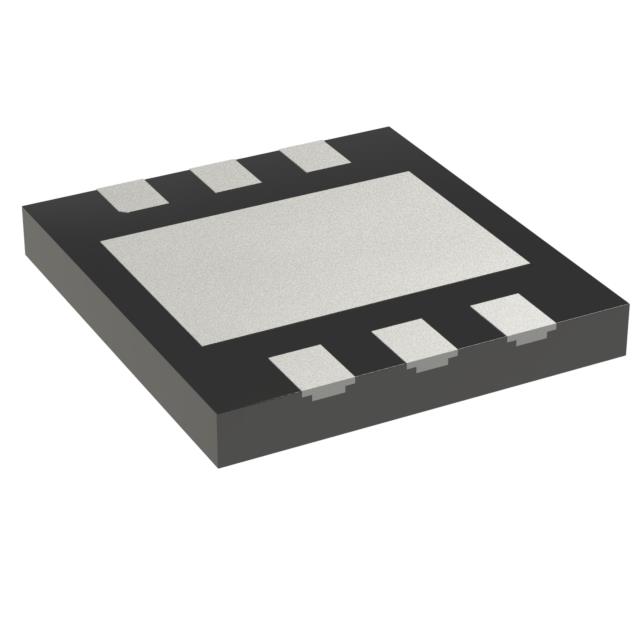
The C4H2327N110AZ is a radio frequency lateral double-diffused metal-oxide-semiconductor (LDMOS) transistor manufactured by Ampleon USA Inc. Designed for broadband applications, this device operates within the 2.3 GHz to 2.7 GHz frequency range. Key electrical specifications include a drain-source breakdown voltage of 65 V and a maximum operating temperature of +200°C. The component delivers an output power of 49.5 dBm with a gain of 33.5 dB. It utilizes a PQFN package configuration suitable for surface mount technology, ensuring efficient thermal management and integration into high-frequency circuit designs.
Verify the specific suffix designation against the manufacturer's current documentation to ensure correct packaging and tape-and-reel specifications. Confirm RoHS compliance status and moisture sensitivity level requirements prior to procurement. Cross-reference the part number with official distributor catalogs to validate availability and lead times. Ensure storage conditions meet humidity sensitivity standards to prevent damage before soldering.
Select this component when designing circuits requiring stable performance across the 2.3 to 2.7 GHz band. Evaluate thermal resistance parameters to determine appropriate heatsinking solutions given the high power density. Compare gain and linearity metrics against system requirements to ensure adequate signal amplification. Consider the PQFN footprint dimensions during PCB layout to maintain impedance matching and minimize parasitic effects.
This part belongs to Ampleon's portfolio of RF power transistors engineered for telecommunications infrastructure. The C4 series typically denotes specific process technologies focused on reliability and efficiency in base station environments. These devices are integral to modern wireless communication systems requiring robust signal handling capabilities.
Consult official substitution guides for equivalent parts from Ampleon or other manufacturers. Verify pinout compatibility and thermal characteristics before implementing any alternative components. Ensure that any substitute meets the same electrical and mechanical specifications.
 C4H2327N110AZ
The activity of extra discounts on wholesale prices is in full swing…
Please fill in your contact information and we will send you the latest wholesale price list.