ChipApex | Global Electronic Components Supplier
SEARCH
Search Product
Search Post
— IC芯片 | 连接器 | 传感器 | 被动器件 —
Search productSearch post
— IC芯片 | 连接器 | 传感器 | 被动器件 —
Consult the customer manager about the wholesale price.
consultation hotline:86-132-6715-2157
email:[email protected]
Contact the product manager for consultation. One-stop consultation is available.
Do you want a lower wholesale price? Please send us your inquiry and we will reply immediately.
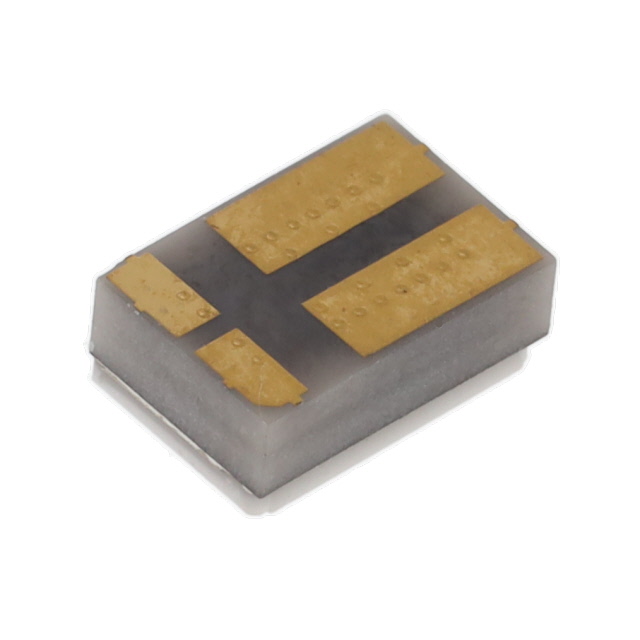
The FBG20N18BC is a Fiber Bragg Grating (FBG) sensor manufactured by EPC Space, LLC. It is designed for high-precision measurement of strain and temperature in harsh environments. The device utilizes fiber optic technology to provide immunity to electromagnetic interference and corrosion resistance. Key specifications include a central wavelength typically around 1550 nm, a narrow bandwidth for accurate signal discrimination, and a compact form factor suitable for embedding within composite materials or attaching to structural surfaces. The sensor offers high sensitivity and long-term stability, making it ideal for critical infrastructure monitoring.
Verify the specific part number suffix against official EPC Space documentation to ensure correct wavelength and packaging options. Confirm environmental ratings such as operating temperature range and humidity tolerance match your application requirements. Request calibration certificates and test reports from authorized distributors to validate performance metrics. Ensure compatibility with your existing interrogator system regarding wavelength range and sampling rate.
Select this model based on its specialized fiber optic capabilities rather than traditional electrical sensors. Consider the required measurement range and resolution when evaluating suitability. Check for any specific coating or encapsulation options available for extreme temperature or chemical exposure scenarios. Compare technical datasheets with alternative sensors to confirm superior performance in electromagnetic interference resistance and long-term drift characteristics.
EPC Space, LLC specializes in advanced fiber optic sensing solutions. The FBG series represents their core technology for distributed and point sensing applications. This component is part of a broader portfolio of optical sensors designed for industries requiring high reliability and precision. The company focuses on innovative materials and manufacturing processes to enhance sensor longevity and accuracy in demanding operational contexts.
Consult official EPC Space documentation for approved substitute part numbers. Verify that any replacement maintains identical wavelength specifications and physical dimensions. Ensure compatibility with existing mounting hardware and interrogation systems. Cross-reference technical parameters such as sensitivity coefficients and operating temperature limits before substitution.
 FBG20N18BC
The activity of extra discounts on wholesale prices is in full swing…
Please fill in your contact information and we will send you the latest wholesale price list.