ChipApex | Global Electronic Components Supplier
SEARCH
Search Product
Search Post
— IC芯片 | 连接器 | 传感器 | 被动器件 —
Search productSearch post
— IC芯片 | 连接器 | 传感器 | 被动器件 —
Consult the customer manager about the wholesale price.
consultation hotline:86-132-6715-2157
email:[email protected]
Contact the product manager for consultation. One-stop consultation is available.
Do you want a lower wholesale price? Please send us your inquiry and we will reply immediately.
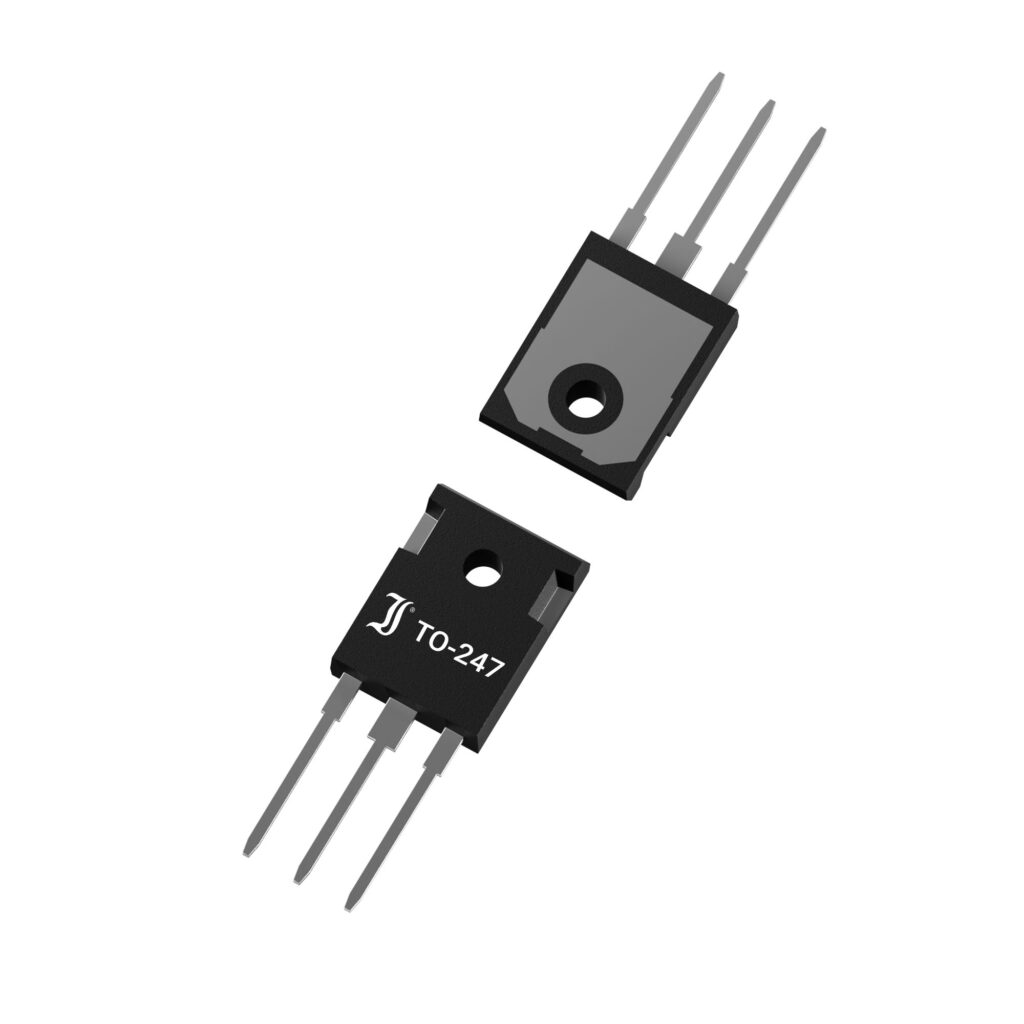
The IXYA20N120C3HV is a single N-channel Insulated Gate Bipolar Transistor (IGBT) manufactured by IXYS. It utilizes Silicon technology and is housed in a TO-263HV-3 surface-mount package. The device features a maximum collector-emitter voltage (VCEO) of 1.2 kV and a continuous collector current (Ic) of 80 A at 25°C. Its collector-emitter saturation voltage is specified at 2.7 V, with a power dissipation rating of 180 W. The component operates within a temperature range from -55°C to +150°C and carries the GenX3 trademark.
Verify the specific suffix 'C3' against official datasheets to confirm pinout and thermal characteristics, as variations exist within the IXYA series. Ensure the ordering quantity aligns with the manufacturer's standard tube packaging configuration. Cross-reference the RoHS compliance status directly with the latest documentation provided by IXYS or Littelfuse prior to final procurement decisions.
Select this component when a 1200V blocking capability and approximately 80A continuous current are required in a compact SMD form factor. The TO-263HV-3 package offers a balance between thermal performance and board space efficiency. Consider the 2.7V saturation voltage for conduction loss calculations in medium-frequency switching applications where moderate switching speeds are acceptable.
This part belongs to the IXYS IXYA series of high-voltage IGBTs, specifically utilizing the GenX3 platform. It is distinct from the IXGA series which may feature different saturation voltages or packaging options like D2PAK. The IXYA line is generally targeted at industrial and consumer power conversion applications requiring robust high-voltage switching capabilities in surface-mount configurations.
Direct replacements should be sought within the IXYS IXYA20N120 family, such as the IXYA20N120B4HV, ensuring package compatibility and electrical parameter alignment. Verify that any substitute maintains the same 1.2kV rating and similar Vce(sat) values to preserve circuit performance without redesigning the thermal management system.
 IXYA20N120C3HV
The activity of extra discounts on wholesale prices is in full swing…
Please fill in your contact information and we will send you the latest wholesale price list.