 ChipApex | Global Electronic Components Supplier
SEARCH
Search Product
Search Post
— IC芯片 | 连接器 | 传感器 | 被动器件 —
Search productSearch post
— IC芯片 | 连接器 | 传感器 | 被动器件 —
Consult the customer manager about the wholesale price.
consultation hotline:86-132-6715-2157
email:[email protected]
Contact the product manager for consultation. One-stop consultation is available.
Do you want a lower wholesale price? Please send us your inquiry and we will reply immediately.
The MMBFJ310 is an N-channel RF amplifier JFET manufactured by onsemi, originally from Fairchild Semiconductor. It is housed in a SOT-23 (TO-236) surface-mount package with three leads. The device features a drain-gate voltage rating of 25 V and a gate-source breakdown voltage of -25 V. Electrical characteristics include a zero-gate voltage drain current (IDSS) ranging from 24 mA to 60 mA at VDS = 10 V. Small-signal performance at 100 MHz includes a common-gate power gain of 16 dB and a forward transconductance of 12 mmhos. The component operates within a junction temperature range of -55°C to 150°C.
Verify the specific ordering suffix when sourcing this component, as legacy Fairchild part numbers may have been updated to align with ON Semiconductor nomenclature standards. Confirm that the received device matches the required electrical parameters, particularly the IDSS range, as variations exist between similar models in the series. Ensure compliance with RoHS directives if applicable to the target market requirements.
Select the MMBFJ310 over the MMBFJ309 based on the required drain current specifications, as the MMBFJ310 offers a higher IDSS range of 24 mA to 60 mA compared to the MMBFJ309's 12 mA to 30 mA. Both devices share identical voltage ratings and package types. Consider the interchangeable source and drain pins when designing the PCB layout to simplify routing or accommodate existing footprints.
This component belongs to the MMBFJ309/310 family of N-channel RF amplifier JFETs. It was originally produced by Fairchild Semiconductor before the company's integration into ON Semiconductor. The datasheet indicates that Fairchild orderable part numbers were updated to remove underscores to meet system requirements, resulting in the dash-separated naming convention used today.
The MMBFJ309 is a direct sibling part within the same datasheet offering lower drain current characteristics. Other N-channel JFETs in the SOT-23 package may serve as functional replacements if pin compatibility and electrical limits are verified against the application requirements.
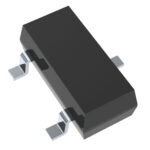 MMBFJ310
The activity of extra discounts on wholesale prices is in full swing…
Please fill in your contact information and we will send you the latest wholesale price list.





