ChipApex | Global Electronic Components Supplier
SEARCH
Search Product
Search Post
— IC芯片 | 连接器 | 传感器 | 被动器件 —
Search productSearch post
— IC芯片 | 连接器 | 传感器 | 被动器件 —
Consult the customer manager about the wholesale price.
consultation hotline:86-132-6715-2157
email:[email protected]
Contact the product manager for consultation. One-stop consultation is available.
Do you want a lower wholesale price? Please send us your inquiry and we will reply immediately.
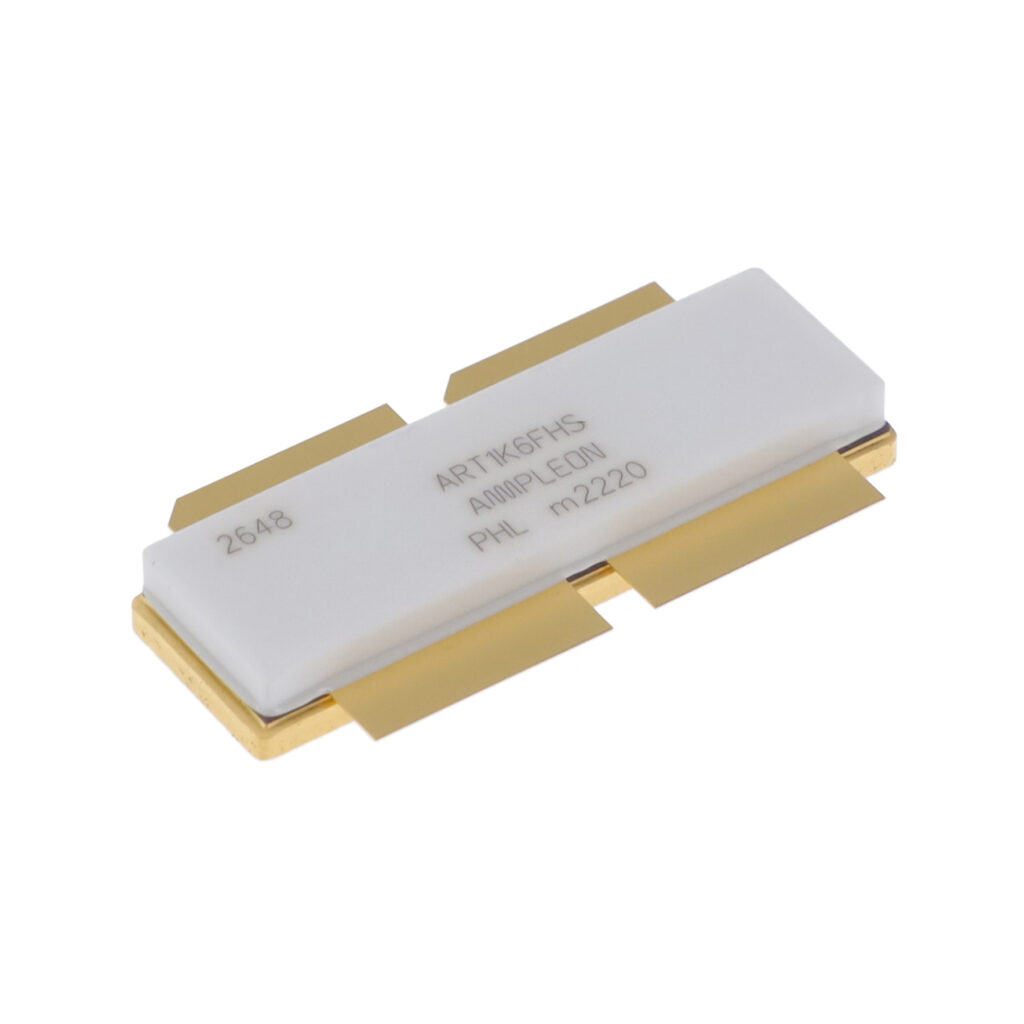
The BLC10G27XS-551AVTZ is a 400 W RF MOSFET transistor manufactured by Ampleon USA Inc. It operates at a frequency of 27 MHz with a drain-source voltage (Vds) of 65 V and a continuous drain current (Id) of 80 A. The device features a typical on-resistance (Rds(on)) of 3.5 mΩ and provides a gain of 14 dB. Designed for robust performance, it functions within a temperature range of -40°C to +100°C. The component utilizes a surface-mount package suitable for high-power radio frequency applications requiring efficient thermal management and stable electrical characteristics under demanding conditions.
Verify the specific ordering suffix against the manufacturer's official datasheet to ensure correct pinout and thermal pad configuration. Confirm RoHS compliance status through the latest product release notes. Cross-reference the part number with authorized distributors to validate authenticity and traceability. Check for any recent engineering change notices that may affect mechanical dimensions or electrical parameters before finalizing procurement orders.
Select this component based on its 400 W power rating and 27 MHz operating frequency suitability for specific industrial loads. Evaluate thermal resistance requirements against the system's cooling capabilities given the 80 A current handling. Ensure the 65 V drain-source voltage aligns with the circuit's maximum operational limits. Consider the surface-mount package type for compatibility with existing PCB layouts and assembly processes.
This RF MOSFET belongs to Ampleon's high-power transistor portfolio designed for industrial applications. It complements other devices in the series offering varying power levels and frequencies. The technology leverages advanced silicon MOSFET processes to deliver high gain and efficiency. It serves as a critical active element in RF power amplifiers used for material processing and plasma generation technologies.
Consult the official replacement guide for direct equivalents. Verify pin-to-pin compatibility and electrical parameter overlaps. Ensure thermal interface materials are compatible with alternative packages. Review application notes for any circuit adjustments required when substituting with different manufacturers' components.
 BLC10G27XS-551AVTZ
The activity of extra discounts on wholesale prices is in full swing…
Please fill in your contact information and we will send you the latest wholesale price list.