ChipApex | Global Electronic Components Supplier
SEARCH
Search Product
Search Post
— IC芯片 | 连接器 | 传感器 | 被动器件 —
Search productSearch post
— IC芯片 | 连接器 | 传感器 | 被动器件 —
Consult the customer manager about the wholesale price.
consultation hotline:86-132-6715-2157
email:[email protected]
Contact the product manager for consultation. One-stop consultation is available.
Do you want a lower wholesale price? Please send us your inquiry and we will reply immediately.
The BLF6G20LS-110 is a power LDMOS transistor designed for base station applications in the 1800 MHz to 2000 MHz frequency range. It features an earless flanged ceramic package (SOT502B) with two leads and a connected flange. The device operates at a drain-source voltage of 28 V, delivering an average output power of 25 W in 2-carrier W-CDMA mode with a power gain of 19 dB and drain efficiency of 32%. Maximum ratings include a drain-source voltage of 65 V, gate-source voltage of +13 V, and a junction temperature limit of 225 °C. Thermal resistance from junction to case is 0.45 K/W.
Verify the specific ordering suffix against official Ampleon documentation to ensure correct package variant selection. Confirm RoHS compliance status as per the latest product data sheet revision. Check current production status directly with the manufacturer or authorized distributors, as component availability may change over time. Ensure proper ESD handling procedures are followed during transport and assembly due to device sensitivity.
Select the BLF6G20LS-110 for broadband RF power amplifier designs operating between 1800 MHz and 2000 MHz. Consider the SOT502B earless flanged package for mounting requirements. Evaluate thermal management needs based on the 0.45 K/W junction-to-case thermal resistance. Verify compatibility with 28 V supply systems and Class-AB biasing conditions for optimal linearity and efficiency performance in multi-carrier environments.
The BLF6G20LS-110 belongs to the BLF6G20 series of power LDMOS transistors manufactured by Ampleon USA Inc. This series includes variants such as the BLF6G20-110, which differs primarily in package configuration. The LS designation indicates the earless flanged version. These components are engineered specifically for high-efficiency, linear amplification in cellular infrastructure equipment.
The BLF6G20-110 serves as a direct functional alternative within the same family, differing only in package type (flanged vs. earless flanged). Cross-referencing pinout configurations and mechanical dimensions is essential when substituting packages. Verify that any replacement maintains identical electrical characteristics and thermal properties for the target application.

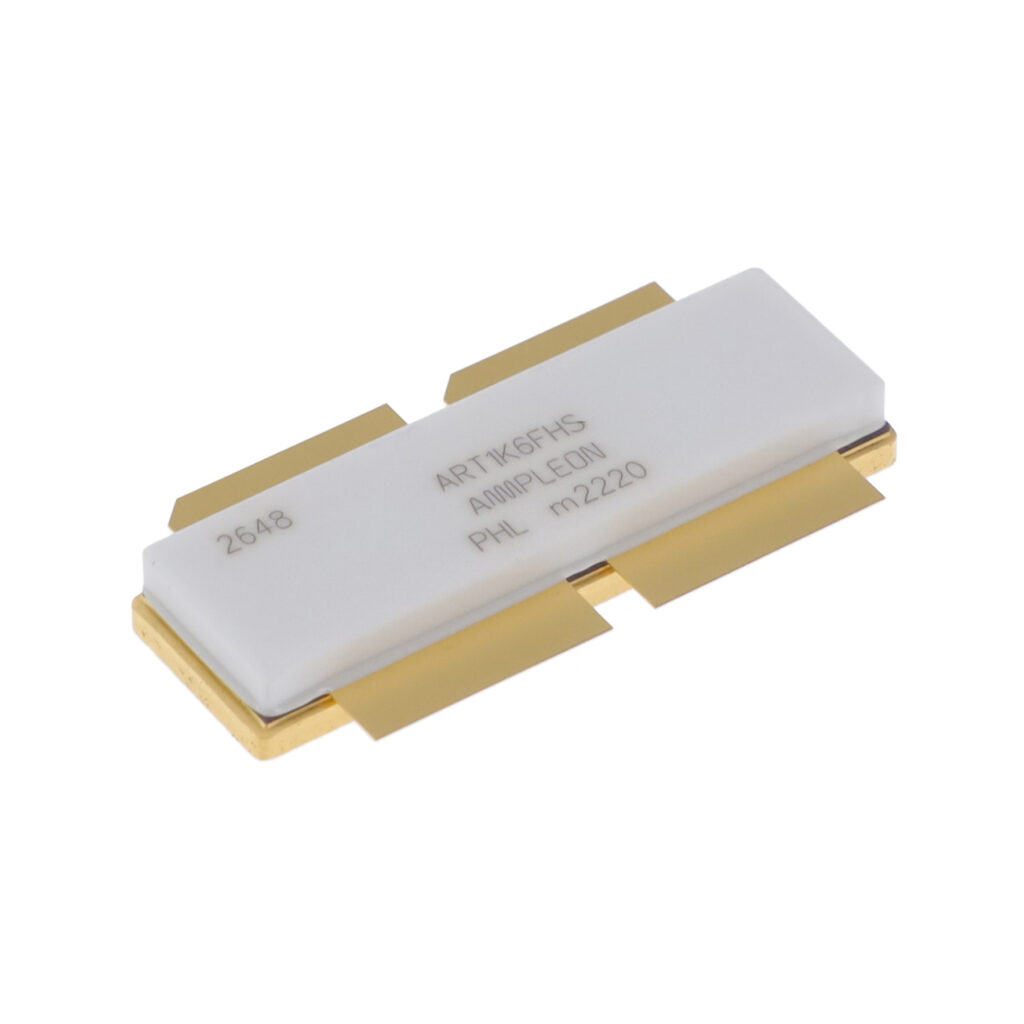

 BLF6G20LS-110,112
The activity of extra discounts on wholesale prices is in full swing…
Please fill in your contact information and we will send you the latest wholesale price list.