ChipApex | Global Electronic Components Supplier
SEARCH
Search Product
Search Post
— IC芯片 | 连接器 | 传感器 | 被动器件 —
Search productSearch post
— IC芯片 | 连接器 | 传感器 | 被动器件 —
Consult the customer manager about the wholesale price.
consultation hotline:86-132-6715-2157
email:[email protected]
Contact the product manager for consultation. One-stop consultation is available.
Do you want a lower wholesale price? Please send us your inquiry and we will reply immediately.
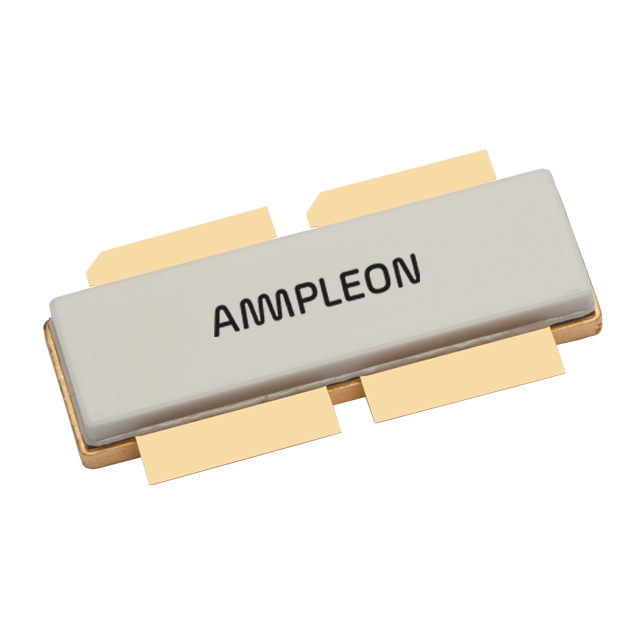
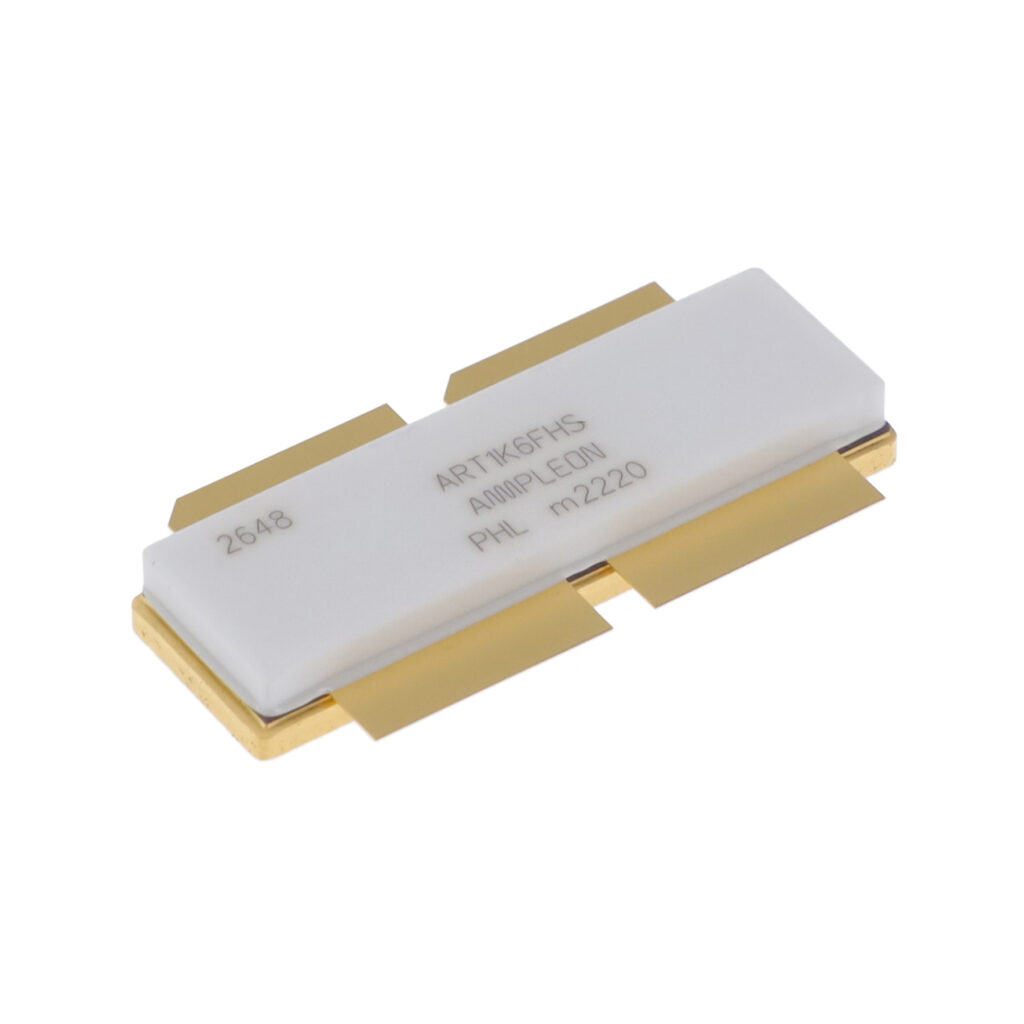
The BLF879PS,112 is a 500 W LDMOS RF power transistor designed for broadcast and industrial applications. It operates in the UHF band from 470 MHz to 860 MHz with internal input matching. The device features excellent ruggedness, capable of withstanding a VSWR of 40:1 at 860 MHz under rated power conditions. Key electrical parameters include a drain-source voltage limit of 104 V, a thermal resistance (junction-to-case) of 0.15 K/W, and a typical power gain of 21 dB at 860 MHz. In DVB-T operation at 858 MHz, it delivers an average output power of 95 W with a drain efficiency of 33%.
Verify the specific ordering suffix against the manufacturer's current catalog to ensure package compatibility. Confirm that the component status remains active or qualified for production before initiating design-in processes. Cross-reference the datasheet revision date to ensure all latest electrical characteristics and handling precautions are accounted for in the final schematic and layout specifications.
Select this component for designs requiring high power density in the 470 MHz to 860 MHz range. Ensure the PCB layout accommodates the SOT539B earless flanged ceramic package dimensions. Verify that the cooling solution can maintain the case temperature within limits to support the specified 0.15 K/W thermal resistance. Check impedance data for push-pull configurations if higher power levels are required.
This part belongs to the Ampleon BLF879 series of UHF power LDMOS transistors. The BLF879PS variant specifically utilizes the SOT539B package, which is an earless flanged balanced ceramic package with four leads. This distinguishes it from the BLF879P, which uses the SOT539A package with mounting holes. Both variants share identical electrical performance profiles.
The BLF879P is the direct functional equivalent using the SOT539A package. Substitution requires verifying mechanical fit due to the presence of mounting holes on the SOT539A versus the earless design of the SOT539B. Electrical parameters remain consistent between the two package versions.
 BLF879PS,112
The activity of extra discounts on wholesale prices is in full swing…
Please fill in your contact information and we will send you the latest wholesale price list.