ChipApex | Global Electronic Components Supplier
SEARCH
Search Product
Search Post
— IC芯片 | 连接器 | 传感器 | 被动器件 —
Search productSearch post
— IC芯片 | 连接器 | 传感器 | 被动器件 —
Consult the customer manager about the wholesale price.
consultation hotline:86-132-6715-2157
email:[email protected]
Contact the product manager for consultation. One-stop consultation is available.
Do you want a lower wholesale price? Please send us your inquiry and we will reply immediately.
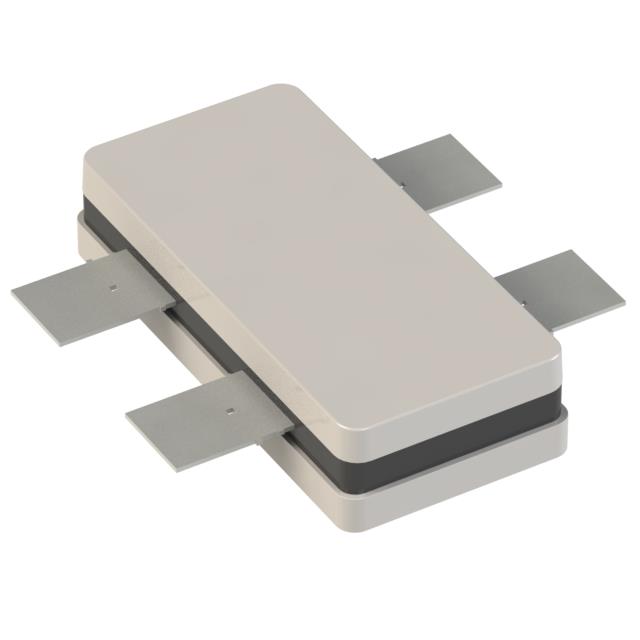
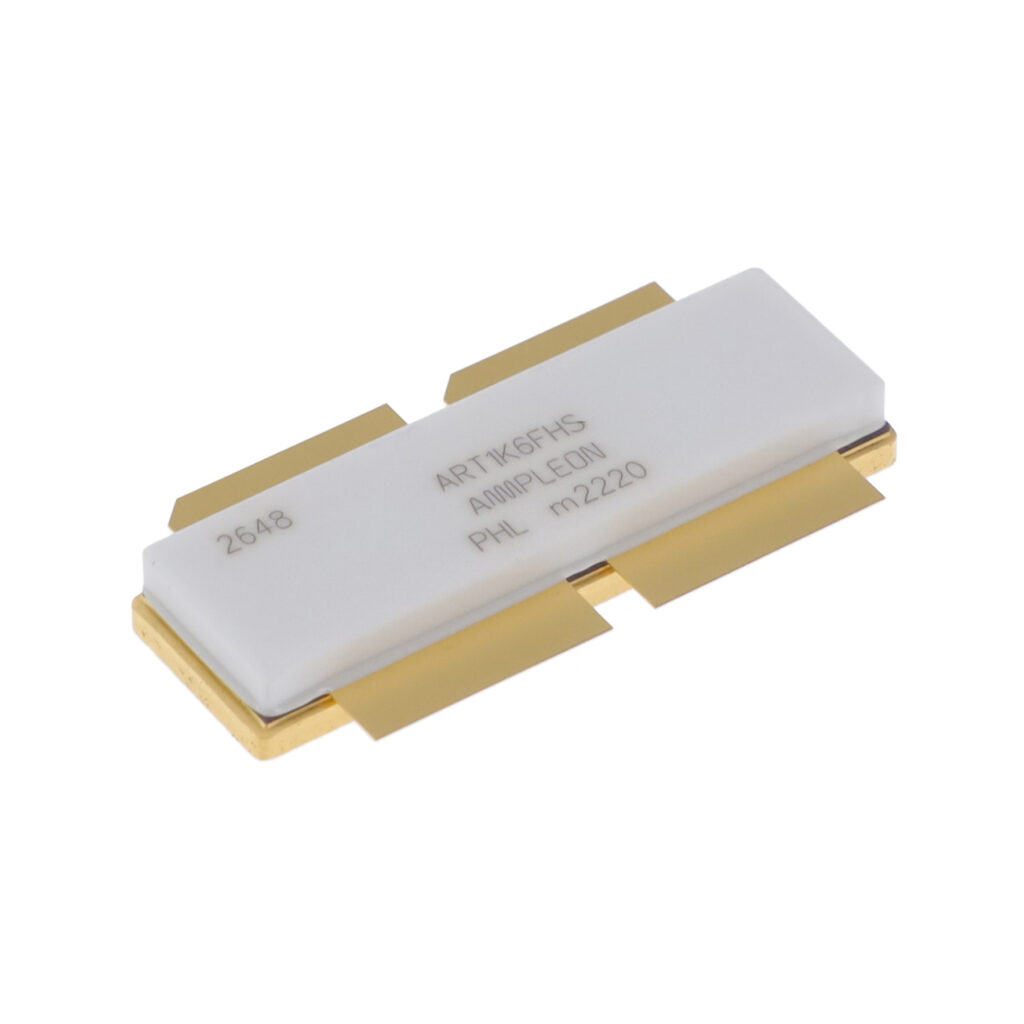
The C4H18W500AZ is a high-power RF LDMOS transistor manufactured by Ampleon USA Inc., designed for demanding broadband applications. It operates within the frequency range of 1710 MHz to 2170 MHz, delivering a typical output power of 500 W with a gain of approximately 19 dB at 1900 MHz under standard test conditions. The device features a robust 36 V drain voltage capability and utilizes a lead-free ceramic package optimized for thermal dissipation. Key electrical parameters include a maximum drain current of 18 A and a power-added efficiency (PAE) exceeding 55% in Class AB operation. This component is engineered for reliability in high-volume production environments requiring consistent performance across wide bandwidths.
Verify the specific suffix code against the manufacturer's official datasheet to confirm pinout compatibility and thermal specifications. Ensure that the supplier provides traceability documentation for the ceramic package integrity. Cross-reference the lot date code with current manufacturing updates to avoid obsolete revisions. Confirm RoHS compliance status through official certification documents rather than distributor claims alone.
Select this component when designing amplifiers requiring stable 500 W output across wide bandwidths without retuning. Evaluate thermal management requirements carefully due to high power dissipation characteristics. Compare gain flatness specifications against system linearity requirements. Consider the package footprint constraints relative to existing PCB layouts for seamless integration into modular transmitter architectures.
This part belongs to Ampleon's C4H series of LDMOS transistors, which are widely used in telecommunications infrastructure. The series is known for balancing high output power with efficient thermal performance. It serves as a critical active element in modern base station architectures, replacing older discrete technologies with integrated solutions that offer improved reliability and reduced assembly complexity.
Direct replacements must match the 500 W power class and 36 V rating. Verify pin-to-pin compatibility if substituting with equivalent models from other manufacturers. Check for any functional differences in biasing requirements or stability margins before implementation.
 C4H18W500AZ
The activity of extra discounts on wholesale prices is in full swing…
Please fill in your contact information and we will send you the latest wholesale price list.