ChipApex | Global Electronic Components Supplier

SEARCH
Search Product
Search Post
— IC芯片 | 连接器 | 传感器 | 被动器件 —
Search productSearch post
— IC芯片 | 连接器 | 传感器 | 被动器件 —
Consult the customer manager about the wholesale price.
consultation hotline:86-132-6715-2157
email:[email protected]
Contact the product manager for consultation. One-stop consultation is available.
Do you want a lower wholesale price? Please send us your inquiry and we will reply immediately.
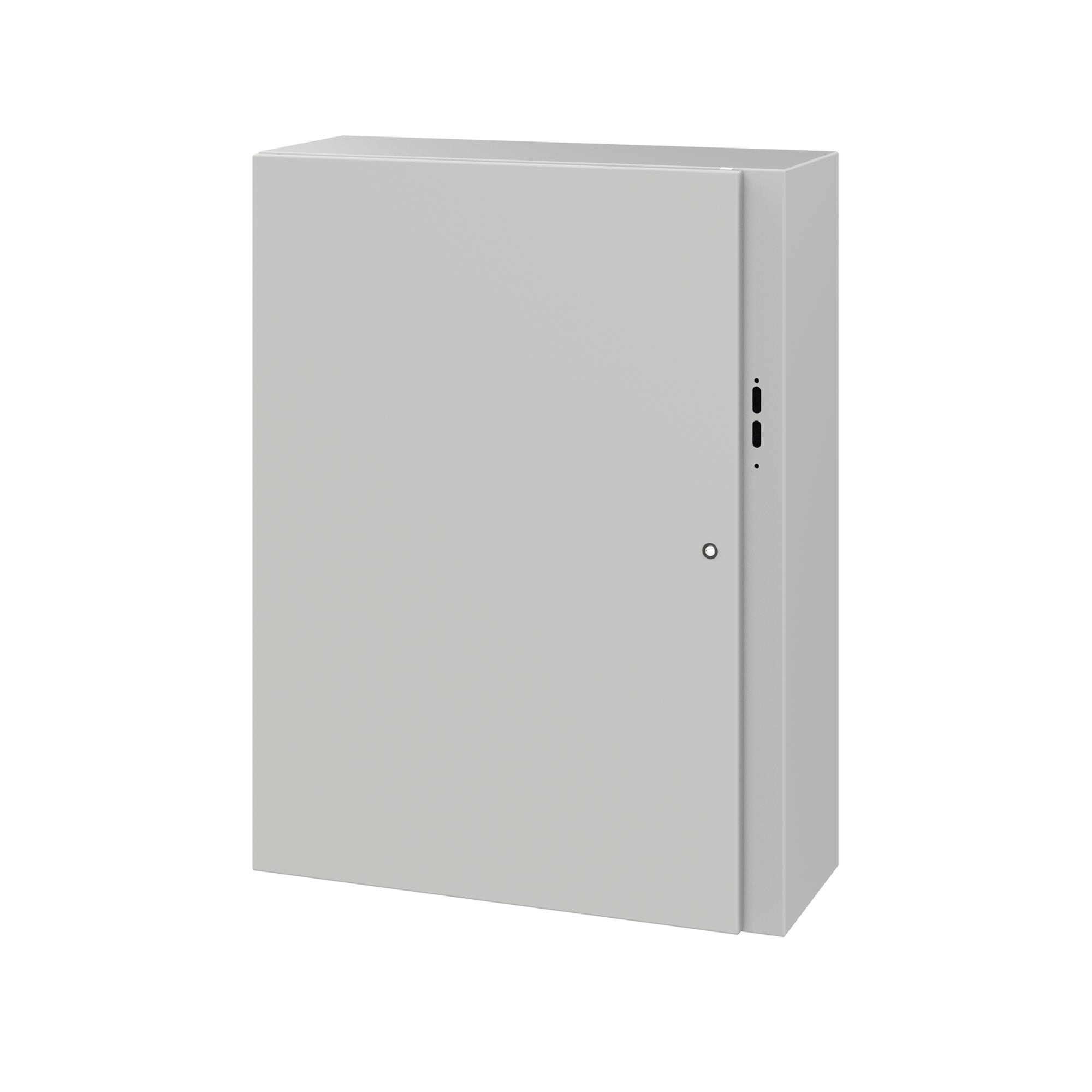
The Hoffman CDSC423212LG is a polycarbonate enclosure designed for industrial environments. It features a transparent lid for visual inspection of internal components and a gray body for structural support. The unit measures 23 inches in height, 32 inches in width, and 12 inches in depth. It includes a gasketed door seal to protect against dust and moisture ingress. The construction utilizes durable materials suitable for harsh conditions.
Verify exact dimensional tolerances and mounting hole patterns against specific installation requirements before procurement. Confirm material certifications if required by your facility's safety standards. Ensure compatibility with existing DIN rail or panel mount configurations. Check for any regional compliance markings necessary for your operational jurisdiction.
Select this model when visual inspection capability is critical alongside standard environmental protection. Consider the polycarbonate material properties regarding UV resistance and temperature ranges relative to the installation site. Evaluate whether the fixed dimensions accommodate all planned components with adequate clearance for heat dissipation and wiring.
This component belongs to Hoffman's line of polycarbonate enclosures, which are engineered for general-purpose industrial applications. The series emphasizes durability and visibility, offering a balance between protective housing and operational transparency. These units are commonly used where internal status monitoring is essential without compromising environmental sealing integrity.
Direct substitutes may include other polycarbonate enclosures from Hoffman with similar dimensions and lid configurations. Verify that alternative models maintain equivalent IP ratings and material specifications. Cross-reference mounting hole positions to ensure compatibility with existing infrastructure without modification.
The enclosure body is constructed from gray polycarbonate, providing high impact resistance.
Standard models typically feature a cam-lock or quarter-turn fastener system on the door; verify specific hardware inclusion in the detailed product specification sheet.
 CDSC423212LG

Compare RC, crystal and MEMS oscillator circuits. Check ppm, jitter, load capacitance, startup margin and output compatibility before choosing a clock source.
Read More
ChipApex – May 8, 2026 Texas Instruments (TI), the global leader in analog and embedded semiconductors, has officially notified customers of an upcoming company-wide…
Read More
Embedded Integrated Circuit Modules: The Backbone of Modern Technology Embedded Integrated Circuit Modules (EICMs) have become an indispensable part of modern technology. Serving as…
Read More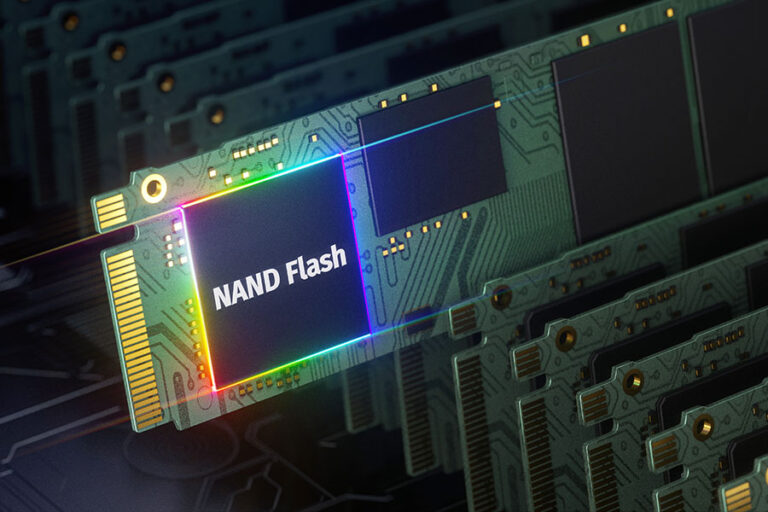
What Is NAND Flash? A Practical Guide for Engineers & Procurement Teams In today’s data-driven world—from smartphones and SSDs to industrial IoT devices—NAND flash…
Read More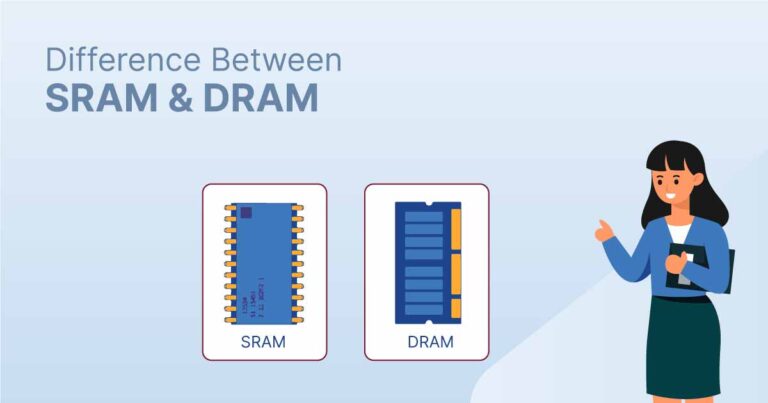
In an era dominated by AI accelerators with terabytes of HBM memory and consumer devices racing toward LPDDR5X bandwidth, it’s easy to wonder: why…
Read More
Learn what data acquisition means, from sensors and conditioning to sampling and storage. Review channel timing, wiring, calibration and data quality.
Read More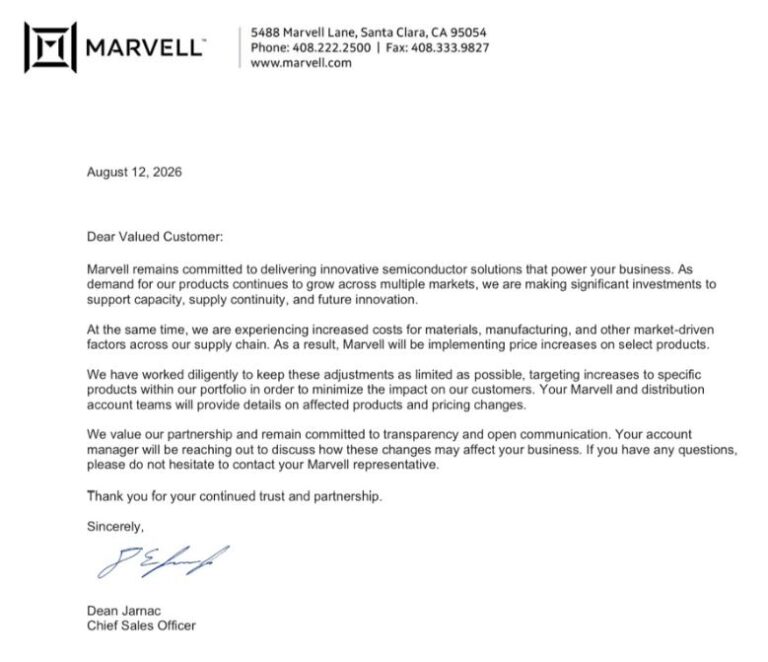
SANTA CLARA, Calif. — Leading semiconductor solution provider Marvell Technology (NASDAQ: MRVL) officially rolled out a selective price adjustment for its core electronic component…
Read More
Understand load cell sensor output, bridge wiring and calibration. Learn how mV/V sensitivity, mechanics and ADC noise affect measurement accuracy.
Read More
Choose an ADC converter by resolution, sample rate, noise and input design. Review practical tradeoffs and prepare component requirements for ChipApex.
Read More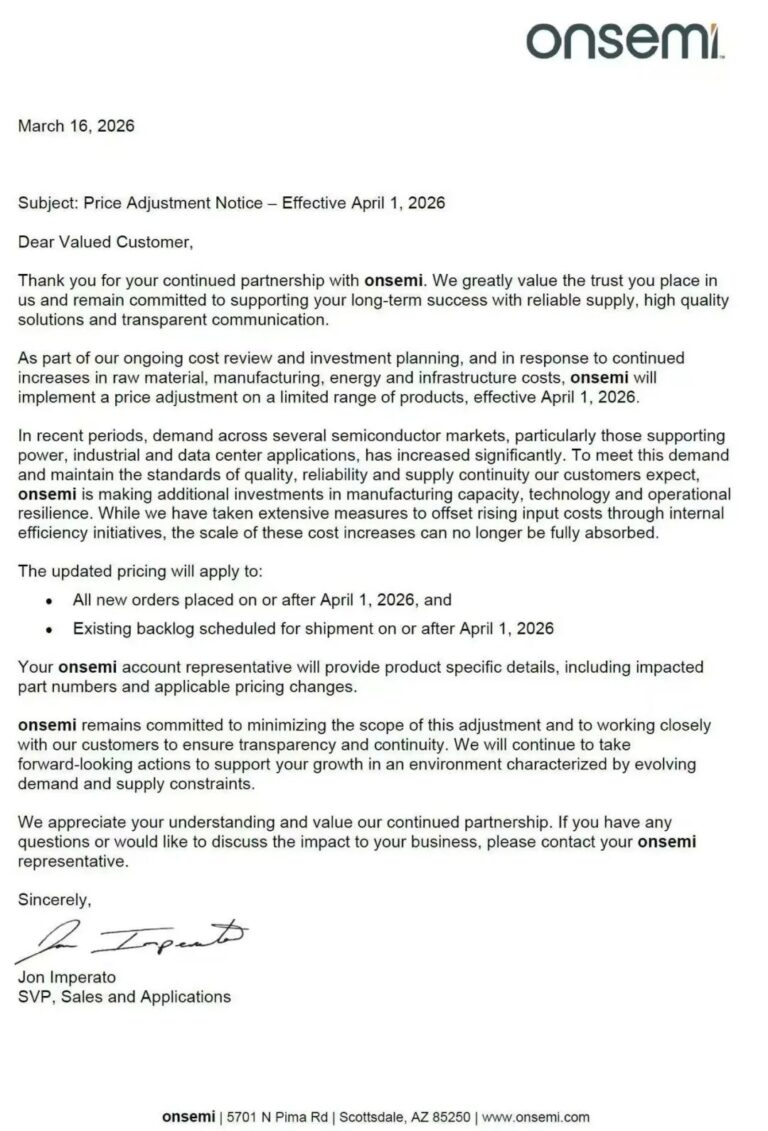
ON Semiconductor (onsemi), a global leader in intelligent power and sensing technologies, has announced plans to implement price adjustments for select product lines, effective…
Read More
Understand voltage controlled oscillator tuning, phase noise and PLL operation. Check supply noise, output loading and requirements before selection.
Read More
Learn why PTC resistance rises with temperature, how it differs from NTC, and which ratings matter for sensing and protection.
Read More
The activity of extra discounts on wholesale prices is in full swing…
Please fill in your contact information and we will send you the latest wholesale price list.