ChipApex | Global Electronic Components Supplier
SEARCH
Search Product
Search Post
— IC芯片 | 连接器 | 传感器 | 被动器件 —
Search productSearch post
— IC芯片 | 连接器 | 传感器 | 被动器件 —
Consult the customer manager about the wholesale price.
consultation hotline:86-132-6715-2157
email:[email protected]
Contact the product manager for consultation. One-stop consultation is available.
Do you want a lower wholesale price? Please send us your inquiry and we will reply immediately.
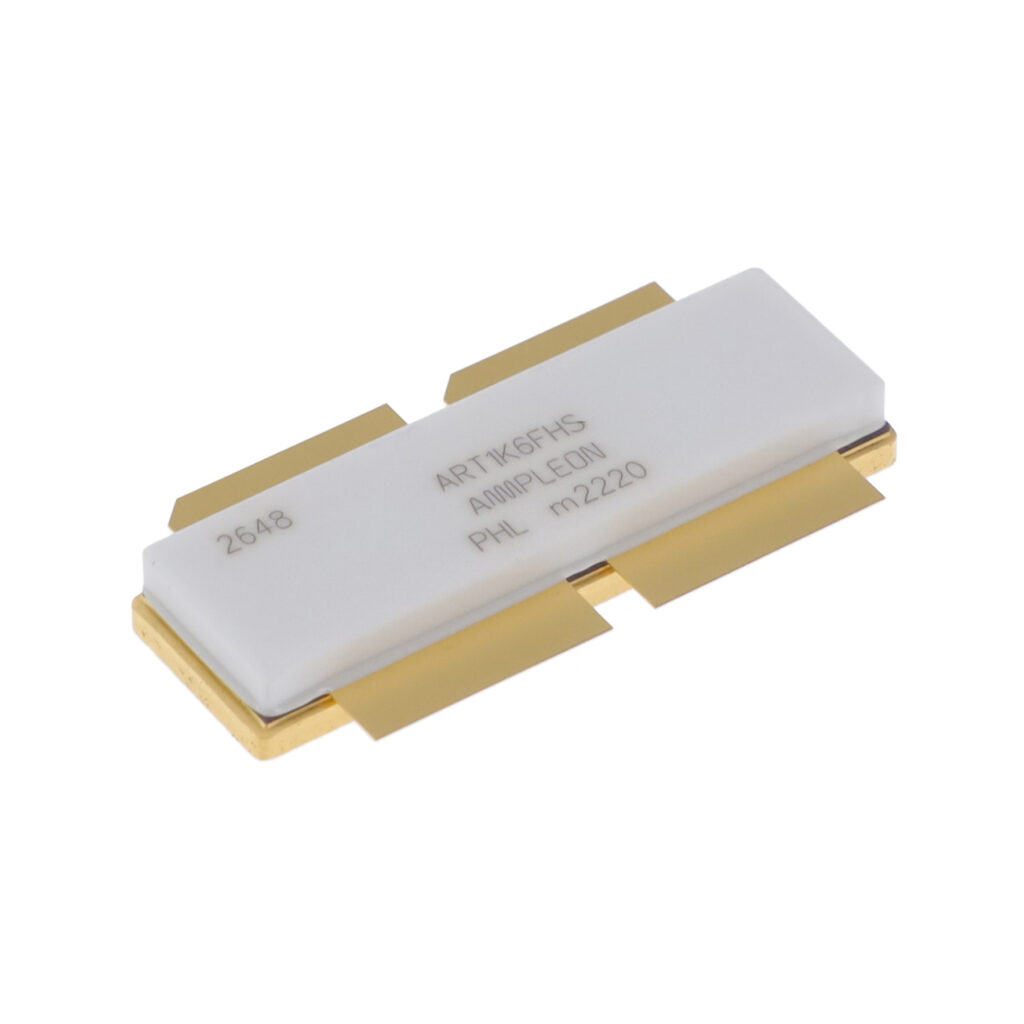
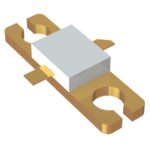
The CGH55015F2 is a gallium nitride (GaN) high electron mobility transistor (HEMT) designed for C-band applications. It operates within the 4.5 to 6.0 GHz frequency range and utilizes a screw-mount flange package (Type 440166). The device supports 28 V drain bias and delivers a typical saturated output power of 13 W with a drain efficiency of 60% at saturation. Small signal gain reaches 12 dB at 5.65 GHz. Absolute maximum ratings include a drain-source voltage of 120 V, a gate-to-source voltage range of -10 V to +2 V, and a maximum operating junction temperature of 225 °C.
Verify the specific package type required for the application, as the F2 suffix denotes the screw-mount flange configuration. Confirm that the design accommodates the thermal resistance characteristics and mounting torque specifications provided in the datasheet. Ensure that the RF circuit layout aligns with the recommended source and load impedances for optimal performance across the specified frequency band.
Select this component when designing C-band pulsed or continuous wave saturated amplifiers requiring high gain and efficiency. The device is appropriate for applications demanding robustness against output mismatch conditions. Consider the thermal management requirements associated with the screw-down flange package and ensure the system can maintain the case temperature within the specified operating limits during operation.
This part belongs to the CGH55015 series of GaN HEMTs from MACOM Technology Solutions. The series includes variants such as the CGH55015P2, which shares similar electrical characteristics but utilizes a solder-down pill package (Type 440196). Both variants are engineered for high-power C-band applications, offering designers flexibility in packaging options while maintaining consistent RF performance metrics.
The CGH55015P2 serves as a functional alternative within the same series, differing primarily in its solder-down pill package rather than electrical performance. Designers must account for the distinct mechanical mounting requirements and thermal interface differences when substituting between the flange and pill package versions.


 CGH55015F2
The activity of extra discounts on wholesale prices is in full swing…
Please fill in your contact information and we will send you the latest wholesale price list.