ChipApex | Global Electronic Components Supplier

SEARCH
Search Product
Search Post
— IC芯片 | 连接器 | 传感器 | 被动器件 —
Search productSearch post
— IC芯片 | 连接器 | 传感器 | 被动器件 —
Consult the customer manager about the wholesale price.
consultation hotline:86-132-6715-2157
email:[email protected]
Contact the product manager for consultation. One-stop consultation is available.
Do you want a lower wholesale price? Please send us your inquiry and we will reply immediately.
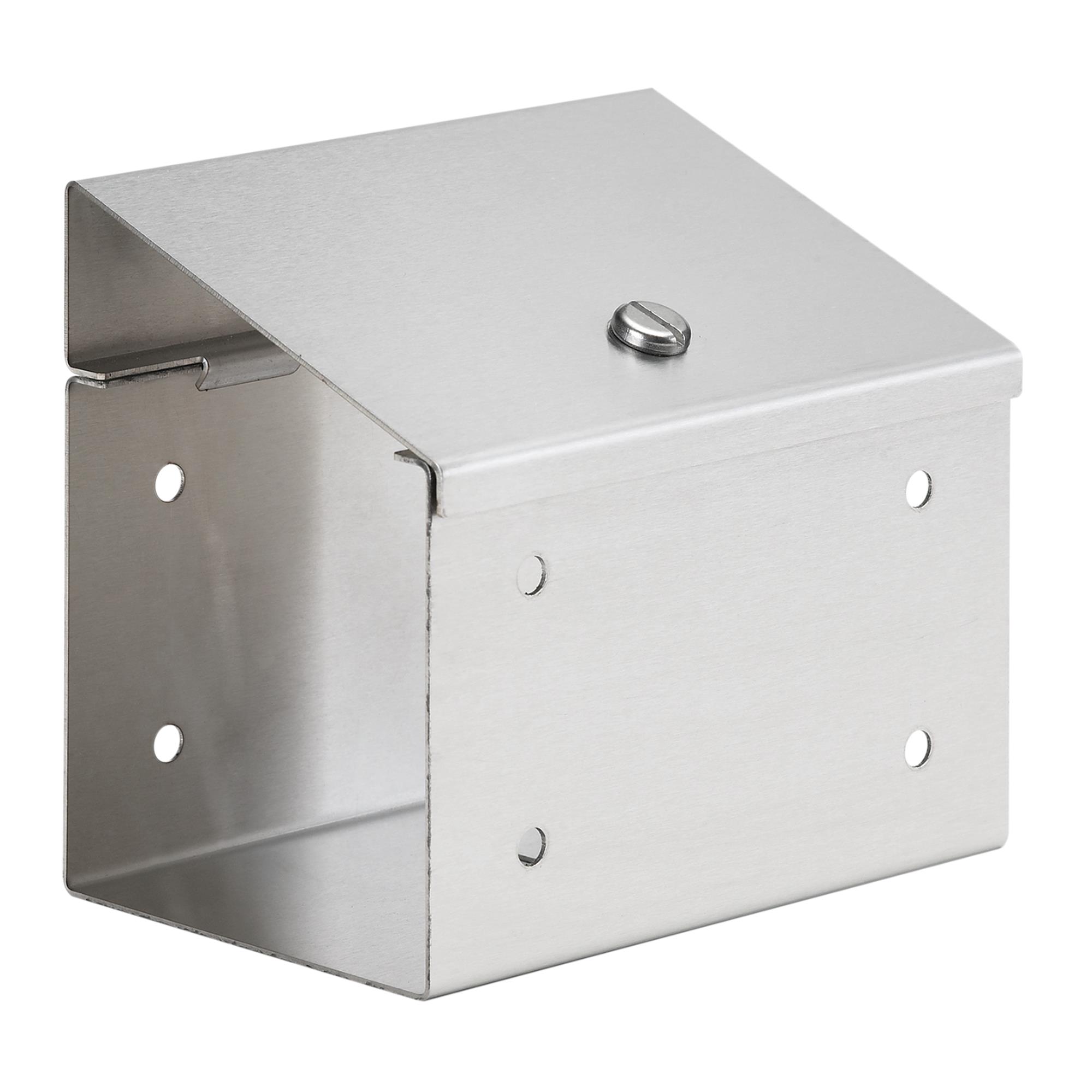
The Hoffman Enclosures CTS33PSPSS is a straight section splice designed for the CLEAN TRAY cable management system. Constructed from Type 304 stainless steel, this component features a perforated design with a sloped top surface to facilitate drainage and debris removal. It measures 3 inches in width and height, with a standard length of 6 inches. The unit utilizes 18-gauge material thickness to ensure structural integrity within indoor environments. This splice connects linear runs of the 3-inch wide tray, maintaining alignment and continuity for wire routing applications.
Verify that the required tray width matches the 3-inch specification of this splice. Confirm that the installation environment is indoor, as this model is rated for Type 1 conditions. Ensure compatibility with the specific Hoffman CLEAN TRAY series components being used in the assembly. Check that the stainless steel construction meets the project's material requirements for corrosion resistance.
Select this part when extending a straight run of 3-inch wide cable tray indoors. Choose this model over solid tops if drainage or weight reduction is necessary. Consider the Type 304 stainless steel composition for environments requiring higher durability than standard coated metals. Ensure the 18-gauge thickness aligns with the load-bearing requirements of the installed cabling.
This component belongs to the nVent Hoffman CLEAN TRAY family, which provides modular cable management solutions. The CTS33PSPSS serves as a critical interconnect piece, allowing users to build custom-length tray runs. It complements other accessories like elbows and reducers within the same 3-inch width series, ensuring a cohesive and standardized installation process for electrical wiring infrastructure.
No direct public substitute part numbers are identified for this specific Hoffman configuration. When replacing, ensure the new splice matches the 3x3 inch dimensions and Type 304 stainless steel material. Verify that the perforation pattern and slope angle remain consistent to maintain system integrity.
 CTS33PSPSS

Wilmington, Mass. & Milpitas, Calif. – May 19, 2026 – Analog Devices, Inc. (NASDAQ: ADI), a global leader in high-performance analog and mixed-signal semiconductors,…
Read More
PLANO, Texas – March 20, 2026 – Diodes Incorporated (Nasdaq: DIOD), a leading global manufacturer and supplier of high-quality application-specific standard products in the…
Read More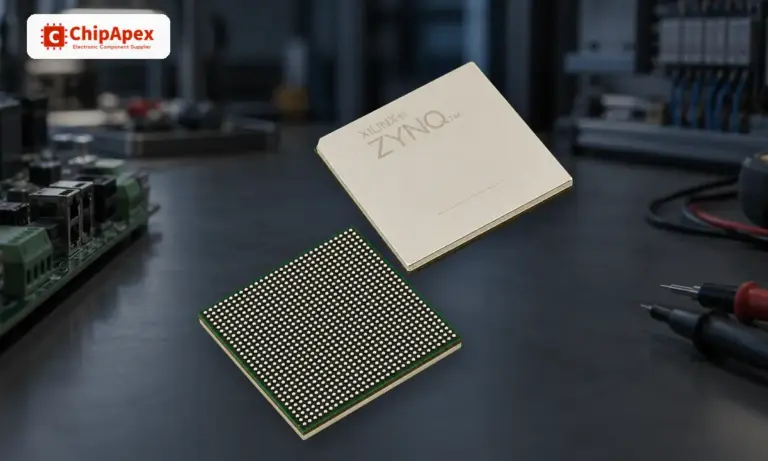
Learn what an integrated circuit is, how ICs work, the main types and the specs to check before choosing a part for your design…
Read More
In an era dominated by AI accelerators with terabytes of HBM memory and consumer devices racing toward LPDDR5X bandwidth, it’s easy to wonder: why…
Read More
SANTA CLARA, Calif. — Leading semiconductor solution provider Marvell Technology (NASDAQ: MRVL) officially rolled out a selective price adjustment for its core electronic component…
Read More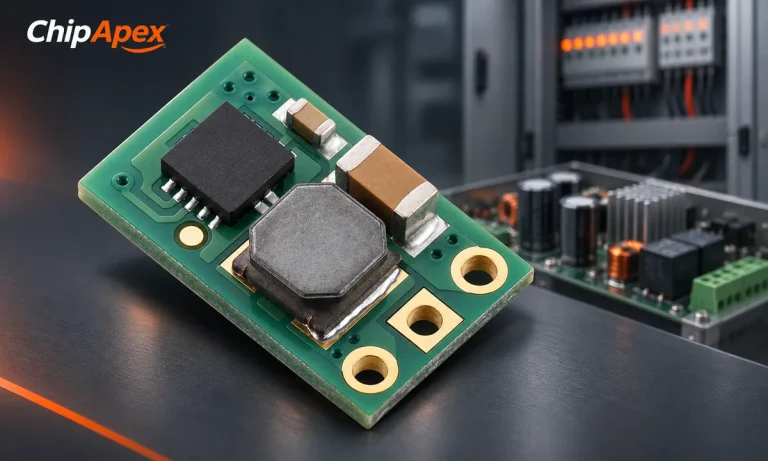
Select a DC-DC converter by input range, topology, isolation and temperature. Compare ripple, efficiency and load limits before choosing a component.
Read More
Choose a DIP switch by contact type, coded positions, footprint and signal ratings. Check logic polarity, assembly conditions and PCB configuration behavior.
Read More
Tempe, Arizona‑based semiconductor giant Microchip Technology has formally rolled out selective product price increases across its MCU, power‑management IC, memory controller and analog component…
Read More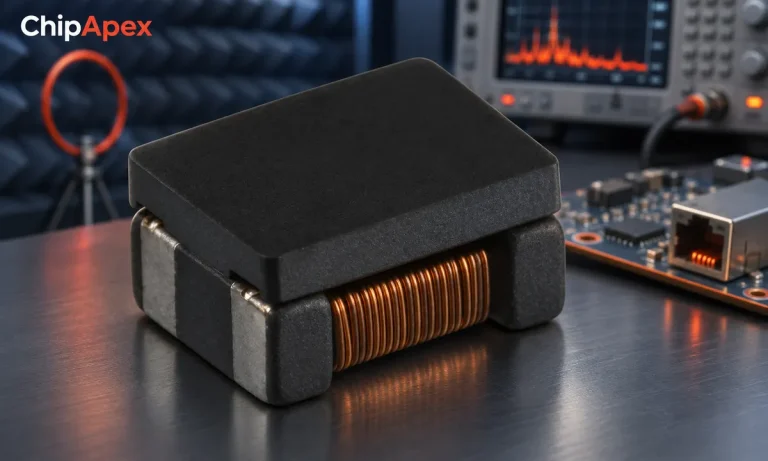
Select a common mode choke using noise frequency, current, insulation and signal integrity. Understand impedance curves, layout and filter limitations.
Read More
Selecting the right microcontroller (MCU) isn’t just about specs—it’s about balancing performance, power, cost, and supply chain reliability. As an engineer, you’ve probably faced…
Read More
September 16, 2026 – Global — Leading semiconductor manufacturer ON Semiconductor (onsemi, NASDAQ: ON) has officially issued a formal price adjustment letter to global…
Read More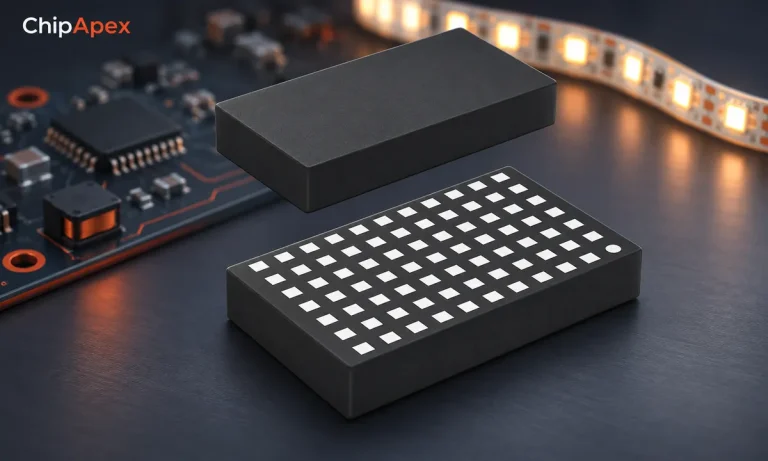
Choose LED drivers by current, string voltage, dimming and thermal limits. Understand constant-current operation and the checks needed for your load.
Read More
The activity of extra discounts on wholesale prices is in full swing…
Please fill in your contact information and we will send you the latest wholesale price list.