 ChipApex | Global Electronic Components Supplier

SEARCH
Search Product
Search Post
— IC芯片 | 连接器 | 传感器 | 被动器件 —
Search productSearch post
— IC芯片 | 连接器 | 传感器 | 被动器件 —
The trend of science and technology is changing rapidly.
An integrated circuit (IC) is a miniature electronic circuit built on a semiconductor chip. Transistors and other elements are connected on that chip to perform a defined job, such as storing data, processing signals, or controlling a device. In parts listings, “chip” often means the packaged IC you can place on a circuit board.
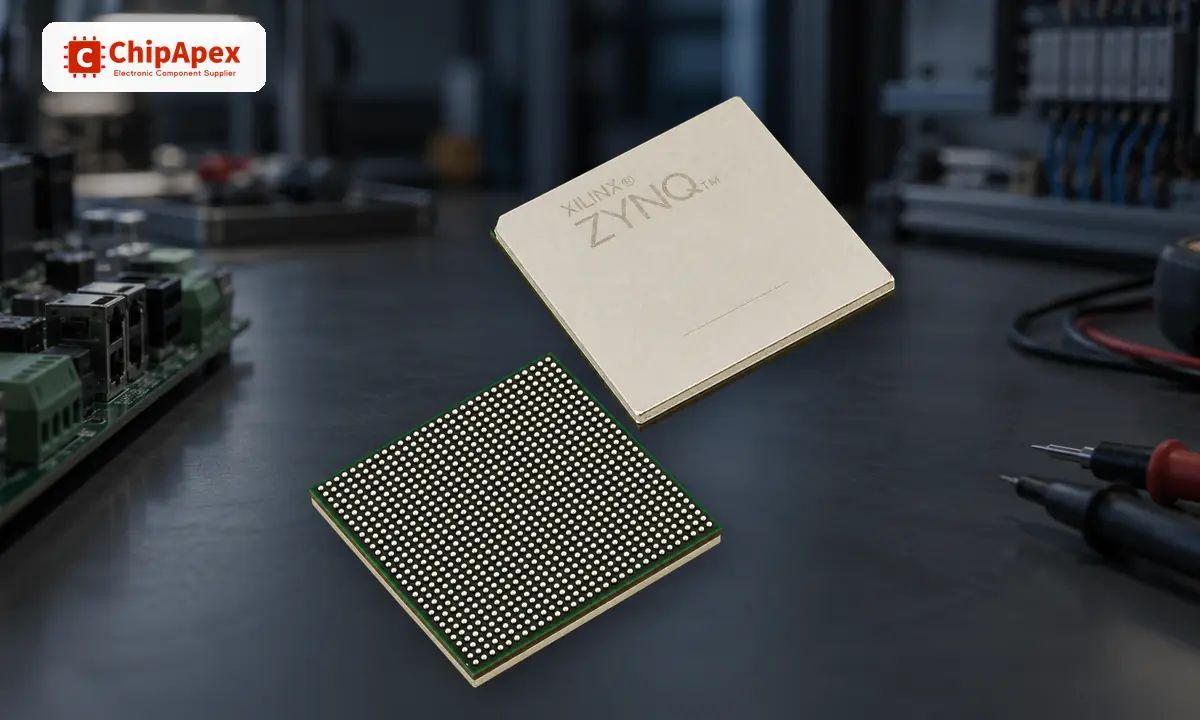
An IC combines many tiny electrical elements and the paths between them on one piece of semiconductor material, usually silicon. Its external pins or pads connect that internal circuit to a board. The package protects the die and provides electrical and thermal connections; it does not tell you what function the chip performs.
The same-looking package could hold a controller, memory, amplifier, or interface device. Read the part number and datasheet before assigning a function to a pictured package. ChipApex groups many of these devices under integrated circuits, while the electrical details belong to each specific part.
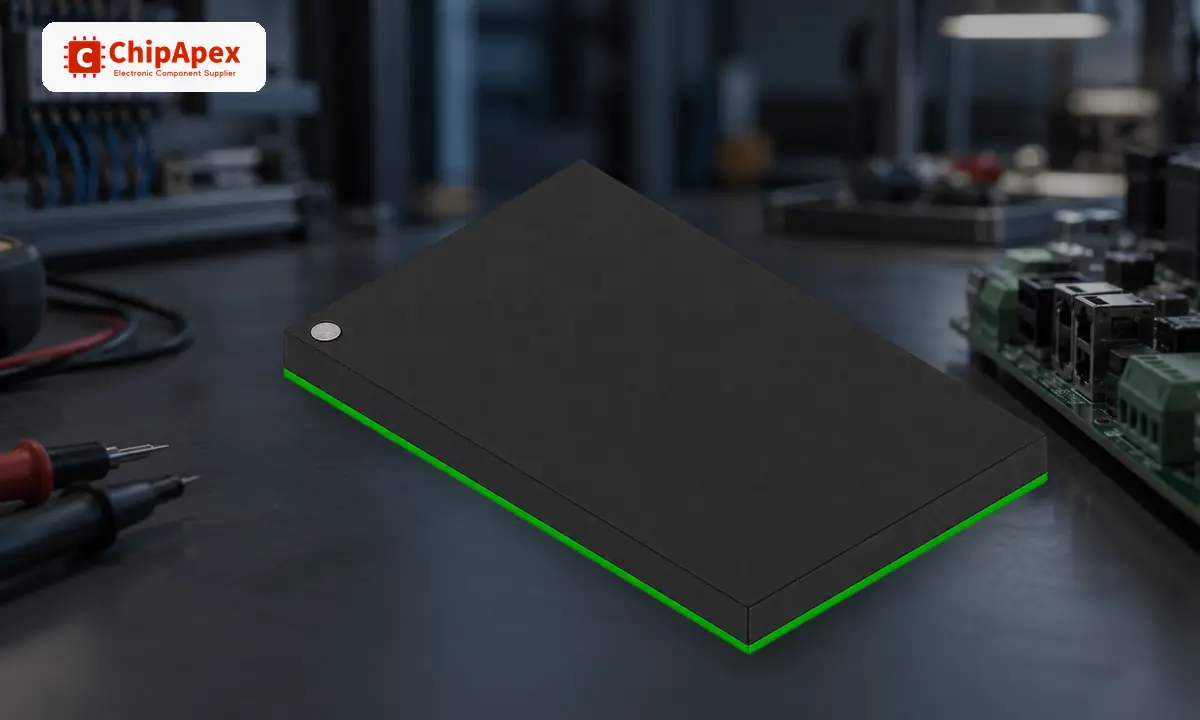
At a basic level, an IC takes electrical inputs, changes or interprets them through its internal circuitry, and produces outputs. A logic IC might combine digital states. An amplifier changes an analog signal while preserving its shape within specified limits. A controller runs instructions and communicates with other components.
The actual behavior depends on the device. Check the datasheet for supply range, pin functions, timing, input and output limits, and the recommended application circuit. An IC cannot be substituted simply because its package and pin count look similar. Bosch's IC overview explains how the circuit elements are integrated on one chip.
Digital ICs work with defined logic states and include processors, logic devices, and microcontrollers. Analog ICs handle continuously varying signals; amplifiers, voltage references, and power-management devices are examples. Mixed-signal ICs bring analog and digital functions together, as an adc converter does when it turns an analog input into digital data.
Storage is another common function. A memory ic may retain program code, configuration, or temporary working data, depending on its technology. These are functional groups, not interchangeable product classes: a board can use several types at once.
“IC” describes the integrated electronic circuit. “Chip” is a less precise everyday term that can mean the bare die or the packaged component. A microcontroller is a particular kind of IC: it contains a processor and on-chip resources for running embedded software. If you need a controller, searching every IC package by appearance will waste time; begin with the required function and interface.
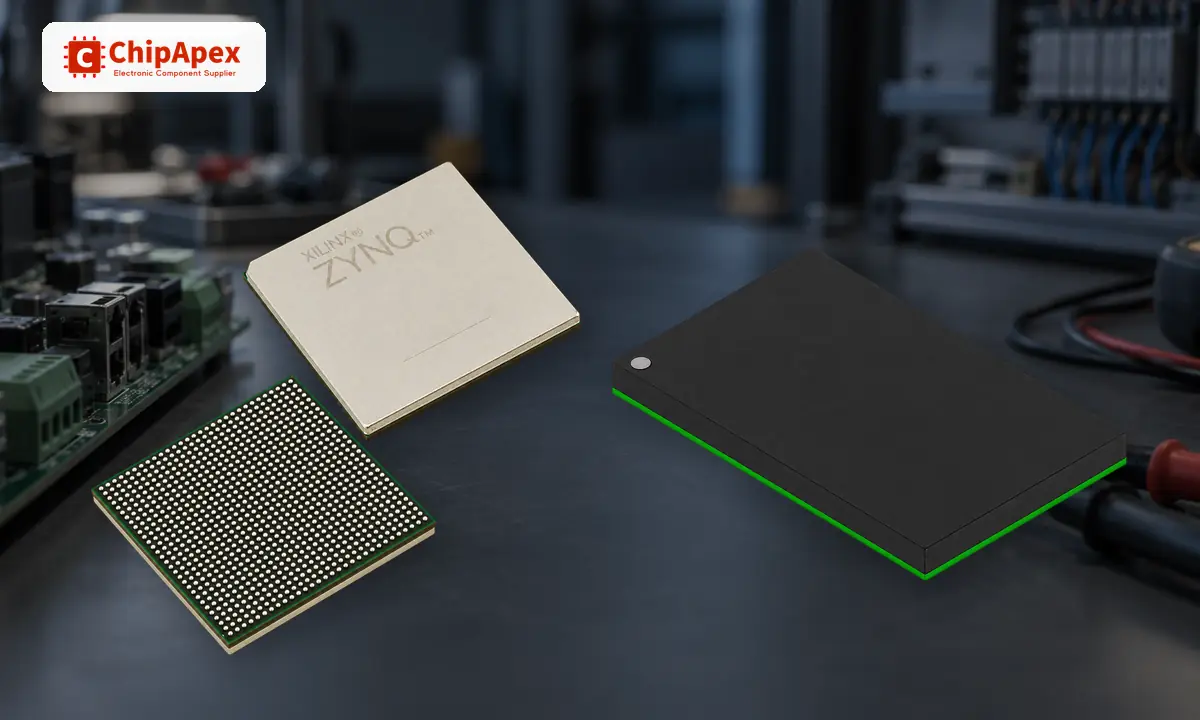
Start with what the circuit must do. Then compare supply voltage, signal levels, interfaces, package footprint, operating temperature, power dissipation, and lifecycle requirements. For replacements, check the complete manufacturer part number, not just a family name. Suffixes can identify different packages, temperature grades, or options.
Before buying, confirm the pinout and support components in the manufacturer's datasheet. A footprint match is useful, but it cannot prove electrical compatibility. If you are sourcing a part for production, share the full part number, target quantity, and any approved alternates with ChipApex so the exact requirement can be checked.
People often use “chip” for an IC, but the term also appears in broader descriptions of semiconductor parts. The safest way to identify a board component is its full marking or manufacturer part number and the related datasheet.
An IC is a component containing circuitry on a semiconductor die. A printed circuit board carries and connects components through copper traces. An assembled board may contain several ICs alongside resistors, connectors, and other parts.
No. Package dimensions do not establish pin compatibility, supply requirements, timing, or function. Compare datasheets and test the proposed replacement in the intended circuit.
No. ICs can be analog, digital, or mixed-signal. The right category depends on the signals the device receives and the work it performs.
Send the complete part number, manufacturer if fixed, required quantity, and any package or temperature constraints. If alternates are acceptable, describe the limits they must meet rather than assuming a visually similar package is equivalent.
Compare RC, crystal and MEMS oscillator circuits. Check ppm, jitter, load capacitance, startup margin and output compatibility before choosing a clock source.
View details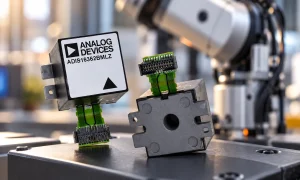
An inertial measurement unit (IMU) measures motion using an accelerometer and a gyroscope in one device or module. The accelerometer senses specific force, including the effect of gravity; the gyroscope senses angular rate. Software can combine th...
View details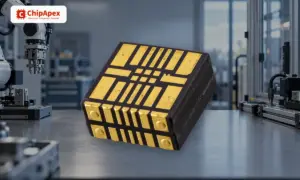
See how a MEMS gyroscope measures angular rate, why its angle estimate drifts, and which range, noise, interface and temperature specs to compare.
View details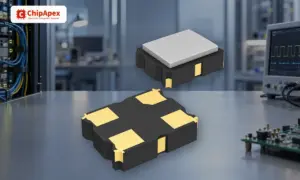
Understand how oscillators generate timing signals, how they differ from crystals, and which frequency, output and stability specs matter when choosing one.
View details
The activity of extra discounts on wholesale prices is in full swing…
Please fill in your contact information and we will send you the latest wholesale price list.

