 ChipApex | Global Electronic Components Supplier

SEARCH
Search Product
Search Post
— IC芯片 | 连接器 | 传感器 | 被动器件 —
Search productSearch post
— IC芯片 | 连接器 | 传感器 | 被动器件 —
The trend of science and technology is changing rapidly.
An oscillator is a circuit or component that produces a repeating electrical signal without a repeating input signal. Electronic systems use that signal as a timing reference, a clock, or a carrier. The required oscillator depends on frequency accuracy, output format, power, and the conditions in which the finished product must operate.
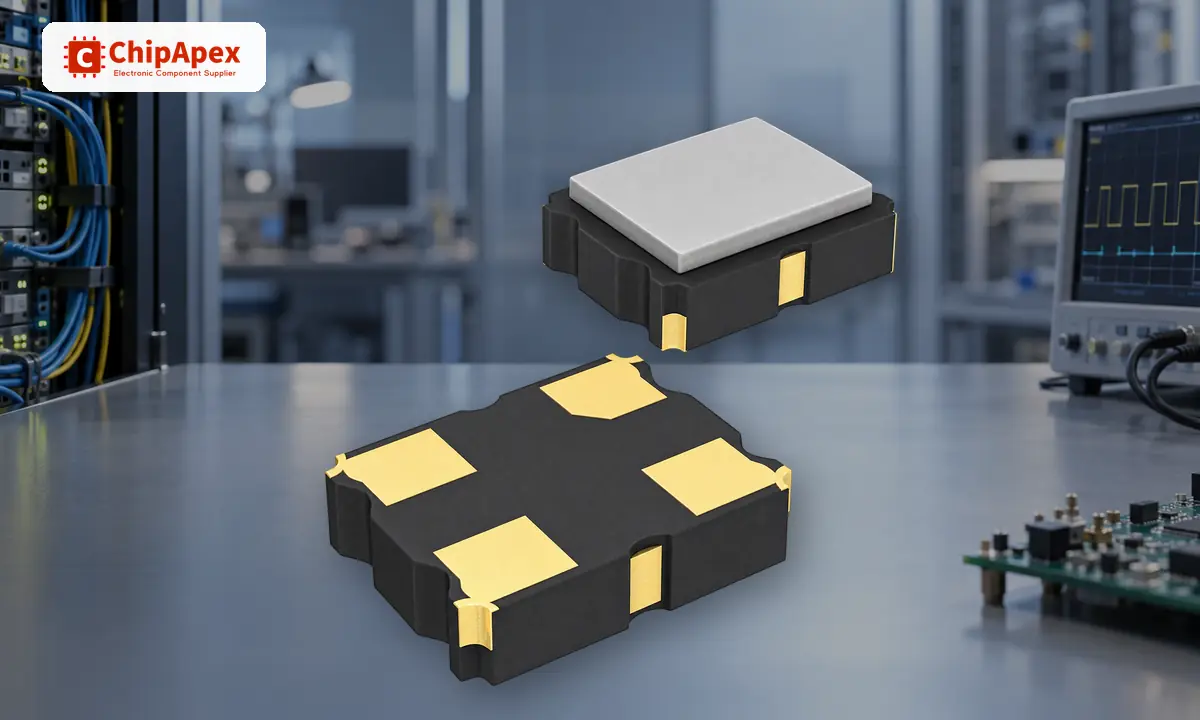
An oscillator sustains a periodic change by feeding energy from a power supply into a frequency-setting circuit. The details vary: some use an RC network, some an LC network, and others a quartz crystal or another resonator. An active circuit maintains the oscillation and provides an output the rest of the board can use. Analog Devices gives the same broad definition in its oscillator glossary.
The ChipApex product image below shows a packaged oscillator. Its internal circuit cannot be identified from the package photo, so use the part's datasheet for its pins and output behavior.
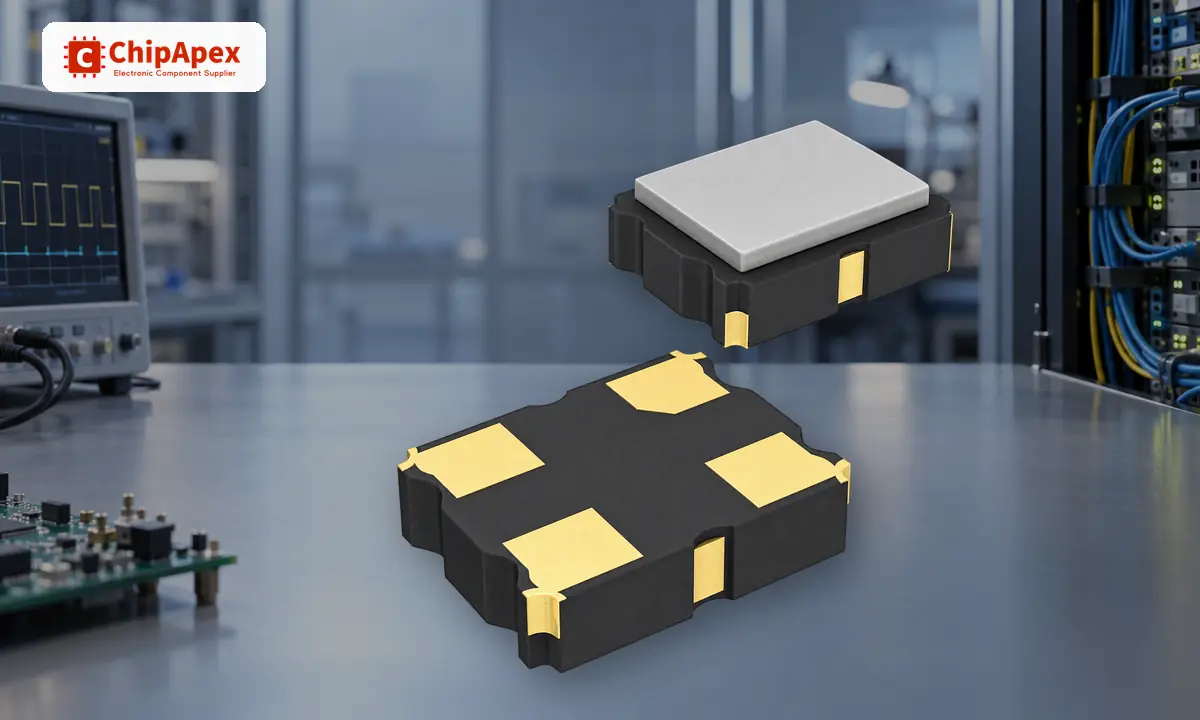
A crystal is a resonating element. It generally needs an appropriate oscillator circuit to become a useful clock source. A packaged oscillator supplies an output signal when powered and connected as specified. That distinction affects board layout, start-up, load capacitance, and the number of parts needed.
The crystals category is useful when a controller or timing IC already includes a compatible crystal-driving circuit. Choose a complete oscillator when the design requires a specified clock output from a separate component. Do not assume that a crystal and an oscillator with the same frequency are drop-in replacements.
RC oscillators are compact and often used when tight frequency accuracy is unnecessary. LC oscillators suit many radio-frequency applications. Crystal-based oscillators are used when a more stable frequency reference is needed. Programmable devices allow an output frequency or configuration to be selected within a product family's limits; these clock chips still need datasheet checks for configuration and output format.
The useful comparison is tied to the end circuit. A simple timer may tolerate drift that would be unacceptable for a communication interface. A radio design may care about phase noise as much as nominal frequency.
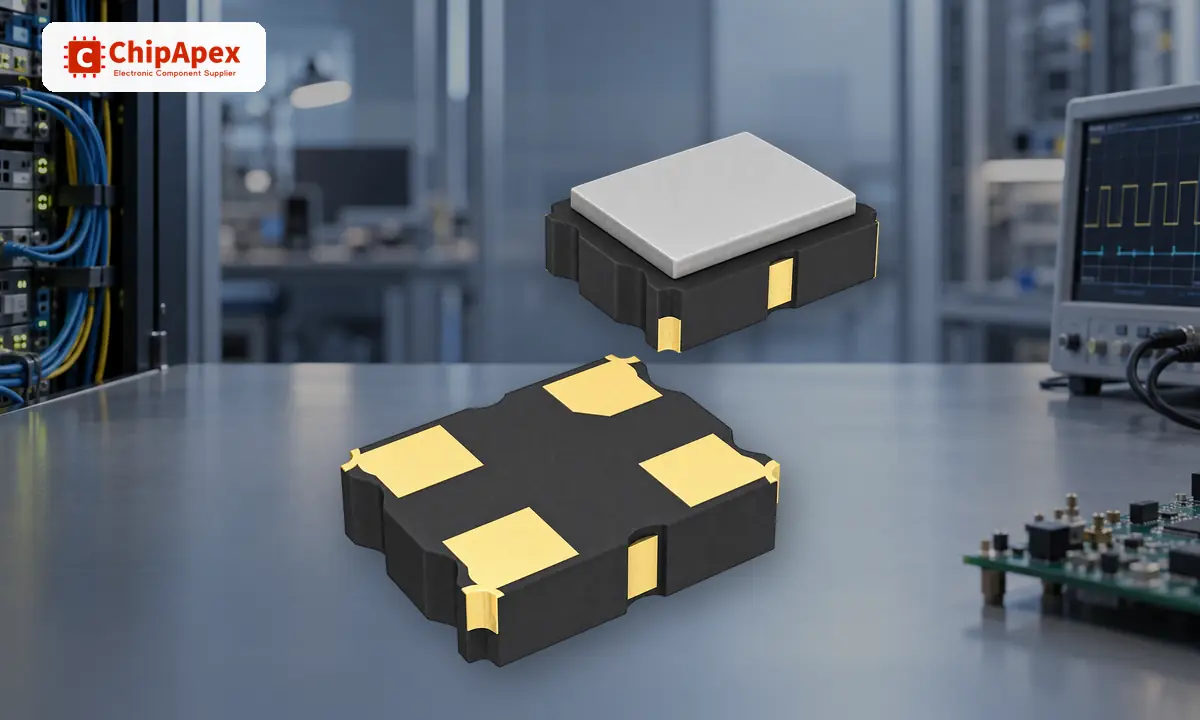
Confirm the nominal frequency and tolerance first. Then look at stability over temperature and aging, supply voltage, output type, logic levels, start-up time, jitter or phase noise where relevant, and package footprint. The datasheet may distinguish initial accuracy from total stability across operating conditions.
An output labeled “clock” is not automatically compatible with every digital input. Match the receiving device's voltage and timing requirements. If you are replacing a listed part, check the manufacturer's full suffix and pin assignment before changing the board's bill of materials.
Oscillators provide timing for processors, serial interfaces, wireless circuits, test equipment, and control systems. Some designs need one main reference; others use several frequencies for separate functions. If the system has synchronization or emissions requirements, review the whole timing chain rather than choosing by frequency alone.
For a ChipApex inquiry, provide the target frequency, output standard, supply voltage, tolerance and stability requirements, package, operating temperature, and quantity. This lets a proposed part be compared with the actual design need.
Usually no. Its purpose is to generate a repeating signal from power and its frequency-setting elements. Some configurable clock generators also accept a reference input, so check the specific product architecture.
A crystal is a resonator. It can be part of an oscillator circuit, but a bare crystal alone does not provide the same ready-to-use powered output as a packaged oscillator.
It describes how far the output frequency may depart from its nominal value under stated conditions, often in parts per million. Check whether the figure covers initial calibration only or also temperature and aging.
Jitter is variation in the timing of signal edges from their ideal positions. It matters most where timing uncertainty affects data conversion, communication, or another sensitive function.
Frequency alone is insufficient. Supply voltage, output format, pinout, package, stability, and start-up behavior must also suit the circuit.
Learn the relay definition, coil and contact operation, NO and NC forms, load ratings and suppression choices. Compare mechanical, reed and solid-state types.
View details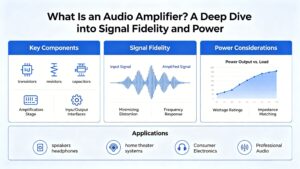
Learn how audio amplifiers work, compare Class AB vs. Class D, and discover key metrics (THD+N, SNR). Source authentic TI/ST audio ICs at ChipApex for your design.
View details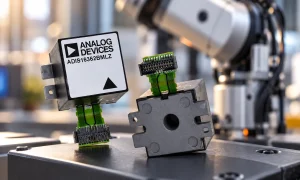
An inertial measurement unit (IMU) measures motion using an accelerometer and a gyroscope in one device or module. The accelerometer senses specific force, including the effect of gravity; the gyroscope senses angular rate. Software can combine th...
View details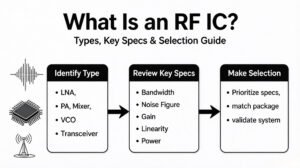
Learn what an RF IC is, how LNAs, PAs, mixers, attenuators and transceivers differ, and how to choose the right RF component. Includes verified part numbers and layout tips.
View details
The activity of extra discounts on wholesale prices is in full swing…
Please fill in your contact information and we will send you the latest wholesale price list.

