ChipApex | Global Electronic Components Supplier

SEARCH
Search Product
Search Post
Search productSearch post
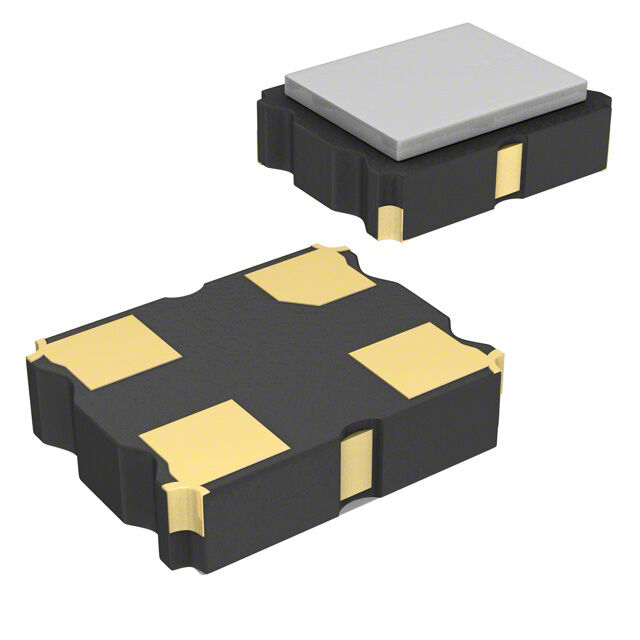
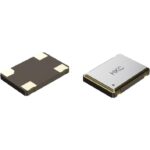
Oscillator products are used as frequency/time reference sources, distinguished from crystal products often used for similar purposes by their integration of additional functions for maintenance and stabilization of the resulting output. In minimal form, they consist of a crystal or other resonant element plus functions needed to allow a user to obtain a frequency reference without extensive attention to the operation of the resonant element. More advanced devices integrate temperature compensation or control functions in order to obtain a more stable reference or one capable of selective adjustment.
| Select products | Mfr | Description | Package | Supplier Device Package | Mounting Type | Series | Operating Temperature |
|---|---|---|---|---|---|---|---|
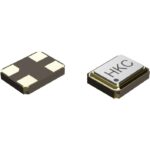
| HKC | OSC XO 32.768KHZ 50PPM 3.3V HCM | Strip | 4-VDFN (3.2x2.5) | Surface Mount | 3225XO | -40°C ~ 85°C | |
| HKC | OSC XO 32.768KHZ 50PPM 3.3V HCM | Tape & Reel (TR) | 4-VDFN (3.2x2.5) | Surface Mount | 3225XO | -40°C ~ 85°C | |
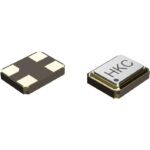
| HKC | OSC XO 100MHZ 50PPM 3.3V LVPECL | Tape & Reel (TR) | 4-VDFN (3.2x2.5) | Surface Mount | 3225XO | -40°C ~ 85°C | |
| HKC | OSC XO 125MHZ 50PPM 3.3V LVPECL | Tape & Reel (TR) | 4-VDFN (3.2x2.5) | Surface Mount | 3225XO | -40°C ~ 85°C | |
| HKC | OSC XO 150MHZ 100PPM 3.3V LVPECL | Tape & Reel (TR) | 4-VDFN (3.2x2.5) | Surface Mount | 3225XO | -40°C ~ 85°C | |
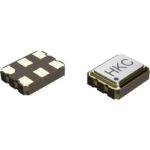
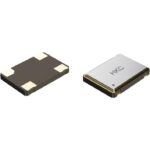
| HKC | OSC XO 125.000MHZ 50PPM 3.3V HC | Tape & Reel (TR) | - | Surface Mount | 7050XO | -40°C ~ 85°C | |
| HKC | OSC XO 50.000MHZ 50PPM 3.3V HCMO | Tape & Reel (TR) | - | Surface Mount | 7050XO | -40°C ~ 85°C | |
| HKC | OSC XO 50MHZ 50PPM 3.3V HCMO | Tape & Reel (TR) | - | Surface Mount | 7050X0 | -40°C ~ 85°C |
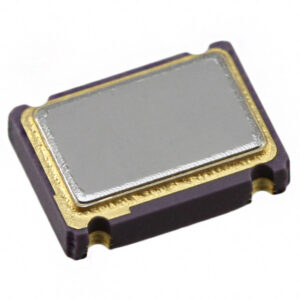 K50-3C0SE66.6667MRView Product
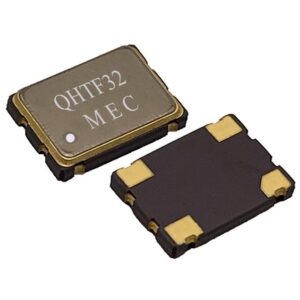 3QHTF32-70.002-OEView Product
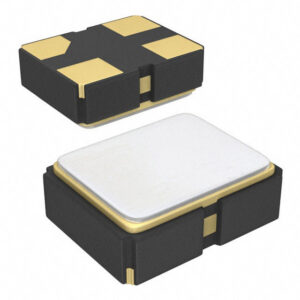 SG-8101CB 3.7300M-TBGPA0View Product
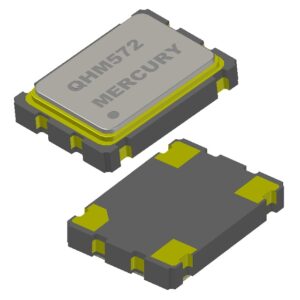 3QHM572D0.5-58.98241View Product
 NA-100M-6822View Product
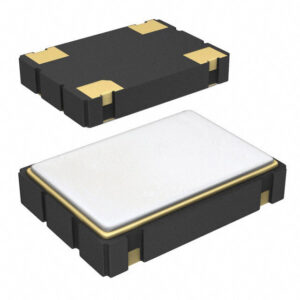 SG-8101CA 162.4500M-TCHSA0View ProductSG-8018CA 12.7666M-TJHSA0View Product
 VCB1-F0F-40M0000000View ProductLFTCXO070346BULKView Product
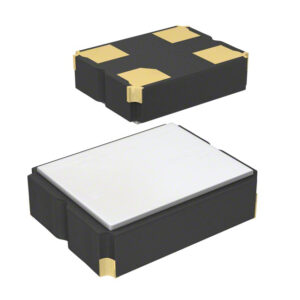 KC2016Z64.0000C1XX00View ProductSG-8101CB 51.1560M-TCHSA0View Product
 SIT3373AI-4E3-33NG540.000000View Product

Over the past week, the global electronic components sector has witnessed dual transformations in policy and technology: Coupled with mounting pressure from a worsening…
Read More
Compare linear and switching voltage regulators with a worked power-loss example and practical checks for dropout, load transients, ripple, heat and EMI.
Read More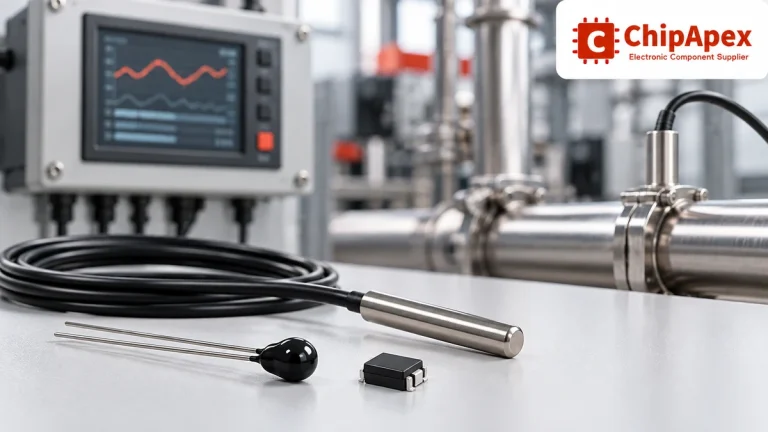
Compare thermistors, RTDs, thermocouples and temperature ICs. Learn how range, accuracy, response, interfaces and mounting affect component selection.
Read More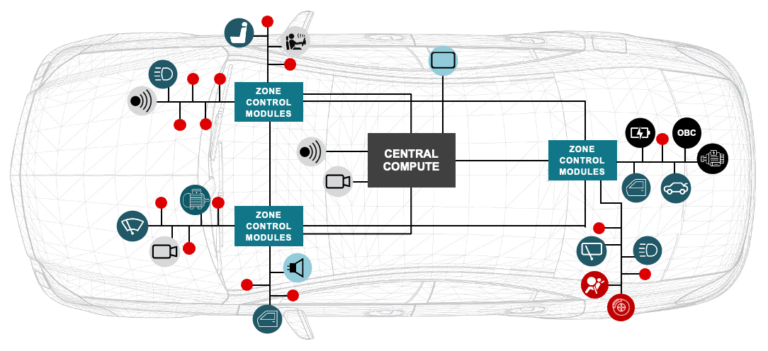
Las Vegas, January 6, 2026 — At the Consumer Electronics Show (CES) 2026, Texas Instruments (TI) (NASDAQ: TXN) announced a suite of next-generation semiconductor…
Read More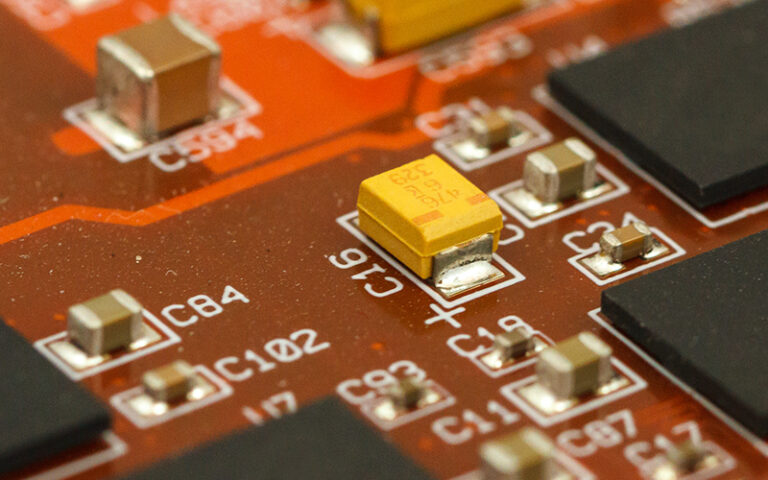
The global electronics industry is facing an escalating shortage of tantalum capacitors, a critical passive component, as surging demand from AI servers, automotive electronics,…
Read More
TOKYO, April 15, 2026 – Taiyo Yuden Co., Ltd. (TAIYO YUDEN), a leading global manufacturer of passive electronic components, has officially notified its worldwide…
Read More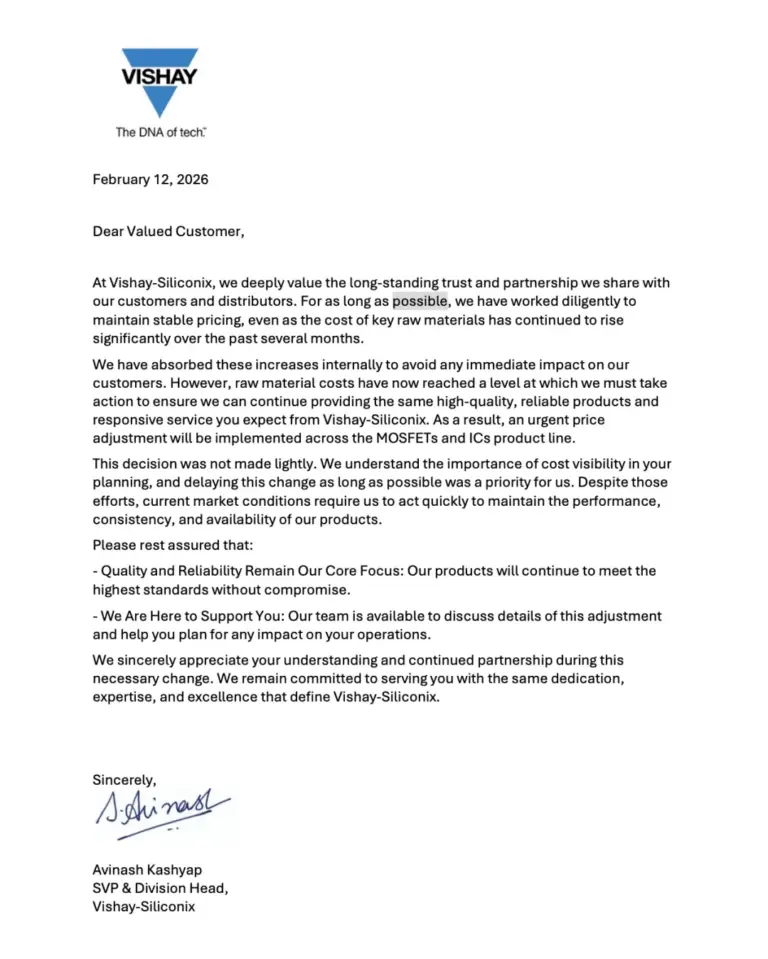
Vishay Intertechnology, Inc., a global leader in discrete semiconductors and passive electronic components, has officially announced a price adjustment for its Metal-Oxide-Semiconductor Field-Effect Transistors…
Read More
Interpret MAP sensor readings using local atmospheric pressure, convert a ratiometric signal to kPa and distinguish a pressure change from a signal fault.
Read More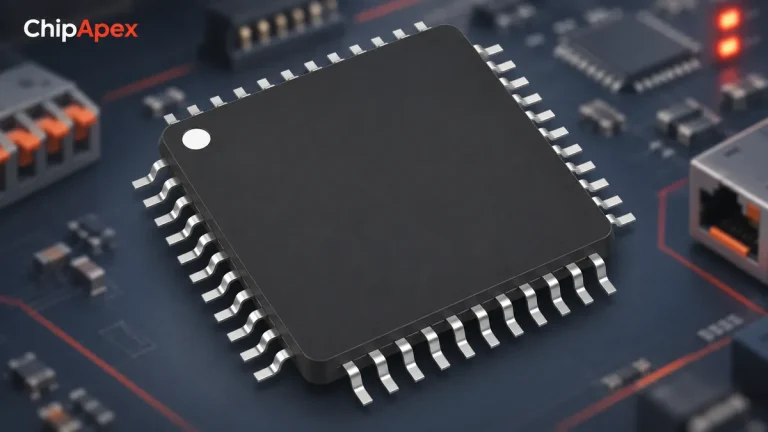
Learn how CPLDs implement hardware logic, compare them with FPGAs and MCUs, and check timing, I/O voltage, startup behavior and programming requirements.
Read More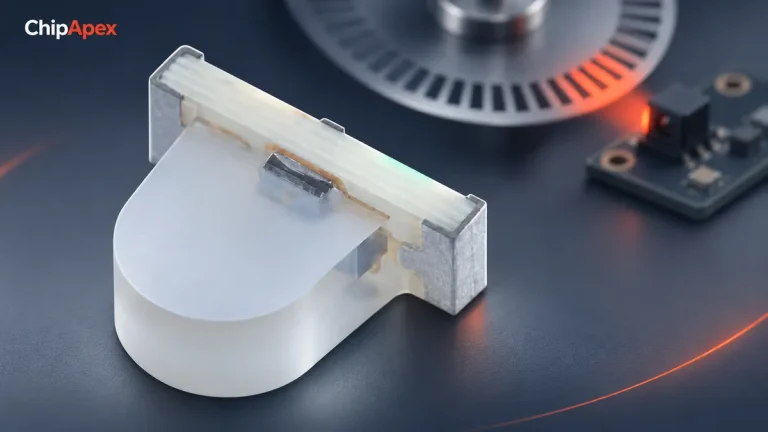
Understand phototransistor operation, load-resistor selection, saturation and response time. Compare detector types and prepare component sourcing requirements.
Read More
Geneva, Switzerland – August 20, 2026 – Global leading semiconductor manufacturer STMicroelectronics (ST) has officially issued a new global price adjustment notice to global…
Read More
Embedded Integrated Circuit Modules: The Backbone of Modern Technology Embedded Integrated Circuit Modules (EICMs) have become an indispensable part of modern technology. Serving as…
Read More
The activity of extra discounts on wholesale prices is in full swing…
Please fill in your contact information and we will send you the latest wholesale price list.