 ChipApex | Global Electronic Components Supplier

SEARCH
Search Product
Search Post
— IC芯片 | 连接器 | 传感器 | 被动器件 —
Search productSearch post
— IC芯片 | 连接器 | 传感器 | 被动器件 —
The trend of science and technology is changing rapidly.
A shock sensor may need a resistor, depending on what its output contains. A bare vibration switch usually needs a pull-up or pull-down so a controller input has a defined state when the contact is open; an internal pull-up may be enough. A sensor module with built-in conditioning often already provides that function. Check the exact circuit before adding parts.

The phrase “shock sensor” covers different devices. A simple mechanical contact opens or closes when disturbed. A piezoelectric element generates a voltage pulse when stressed. A complete module may contain a sensing element, comparator, adjustment control, and output stage. These outputs require different input circuits, so the answer cannot come from the product name alone.
Start with the specific part number and datasheet. ChipApex's shock sensors category is a place to identify candidate parts, while the manufacturer circuit defines the wiring.
If a contact switch connects an MCU input to ground when it closes, a pull-up holds the input high while the contact is open. Without a defined pull-up or pull-down, the pin can float and report unpredictable transitions. Many microcontrollers include a configurable internal pull-up, which may remove the need for an external resistor in a short, low-noise connection.
Check the input voltage and contact arrangement before wiring. A normally closed switch reverses the expected logic compared with a normally open one. The Seeed SW-420 module explanation shows a vibration-switch circuit with a resistor and comparator; its module output should be treated according to that module's own wiring, not as a bare contact.
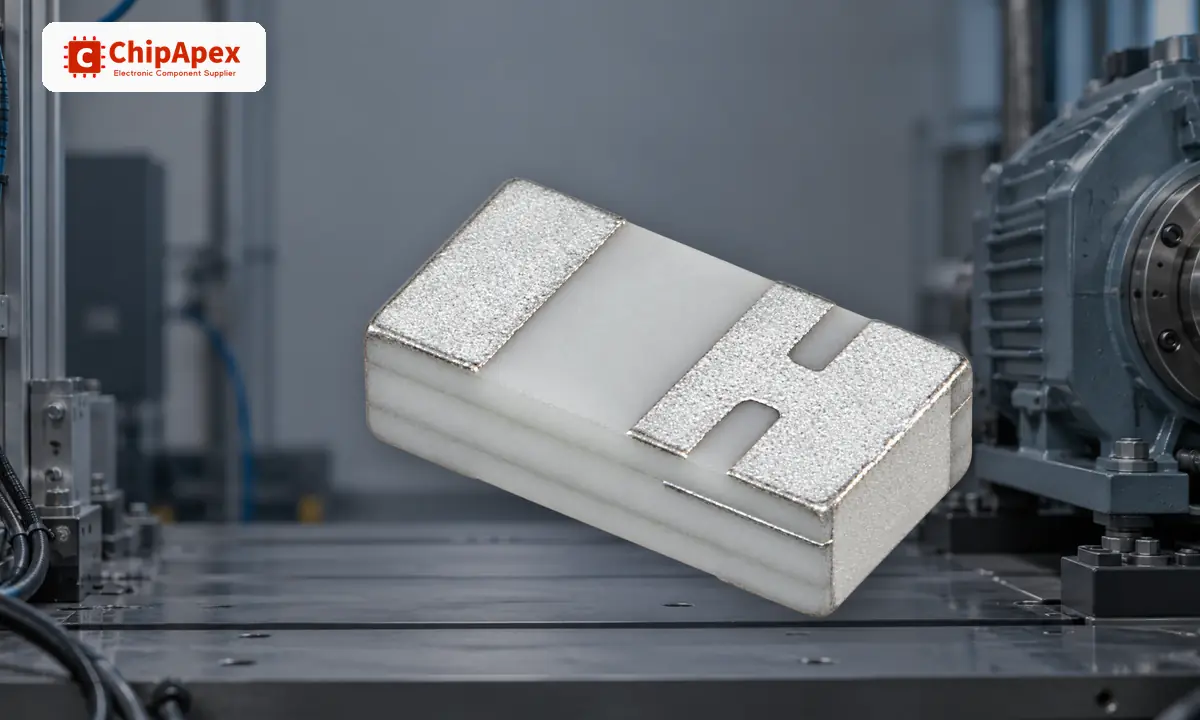
A conditioned module may already include the resistor network and a comparator output. Adding another pull-up without checking the output stage can change current flow or logic levels. Some module outputs are open collector and do require a pull-up, while others actively drive high and low. Check the schematic or output specification.
A bare piezo element is different again: it produces a transient signal rather than a steady contact state. Its load or bias resistor, input protection, and filtering should follow the sensor and controller recommendations. Avoid copying a fixed resistor value from a switch example into a piezo design.
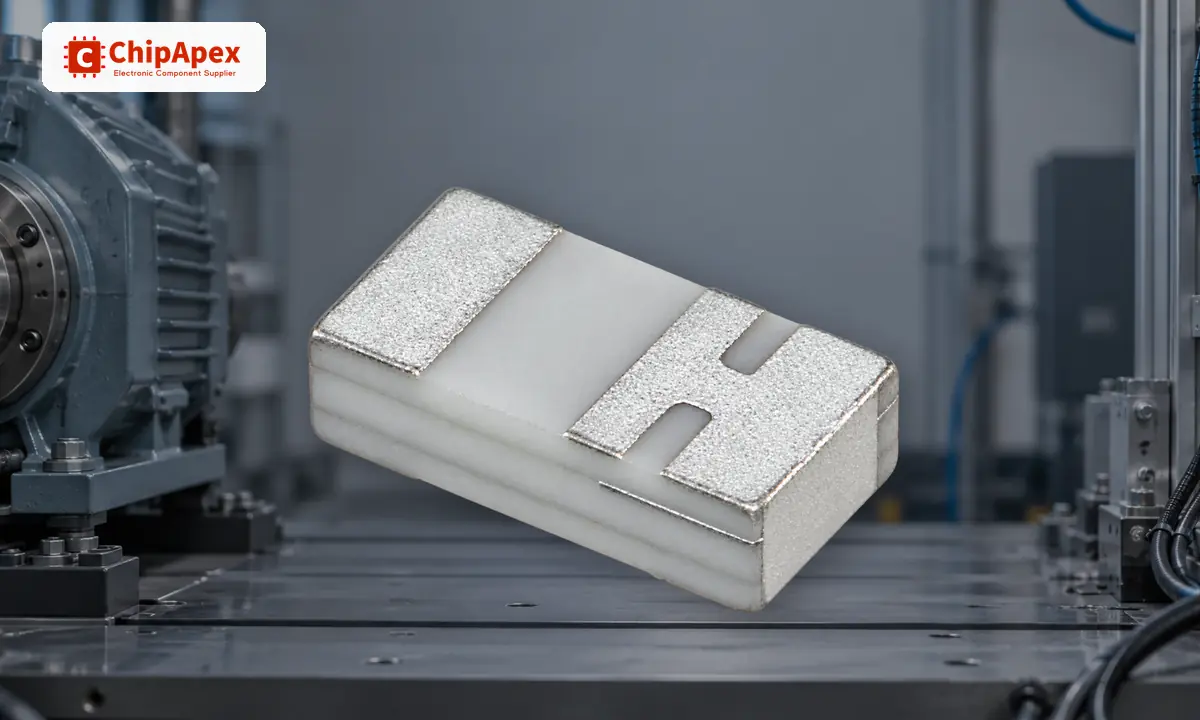
Verify the resting output level and observe what changes when the sensor is tapped. Mechanical contacts can bounce, so use appropriate software debouncing or input filtering. Route long sensor leads away from noisy power traces, and confirm that any external voltage is within the controller input limit. A thresholded module may need its sensitivity adjusted for the actual enclosure and mounting.
If the job is continuous machine condition tracking rather than a single impact event, a machine vibration sensor may be a better starting category. Describe the shock level, mounting, supply, output type, and controller input when asking ChipApex to help source a part.
Often yes for a simple switch-to-ground input. Confirm that the MCU supports an internal pull-up on that pin and that its strength suits the wiring and noise environment. An external resistor may still be preferable for long cables or a specified circuit.
When the contact is open, the input may have no defined voltage. It can change state because of leakage or coupled electrical noise, causing false events.
There is no universal answer. Many modules include conditioning and need only power, ground, and an output connection. Others expose an open-collector output that needs a pull-up. Read the module documentation.
No. A contact switch changes continuity. A piezo element produces an electrical pulse under mechanical stress and needs an analog input arrangement suited to that pulse.
No. Choose the value and placement from the output type, supply voltage, input specification, cable length, and manufacturer's circuit. A value that works for one module may be wrong for another.
An inductor is approximately linear only over a specified operating range. In the ideal model, its inductance stays constant and voltage equals inductance times the rate of current change. A real magnetic core can approach saturation as current ri...
View details
Select power transformers by input frequency, secondary VA, rectifier load, isolation, regulation and inrush. Build a clearer specification for your next RFQ.
View details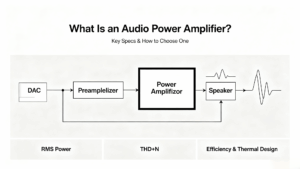
Learn what an audio power amplifier is, the differences between Class D and AB, and how to choose the right IC. Includes PCB layout tips and part recommendations. Shop at ChipApex.
View details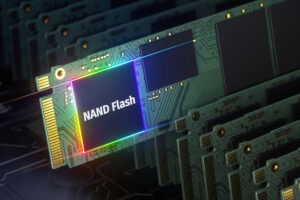
Learn how NAND flash works, its types (SLC, MLC, TLC), applications in SSDs & embedded systems, and how to source authentic, traceable ICs from trusted suppliers.
View details
The activity of extra discounts on wholesale prices is in full swing…
Please fill in your contact information and we will send you the latest wholesale price list.

