 ChipApex | Global Electronic Components Supplier

SEARCH
Search Product
Search Post
— IC芯片 | 连接器 | 传感器 | 被动器件 —
Search productSearch post
— IC芯片 | 连接器 | 传感器 | 被动器件 —
Consult the customer manager about the wholesale price.
consultation hotline:86-132-6715-2157
email:[email protected]
Contact the product manager for consultation. One-stop consultation is available.
Do you want a lower wholesale price? Please send us your inquiry and we will reply immediately.
The nVent SCHROFF 24571906 is a rack thermal management component, specifically identified as a RATIOP.AIR HL unit. It is designed for integration into standard electronic enclosures or cabinets to facilitate airflow and heat dissipation. The physical dimensions are approximately 221.5 mm in height and 255.5 mm in depth, with a width corresponding to a 4/5U form factor. This component serves as a passive or active cooling solution within the rack structure.
Verify the exact dimensional specifications against your enclosure requirements before procurement. Confirm that the RATIOP.AIR HL designation matches your specific thermal load needs. Ensure compatibility with existing rack mounting standards. Check for any specific installation hardware requirements not included in the base unit. Validate the manufacturer's current availability status through authorized channels.
Select this model when a dedicated rack-mounted thermal management solution is required for 4/5U spaces. Consider the specific airflow direction and volume requirements of your enclosed electronics. Evaluate the material construction for durability in industrial settings. Compare against other RATIOP.AIR variants if different depths or heights are needed. Ensure the component fits within the overall system thermal budget.
This part belongs to the nVent SCHROFF product line, a leader in electronics packaging design. The 24571 series typically includes various rack accessories and thermal solutions. SCHROFF products are widely used in industrial automation and telecommunications for reliable enclosure management. The 24571906 is a specific variant focused on air flow optimization within these standardized rack systems.
Publicly confirmed substitute part numbers for this specific component are not available in the provided documentation. Users should consult the official nVent SCHROFF catalog for equivalent models with similar dimensions and thermal ratings. Cross-referencing with other manufacturers requires careful verification of mounting hole patterns and airflow characteristics.
 24571906

As 2025 draws to a close, the global semiconductor industry stands at a crossroads. Intertwined with escalating geopolitical tensions, supply chain disruptions, and groundbreaking…
Read More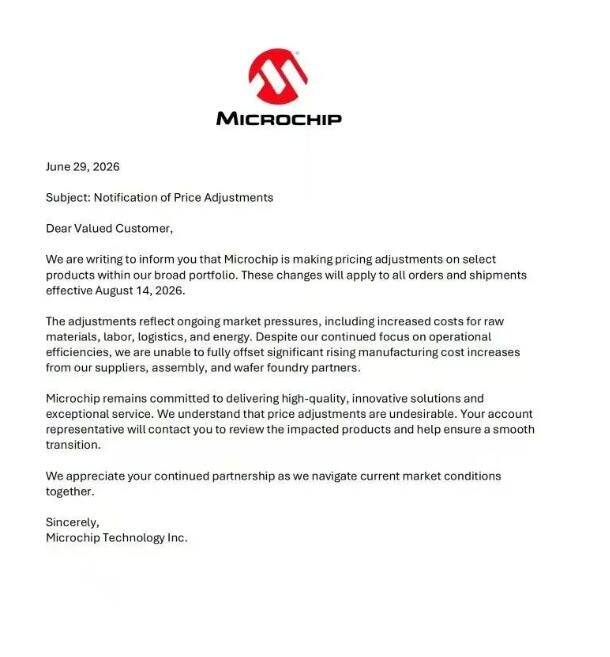
Tempe, Arizona‑based semiconductor giant Microchip Technology has formally rolled out selective product price increases across its MCU, power‑management IC, memory controller and analog component…
Read More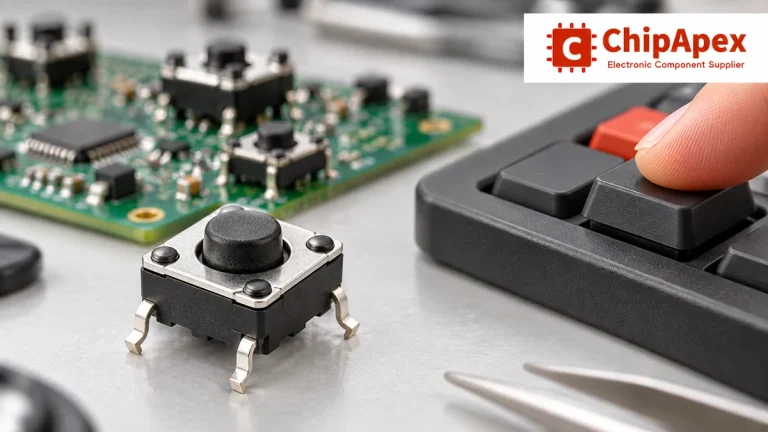
Understand tactile switches, PCB and keyboard differences, four-pin wiring, debounce, force, travel and replacement checks for reliable control inputs.
Read More
CHICAGO, USA – May 27, 2026 – Global leading interconnect manufacturer Molex officially issued a global distributor price adjustment notice on May 27, confirming…
Read More
Learn how a pressure transducer converts pressure into voltage, current, or digital output, and compare pressure references and key selection specs.
Read More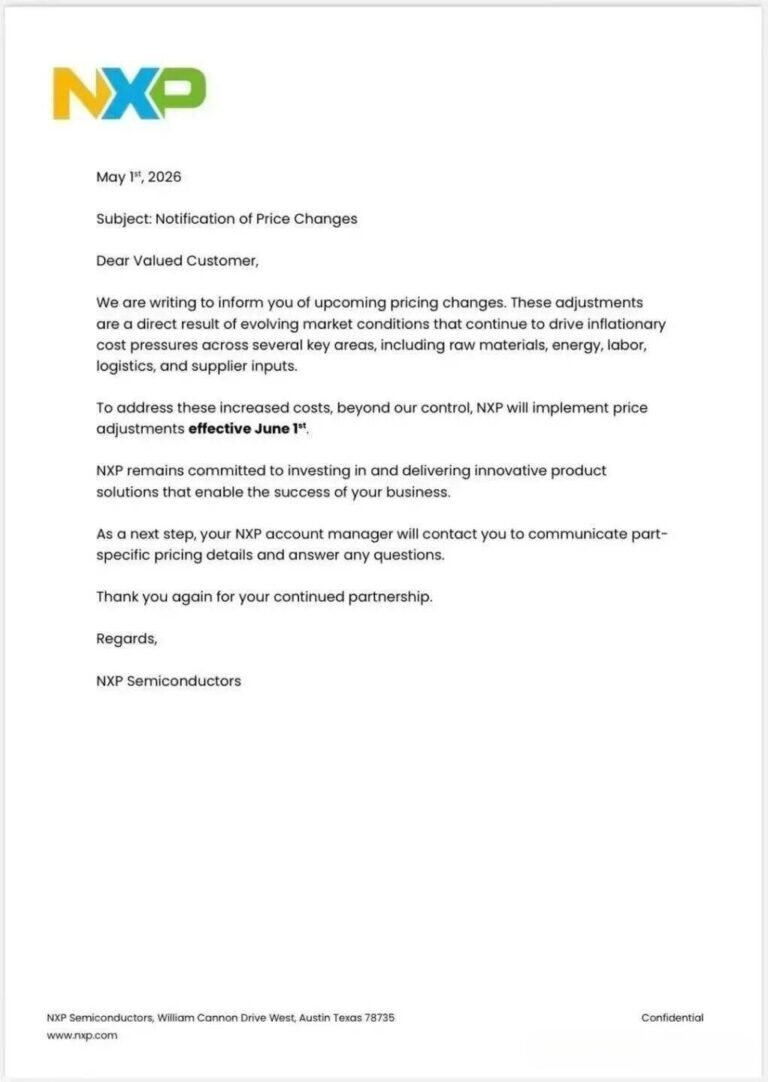
May 8, 2026 – Eindhoven, Netherlands NXP Semiconductors (NXPI), a global leader in automotive and industrial semiconductor solutions, has officially notified its worldwide channel…
Read More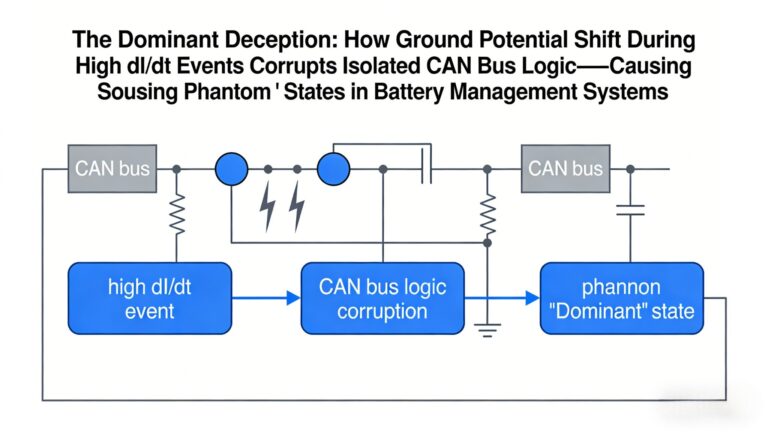
Stay ahead with ChipApex Insights — technical deep dives, market trends, and sourcing tips for memory, microcontrollers, power management, and industrial-grade components. Trusted by…
Read More
WILMINGTON, Mass. – July 3, 2026 – Analog Devices, Inc. (ADI), the global leading supplier of high-performance analog, mixed-signal and signal processing semiconductors, has…
Read More
Latest updates from leading semiconductor manufacturers: Wolfspeed launches new SiC modules, AMD reveals MI430X with HBM4, TSMC eyes third Japan fab, and Samsung samples…
Read More
If you’ve spent any time staring at a schematic, you’ve seen the triangle. Two inputs, one output, and a gain symbol that looks deceptively…
Read More
Choose logic inverter ICs by thresholds, supply, output drive and delay. Compare standard and Schmitt-trigger inputs, power sequencing and replacement checks.
Read More
Understand how a comparator switches at a voltage threshold, why hysteresis prevents chatter, and which output and input specs matter.
Read More
The activity of extra discounts on wholesale prices is in full swing…
Please fill in your contact information and we will send you the latest wholesale price list.




