 ChipApex | Global Electronic Components Supplier

SEARCH
Search Product
Search Post
— IC芯片 | 连接器 | 传感器 | 被动器件 —
Search productSearch post
— IC芯片 | 连接器 | 传感器 | 被动器件 —
The trend of science and technology is changing rapidly.
A pressure transducer turns pressure into an electrical signal that a controller can read. Inside the device, a sensing element responds to pressure; the electronics then provide a specified voltage, current, or digital output. The output format matters as much as the pressure range when you choose a part for a system.
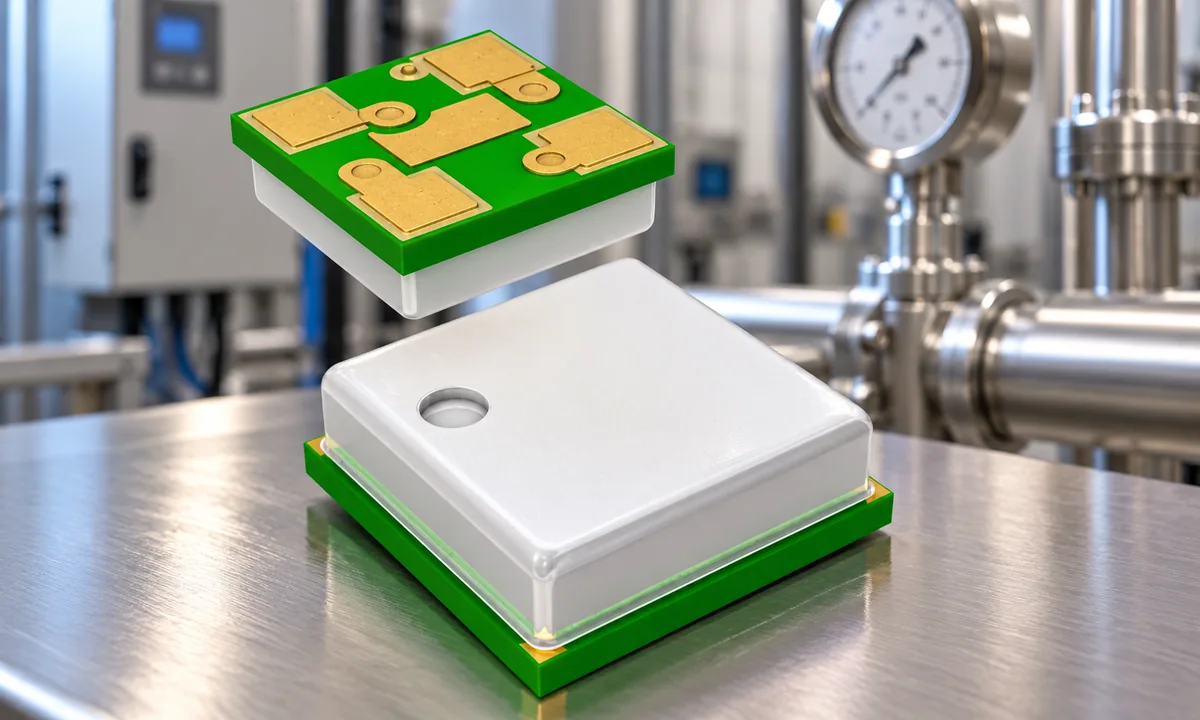
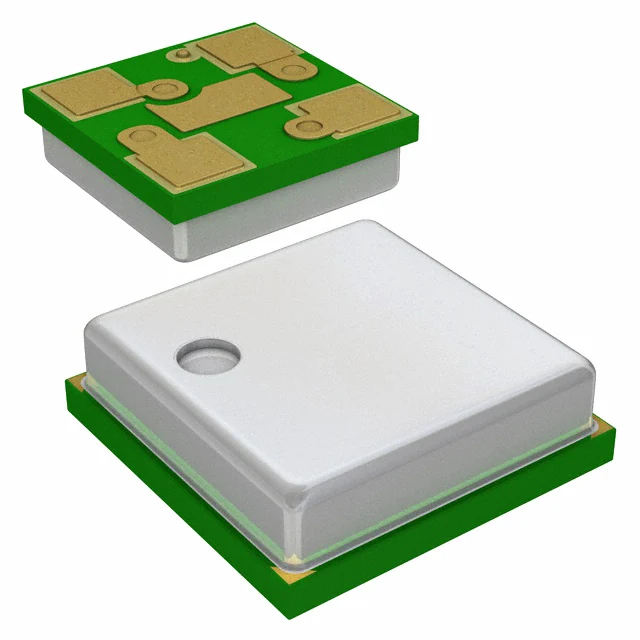
Pressure acts on a diaphragm or another sensing element. Its movement changes an electrical property, often the resistance of a strain-sensitive element. Signal-conditioning circuitry converts that small change into a usable output. A bare sensor may need external amplification and calibration; an integrated transducer may include those functions. Check the datasheet instead of assuming every package shown in a catalog provides the same interface.
The ChipApex pressure transducer sensor category is a starting point for comparing available part numbers. Its product images show package styles, while the individual datasheet establishes what each part actually measures.
Analog voltage, current-loop, and digital interfaces solve different wiring problems. A voltage output is straightforward for a nearby ADC, but cable drop and noise matter over longer runs. A 4–20 mA transmitter can carry a measurement through an industrial current loop; it also needs the correct supply and receiving circuit. A digital device may provide calibrated readings over a specified bus. None of these outputs is interchangeable without checking pinout, supply, scaling, and timing.
An unamplified bridge sensor can produce only a small differential voltage. If the controller needs a clean threshold rather than a continuous measurement, a comparator may be part of the downstream circuit. That comparator does not replace the pressure-sensing element.
Choose the reference before comparing ranges. Gauge pressure is measured against ambient pressure. Absolute pressure is referenced to a vacuum. Differential pressure measures the difference between two ports. A part with the right numeric range but the wrong reference can give the wrong answer in a sealed vessel, filter monitor, or airflow system.
Also compare the working range, proof pressure, burst rating, accuracy conditions, media compatibility, temperature range, and port or mounting style. A PCB-mounted package and a threaded process transmitter belong to different mechanical designs.
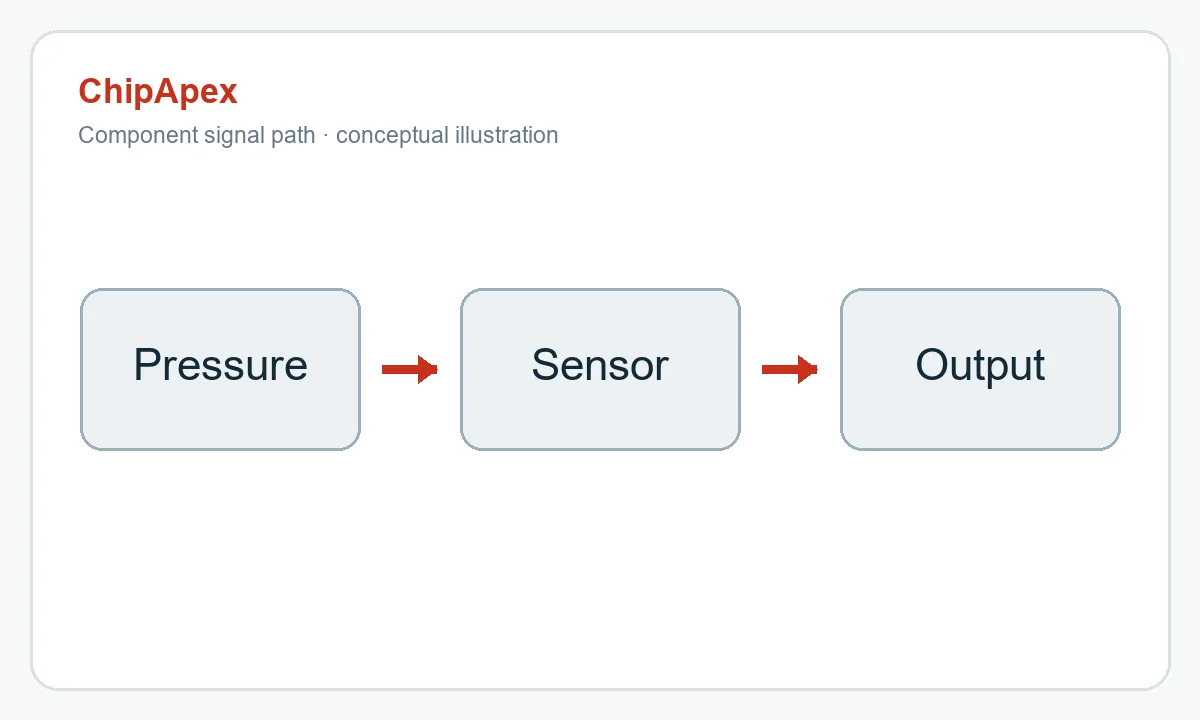
Write down the pressure reference, maximum operating pressure, and any expected transients. Note the output your controller can accept, the available supply, and the temperature and fluid at the measurement point. The part datasheet should settle the remaining questions about calibration, accuracy, and wiring. If you have no part number yet, these operating conditions give ChipApex a useful starting brief.
The terms often overlap in catalogs. In a design review, state whether you need a raw sensing element or a conditioned output; that distinction is more useful than relying on the label alone.
Only when its output voltage, interface, and power requirements fit the microcontroller. A bridge output usually needs signal conditioning, while a current-loop output needs a suitable receiver.
In a correctly configured loop, 4 mA generally represents the lower end of the calibrated span. Consult the specific device documentation for fault-current behavior.
Both the sensing element and electronics can drift with temperature. Use the accuracy and compensated-temperature specifications for the exact part.
Differential pressure across the filter is commonly the useful quantity. Confirm the port arrangement and pressure limits before selection.
Practical MCU selection guide for engineers: compare STM32, ESP32 & NXP, avoid counterfeits, and ensure supply chain reliability. Authored by ChipApex FAE.
View details
Learn how rectifiers convert AC to DC, compare half-wave and bridge circuits, and select voltage, current, recovery and thermal ratings for your design.
View details
Understand how oscillators generate timing signals, how they differ from crystals, and which frequency, output and stability specs matter when choosing one.
View details
Learn how NAND flash works, its types (SLC, MLC, TLC), applications in SSDs & embedded systems, and how to source authentic, traceable ICs from trusted suppliers.
View details
The activity of extra discounts on wholesale prices is in full swing…
Please fill in your contact information and we will send you the latest wholesale price list.

