 ChipApex | Global Electronic Components Supplier

SEARCH
Search Product
Search Post
— IC芯片 | 连接器 | 传感器 | 被动器件 —
Search productSearch post
— IC芯片 | 连接器 | 传感器 | 被动器件 —
The trend of science and technology is changing rapidly.
A comparator checks which of two input voltages is higher and changes its output state accordingly. It is useful when an analog signal must trigger a clear decision, such as an overvoltage warning or sensor threshold. Its input range, output type, delay, and noise behavior determine whether it will work in a particular circuit.
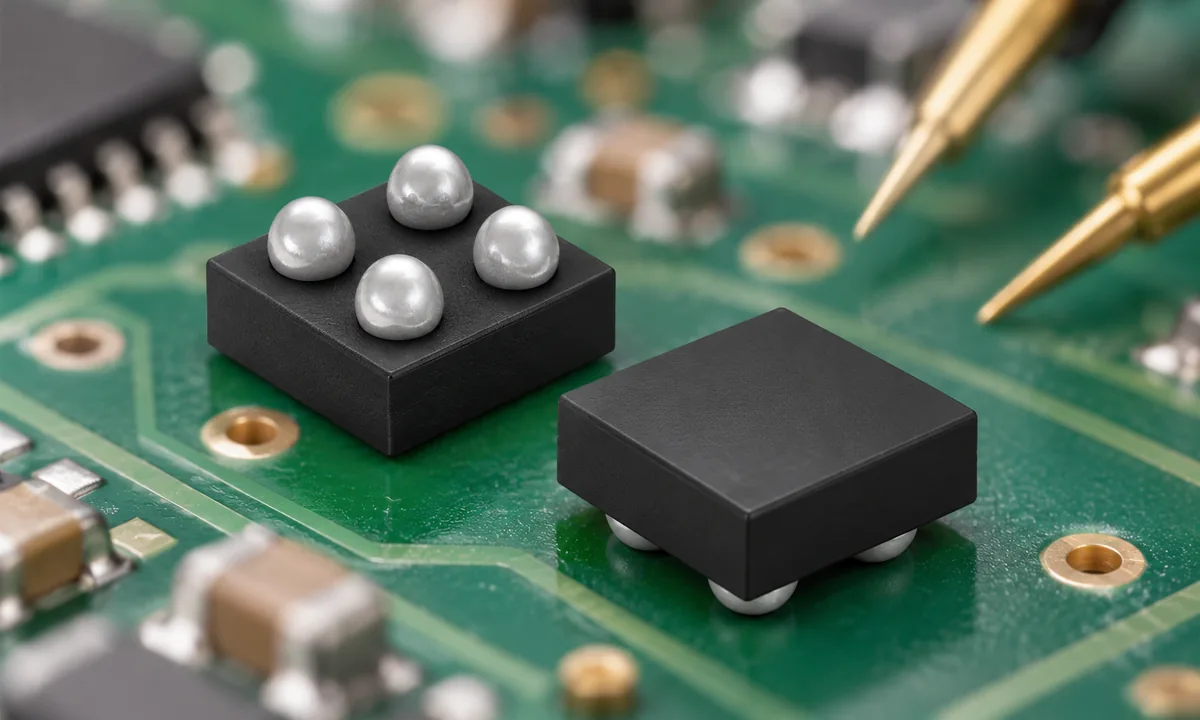
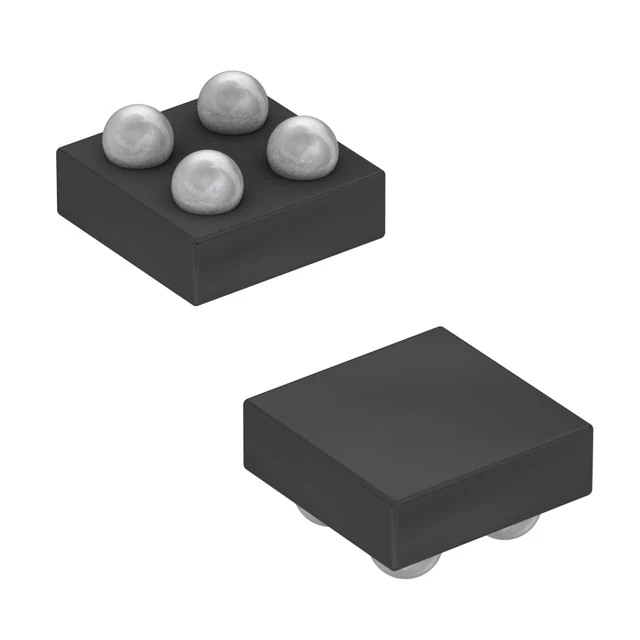
One input receives the signal and the other a reference. If the signal crosses the reference, the output changes state; the direction depends on which input receives which voltage. A comparator is designed for this switching role. It is not normally the part to use when you need a proportional, amplified analog output.
For example, a pressure-monitor board might compare a conditioned sensor voltage against a set threshold. The comparator can raise an alarm when the signal passes that point, while the sensor and its conditioning circuit still provide the measurement.
When the input moves slowly near the threshold, small noise or offset can cause repeated output transitions. Hysteresis creates separate rising and falling thresholds, so the input must move farther before the output changes back. Some devices include hysteresis; other circuits add it through positive feedback. The required amount depends on actual signal noise and desired threshold accuracy.
Check the output stage too. An open-drain comparator needs a pull-up path to produce a high logic level. A push-pull output behaves differently. The receiving logic voltage and the pull-up supply must stay within the part's ratings.
The schematic symbols look similar, but the design goals differ. A comparator is specified to make a threshold decision and switch its output. An op amp is normally used with negative feedback for linear amplification. The ChipApex instrumentation op amp category is relevant when the task is to amplify a small sensor signal before that threshold decision.
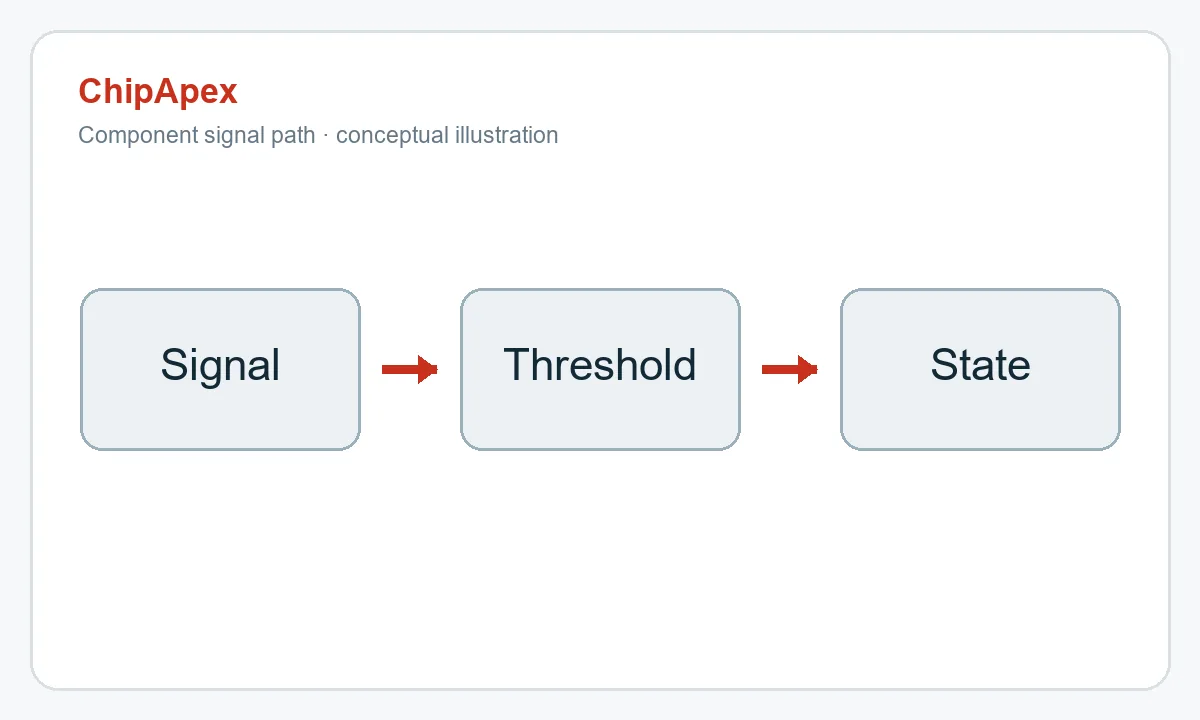
The supply and input common-mode range must cover the actual circuit voltages. Input offset, propagation delay, output type, quiescent current, and built-in hysteresis help distinguish the remaining options. A slow environmental signal may call for a clean threshold more than a fast switch. A part number or these circuit requirements will help ChipApex narrow the choice.
It makes a one-bit decision about an input relative to a threshold. It does not provide the multi-bit measurement of a conventional ADC.
No. Open-drain or open-collector outputs need a pull-up path; push-pull outputs generally drive both states. Check the output-stage specification.
It is the difference between the threshold for switching one way and the threshold for switching back. It helps prevent chatter near a noisy threshold.
Sometimes a circuit may appear to work, but recovery, speed, and output behavior can differ. Use the exact device specifications before making that substitution.
Noise, an unsuitable reference, input voltages outside the valid range, or missing hysteresis can all cause unwanted switching.
Compare thermistors, RTDs, thermocouples and temperature ICs. Learn how range, accuracy, response, interfaces and mounting affect component selection.
View details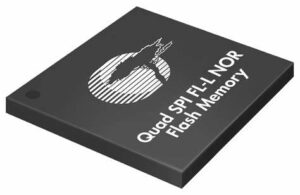
Discover how NOR flash enables fast code execution in embedded systems, its key types (Parallel/SPI), and how to source authentic, traceable ICs from trusted suppliers.
View details
Learn how audio amplifiers work, compare Class AB vs. Class D, and discover key metrics (THD+N, SNR). Source authentic TI/ST audio ICs at ChipApex for your design.
View details
Choose an AC to DC converter by input range, output demand, isolation, efficiency and thermal derating. Compare architectures and check installation needs.
View details
The activity of extra discounts on wholesale prices is in full swing…
Please fill in your contact information and we will send you the latest wholesale price list.

