ChipApex | Global Electronic Components Supplier

SEARCH
Search Product
Search Post
— IC芯片 | 连接器 | 传感器 | 被动器件 —
Search productSearch post
— IC芯片 | 连接器 | 传感器 | 被动器件 —
Consult the customer manager about the wholesale price.
consultation hotline:86-132-6715-2157
email:[email protected]
Contact the product manager for consultation. One-stop consultation is available.
Do you want a lower wholesale price? Please send us your inquiry and we will reply immediately.
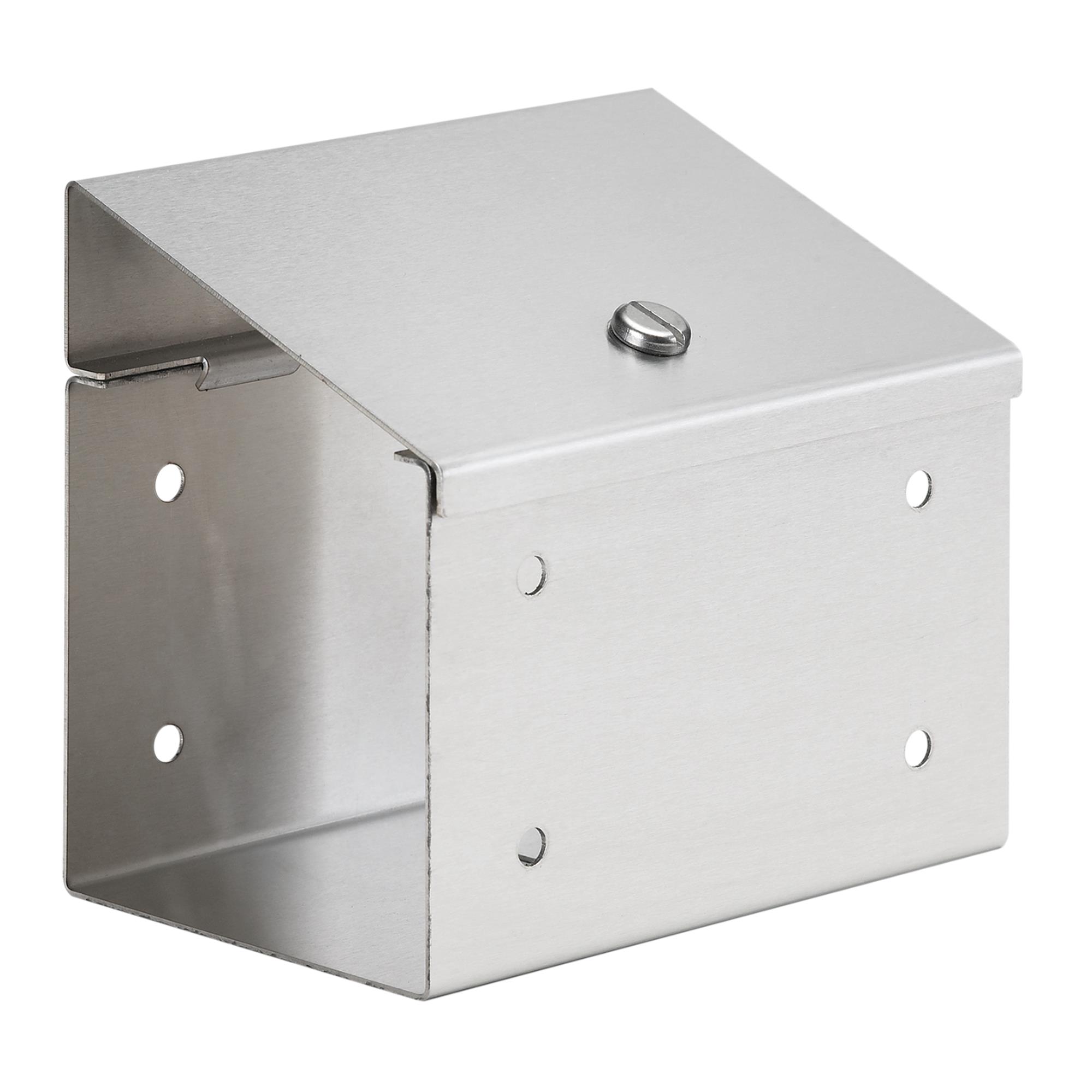
The CTS66PSPSS is a straight section splice designed for the nVent Hoffman Clean Tray wire management system. It features a sloped top perforated design and measures 6 inches in width and 6 inches in length. Constructed from 304 stainless steel, this component provides structural continuity between cable tray sections. The unit is rated for NEMA Type 1 indoor applications and presents a bare surface finish.
Verify that the existing installation utilizes 6-inch wide trays compatible with the Clean Tray series. Confirm that the required material specification matches 304 stainless steel. Ensure the application environment is indoors, as the NEMA Type 1 rating does not support outdoor exposure. Check that the sloped top perforated profile aligns with the surrounding tray components to maintain system integrity.
Select this part when extending or repairing runs of 6-inch wide perforated cable trays. The 304 stainless steel composition is suitable for environments where moderate corrosion resistance is required. This specific splice geometry connects straight sections; other geometries are needed for angles or reducers. Ensure compatibility with the broader Clean Tray accessory ecosystem.
This component belongs to the nVent Hoffman Clean Tray product family, which specializes in stainless steel wire management solutions. The CTS66PSPSS serves as a connector within this modular system, allowing for linear extension of cable pathways. It complements other accessories such as brackets, covers, and dividers to form complete containment structures.
Direct substitutes include the CTS66SPSS, which shares identical dimensions but features a brushed finish rather than a bare surface. Verify that any alternative splice maintains the 6x6 inch footprint and 304 stainless steel material grade to ensure mechanical and chemical compatibility.
 CTS66PSPSS

As 2025 draws to a close, the global semiconductor industry stands at a crossroads. Intertwined with escalating geopolitical tensions, supply chain disruptions, and groundbreaking…
Read More
Recently, global semiconductor manufacturers have been constantly making moves in aspects such as technological cooperation, product manufacturing processes, and market layout, demonstrating the rapid…
Read More
[Shenzhen/Shanghai/Beijing, January 2025] — As global digital transformation accelerates, the electronic components industry has reached a critical inflection point in 2025. Emerging fields such…
Read More
Over the past week, the global electronic components sector has witnessed dual transformations in policy and technology: Coupled with mounting pressure from a worsening…
Read More
Compare RC, crystal and MEMS oscillator circuits. Check ppm, jitter, load capacitance, startup margin and output compatibility before choosing a clock source.
Read More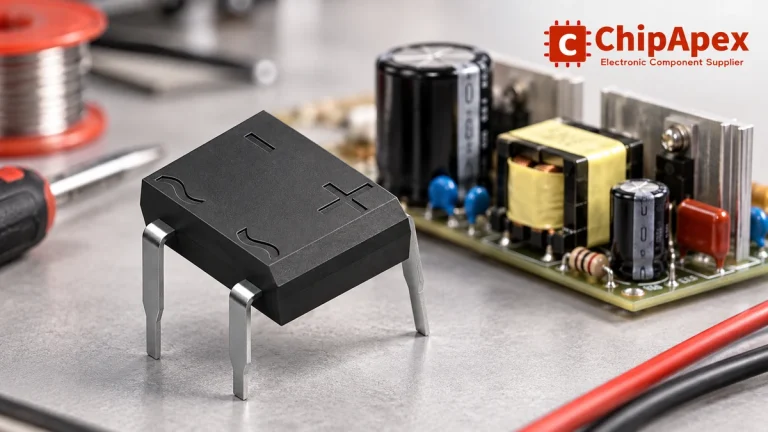
Select a bridge rectifier by reverse voltage, capacitor charging current, startup surge and cooling. Work through a stated DC voltage and ripple example.
Read More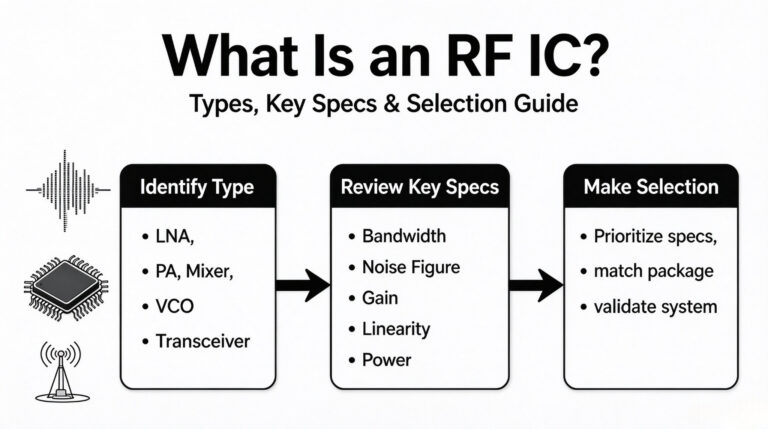
An RF IC, or radio-frequency integrated circuit, is a chip that processes wireless signals between the antenna and the baseband processor. Instead of building…
Read More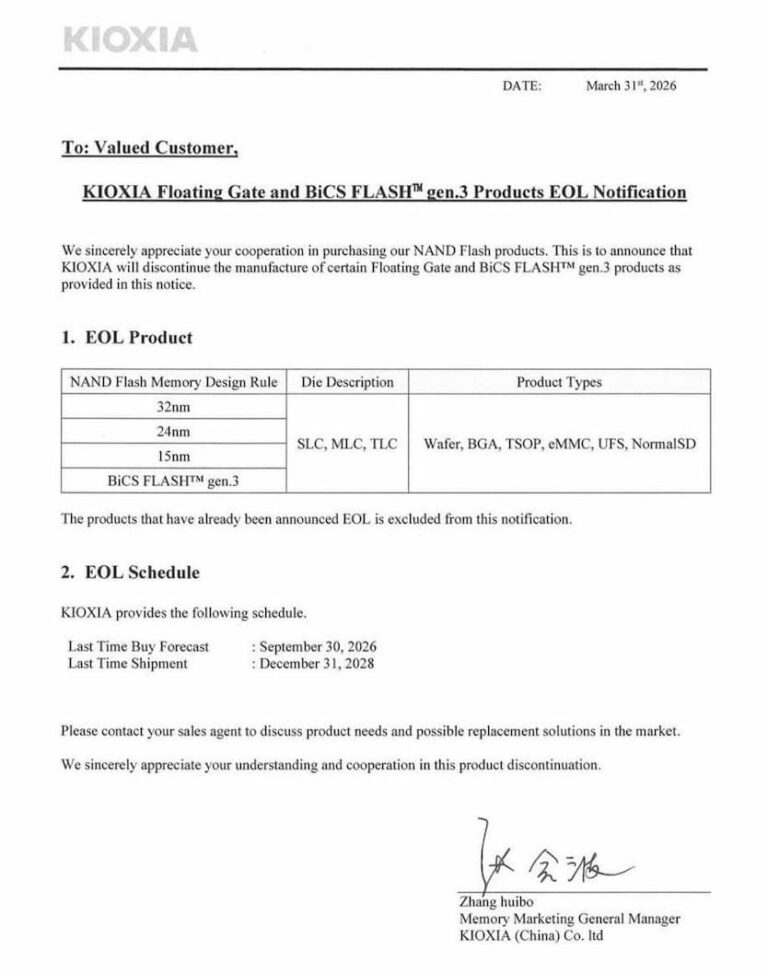
TOKYO, April 1, 2026 – Kioxia Corporation (formerly Toshiba Memory Corporation), a global leader in flash memory and storage solutions, has officially issued a…
Read More
See when an inductor behaves linearly, how DC bias and saturation reduce inductance, and which current and temperature curves to check.
Read More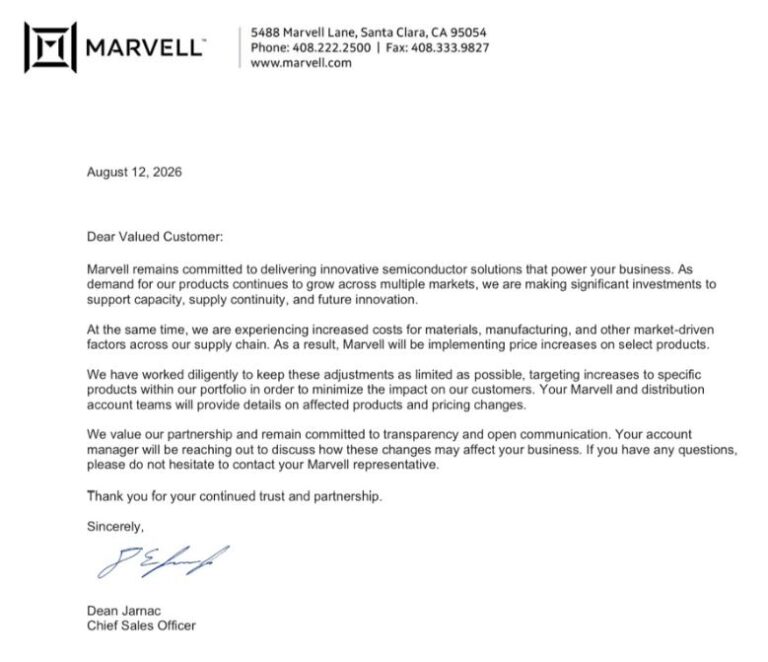
SANTA CLARA, Calif. — Leading semiconductor solution provider Marvell Technology (NASDAQ: MRVL) officially rolled out a selective price adjustment for its core electronic component…
Read More
Compare thermistors, RTDs, thermocouples and temperature ICs. Learn how range, accuracy, response, interfaces and mounting affect component selection.
Read More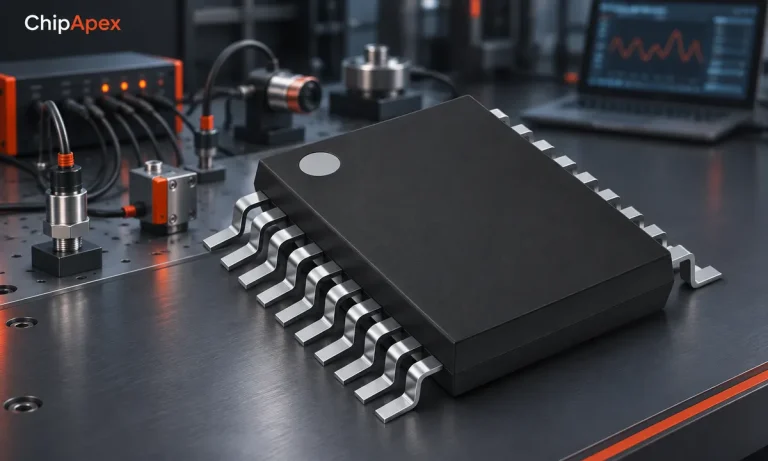
Learn what data acquisition means, from sensors and conditioning to sampling and storage. Review channel timing, wiring, calibration and data quality.
Read More
The activity of extra discounts on wholesale prices is in full swing…
Please fill in your contact information and we will send you the latest wholesale price list.