 ChipApex | Global Electronic Components Supplier

SEARCH
Search Product
Search Post
— IC芯片 | 连接器 | 传感器 | 被动器件 —
Search productSearch post
— IC芯片 | 连接器 | 传感器 | 被动器件 —
Consult the customer manager about the wholesale price.
consultation hotline:86-132-6715-2157
email:[email protected]
Contact the product manager for consultation. One-stop consultation is available.
Do you want a lower wholesale price? Please send us your inquiry and we will reply immediately.
LM2738YMY/NOPB is listed in the Voltage Regulators - DC DC Switching Regulators range at ChipApex. The manufacturer field lists Texas Instruments. Its product description is IC REG BUCK ADJ 1.5A 8HVSSOP. Review the specifications below when checking this part for your BOM.
The LM2738YMY/NOPB is a synchronous step-down DC-DC converter manufactured by Texas Instruments. It operates with an input voltage range of 3 V to 20 V and provides an adjustable output voltage from 800 mV to 18 V. The device delivers up to 1.5 A of output current and supports switching frequencies of 550 kHz or 1.6 MHz. It features a low quiescent current of 1.9 mA and includes shutdown functionality. The component is housed in an 8-pin WSON package and functions within a temperature range of -40°C to +125°C.
Verify the specific suffix against official datasheets to confirm package type and temperature grade. Ensure compatibility with existing PCB footprints for the WSON-8 configuration. Cross-reference part numbers with manufacturer documentation to avoid counterfeit components. Confirm RoHS compliance status through authorized channels before procurement.
Select this component when a compact solution is required for step-down conversion with adjustable frequency options. Consider the 1.5 A current limit and 20 V maximum input voltage for system design constraints. Evaluate thermal performance requirements given the small form factor. Compare against other members of the LM2738 family for specific feature variations.
This part belongs to the LM2738 series of synchronous step-down converters from Texas Instruments. The series is designed for space-constrained applications requiring efficient power regulation. The YMY suffix indicates a specific package variant within the broader product line, distinct from other pinout or thermal configurations available in the same family.
LM2738XSD/NOPB is a documented parameter-equivalent alternative within the same series.
Explore related parts through Power Management (PMIC), Integrated Circuits (ICs), all product categories, ChipApex homepage.
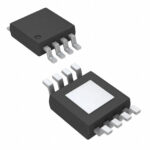 LM2738YMY/NOPB

Select a bridge rectifier by reverse voltage, capacitor charging current, startup surge and cooling. Work through a stated DC voltage and ripple example.
Read More
Learn why PTC resistance rises with temperature, how it differs from NTC, and which ratings matter for sensing and protection.
Read More
LM2738YMY/NOPB is listed in the Voltage Regulators - DC DC Switching Regulators range at ChipApex. The manufacturer field lists Texas Instruments. Its product description…
Read More
LM2738YMY/NOPB is listed in the Voltage Regulators - DC DC Switching Regulators range at ChipApex. The manufacturer field lists Texas Instruments. Its product description…
Read More
LM2738YMY/NOPB is listed in the Voltage Regulators - DC DC Switching Regulators range at ChipApex. The manufacturer field lists Texas Instruments. Its product description…
Read More
LM2738YMY/NOPB is listed in the Voltage Regulators - DC DC Switching Regulators range at ChipApex. The manufacturer field lists Texas Instruments. Its product description…
Read More
LM2738YMY/NOPB is listed in the Voltage Regulators - DC DC Switching Regulators range at ChipApex. The manufacturer field lists Texas Instruments. Its product description…
Read More
LM2738YMY/NOPB is listed in the Voltage Regulators - DC DC Switching Regulators range at ChipApex. The manufacturer field lists Texas Instruments. Its product description…
Read More
LM2738YMY/NOPB is listed in the Voltage Regulators - DC DC Switching Regulators range at ChipApex. The manufacturer field lists Texas Instruments. Its product description…
Read More
LM2738YMY/NOPB is listed in the Voltage Regulators - DC DC Switching Regulators range at ChipApex. The manufacturer field lists Texas Instruments. Its product description…
Read More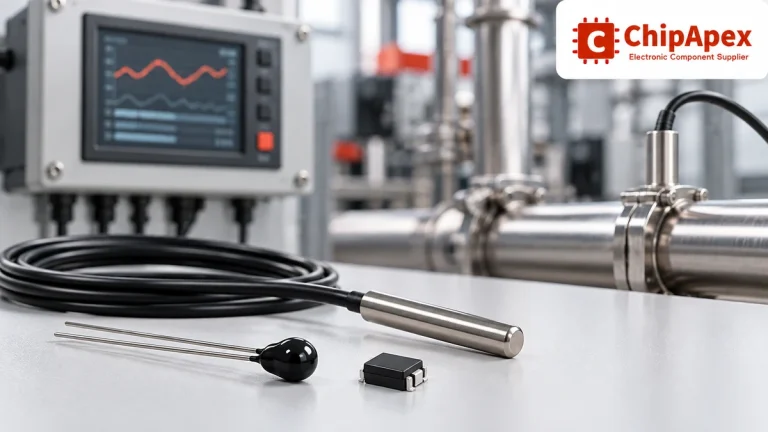
Compare thermistors, RTDs, thermocouples and temperature ICs. Learn how range, accuracy, response, interfaces and mounting affect component selection.
Read More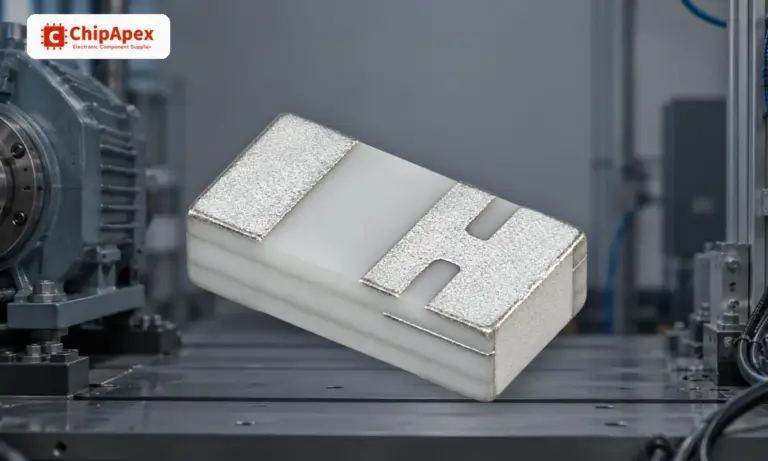
Find out when a bare shock switch needs a pull resistor, when an MCU internal pull-up is enough, and why sensor modules and piezo…
Read More
The activity of extra discounts on wholesale prices is in full swing…
Please fill in your contact information and we will send you the latest wholesale price list.





