 ChipApex | Global Electronic Components Supplier

SEARCH
Search Product
Search Post
— IC芯片 | 连接器 | 传感器 | 被动器件 —
Search productSearch post
— IC芯片 | 连接器 | 传感器 | 被动器件 —
Consult the customer manager about the wholesale price.
consultation hotline:86-132-6715-2157
email:[email protected]
Contact the product manager for consultation. One-stop consultation is available.
Do you want a lower wholesale price? Please send us your inquiry and we will reply immediately.
TLP621XGBSM is listed in the Transistor, Photovoltaic Output Optoisolators range at ChipApex. The manufacturer field lists Isocom Components 2004 LTD. Its product description is OPTOISOLTR 5.3KV 1CH TRANS 4-SMD. Review the specifications below when checking this part for your BOM.
The TLP621XGBSM is a surface-mount transistor output optocoupler manufactured by Isocom Components. It features a single channel with four pins in an SMD package. The device supports a maximum forward current of 50 mA and offers high isolation voltage of 5300 Vrms. Key electrical parameters include a typical rise time of 2 μs, a typical fall time of 3 μs, and a minimum current transfer ratio of 100%. It operates within a temperature range of -30°C to 100°C.
Verify the specific suffix 'XGBSM' against official manufacturer documentation to confirm surface mount type, lead spacing, and any special approvals such as VDE or UL recognition. Ensure compatibility with PCB footprint requirements before procurement.
Select this component when a single-channel, surface-mount optocoupler with high isolation voltage is required. Consider the 50 mA forward current limit and 5300 Vrms isolation rating for appropriate circuit design. Verify thermal performance within the specified operating temperature range.
This part belongs to the TLP621 series of high-density mounting phototransistor optically coupled isolators from Isocom Components. The series includes various configurations for through-hole and surface-mount applications, offering different channel counts and packaging options.
Check for direct substitutes within the TLP621 family, such as TLP621-4GB for DIP packages, if surface mount is not mandatory. Verify pinout compatibility and electrical specifications before substituting with other manufacturers' equivalents.
The TLP621XGBSM has an isolation voltage rating of 5300 Vrms.
Yes, the TLP621XGBSM is RoHS compliant.
Explore related parts through Optocouplers, Optoisolators, Isolators, all product categories, ChipApex homepage.
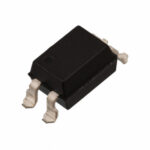 TLP621XGBSM

TLP621XGBSM is listed in the Transistor, Photovoltaic Output Optoisolators range at ChipApex. The manufacturer field lists Isocom Components 2004 LTD. Its product description is…
Read More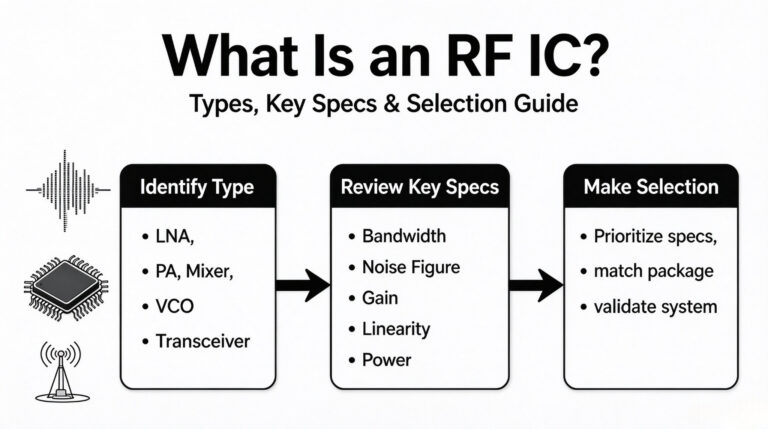
TLP621XGBSM is listed in the Transistor, Photovoltaic Output Optoisolators range at ChipApex. The manufacturer field lists Isocom Components 2004 LTD. Its product description is…
Read More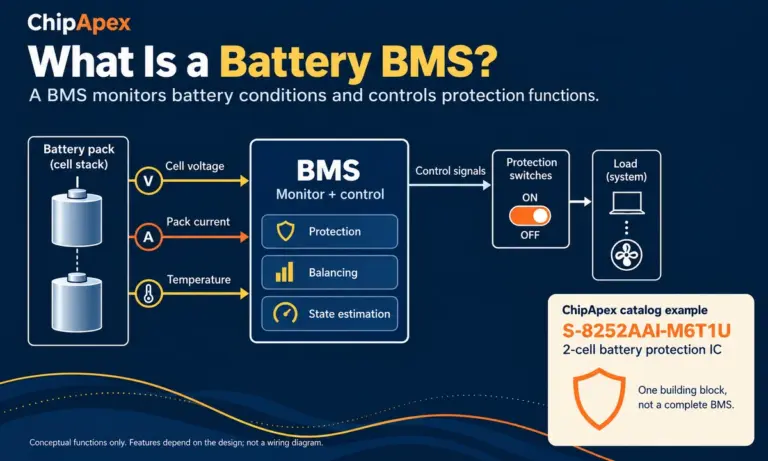
Learn what a battery BMS does, how protection differs from charging, and which pack specifications to check when sourcing BMS components through ChipApex.
Read More
TLP621XGBSM is listed in the Transistor, Photovoltaic Output Optoisolators range at ChipApex. The manufacturer field lists Isocom Components 2004 LTD. Its product description is…
Read More
TLP621XGBSM is listed in the Transistor, Photovoltaic Output Optoisolators range at ChipApex. The manufacturer field lists Isocom Components 2004 LTD. Its product description is…
Read More
TLP621XGBSM is listed in the Transistor, Photovoltaic Output Optoisolators range at ChipApex. The manufacturer field lists Isocom Components 2004 LTD. Its product description is…
Read More
TLP621XGBSM is listed in the Transistor, Photovoltaic Output Optoisolators range at ChipApex. The manufacturer field lists Isocom Components 2004 LTD. Its product description is…
Read More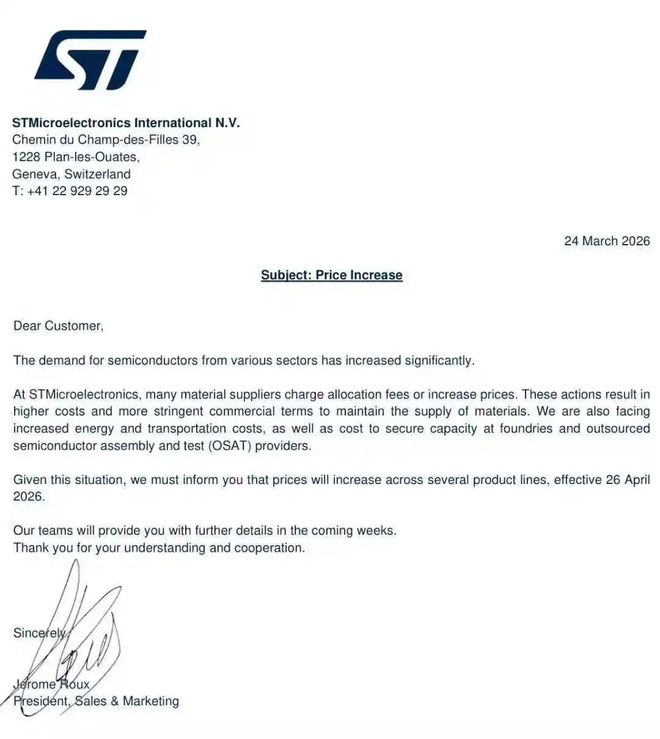
TLP621XGBSM is listed in the Transistor, Photovoltaic Output Optoisolators range at ChipApex. The manufacturer field lists Isocom Components 2004 LTD. Its product description is…
Read More
TLP621XGBSM is listed in the Transistor, Photovoltaic Output Optoisolators range at ChipApex. The manufacturer field lists Isocom Components 2004 LTD. Its product description is…
Read More
TLP621XGBSM is listed in the Transistor, Photovoltaic Output Optoisolators range at ChipApex. The manufacturer field lists Isocom Components 2004 LTD. Its product description is…
Read More
Choose a vibration sensor for machine monitoring. Compare sensing methods, bandwidth, noise and mounting, then define the signal-chain requirements.
Read More
See when an inductor behaves linearly, how DC bias and saturation reduce inductance, and which current and temperature curves to check.
Read More
The activity of extra discounts on wholesale prices is in full swing…
Please fill in your contact information and we will send you the latest wholesale price list.






