ChipApex | Global Electronic Components Supplier

SEARCH
Search Product
Search Post
— IC芯片 | 连接器 | 传感器 | 被动器件 —
Search productSearch post
— IC芯片 | 连接器 | 传感器 | 被动器件 —
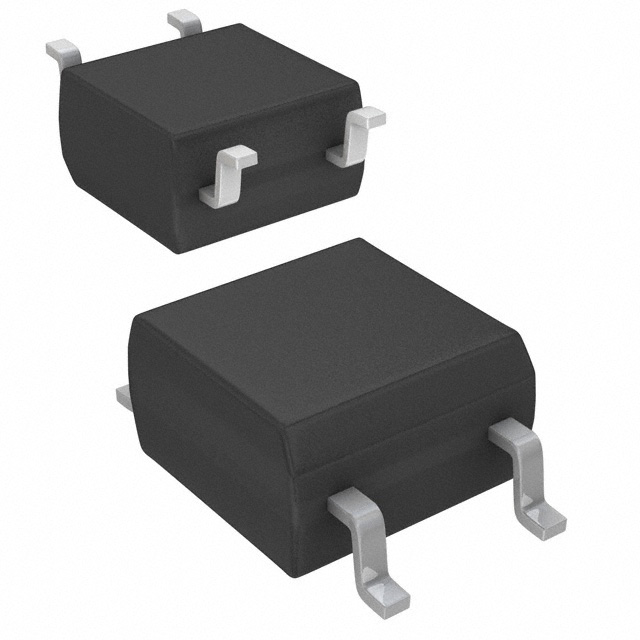
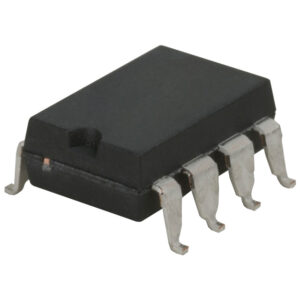
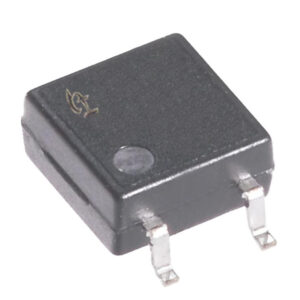
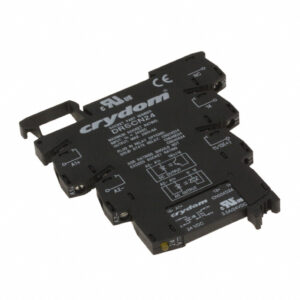
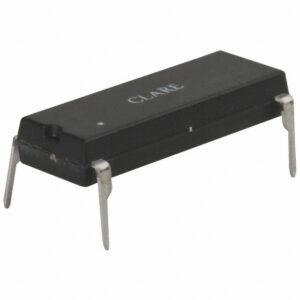
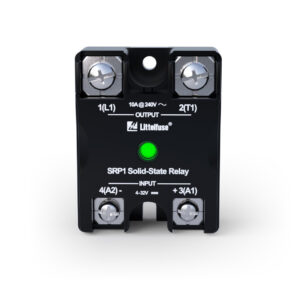
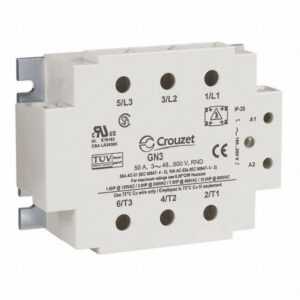
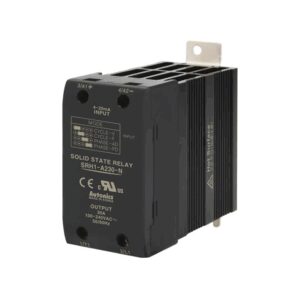
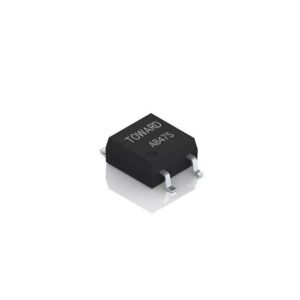
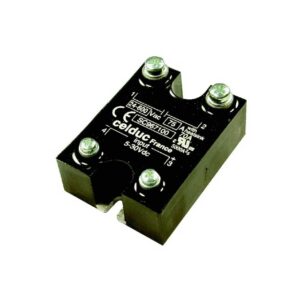
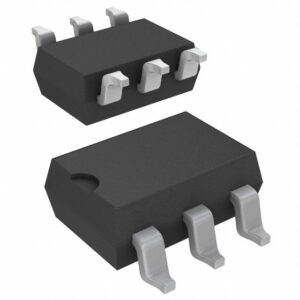
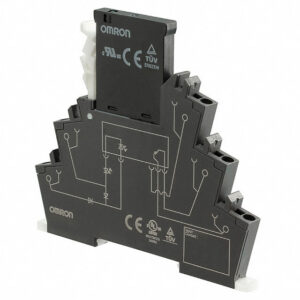
A solid state relay (SSR) is an electronic switching device that switches on or off when an external voltage is applied across its control terminals. Unlike traditional electromagnetic relays, SSRs have no moving parts and rely on semiconductor components like thyristors, triacs, diodes, and transistors to perform switching operations. Key features and benefits of solid state relays include: Durability and Longevity: Without mechanical parts, SSRs have a longer operational life and are less prone to wear and tear. Fast Switching: SSRs can switch on and off rapidly, making them suitable for applications requiring high-speed operation. Silent Operation: The absence of mechanical movement results in noiseless switching. Vibration Resistance: Their solid-state nature makes SSRs resistant to shock and vibration, enhancing reliability in harsh environments. Reduced Electromagnetic Interference (EMI): SSRs generate less EMI compared to electromagnetic relays. Solid state relays are commonly used in applications where fast switching, silent operation, and high reliability are required, such as in industrial automation, HVAC systems, lighting controls, and home appliances. They are available in various configurations to handle different voltage and current levels, providing flexibility in design and usage.

Tokyo / Munich / Tessenderlo, December 24, 2025As the global semiconductor industry enters the first year of the 2nm process era, international electronic component…
Read More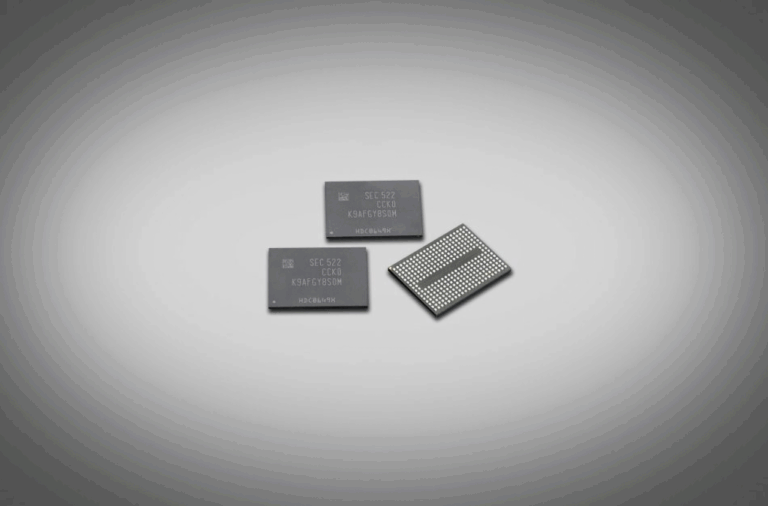
Date: May 13, 2026 The global memory industry is facing an unprecedented supply crunch in legacy MLC NAND Flash. Leading manufacturers including Samsung Electronics…
Read More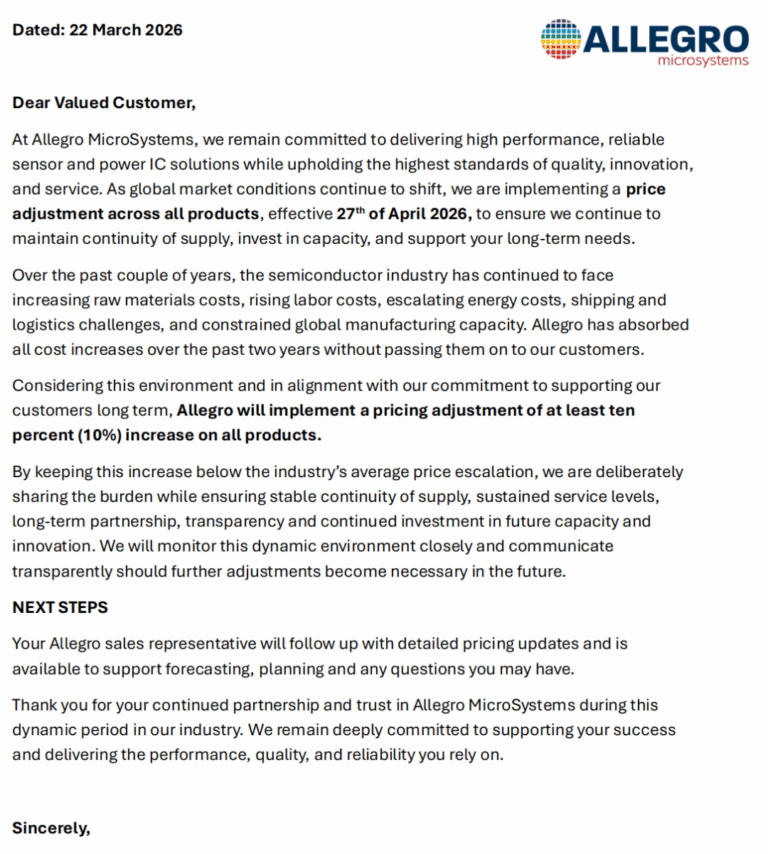
Manchester, New Hampshire, USA – March 22, 2026 – Allegro MicroSystems, Inc. (Nasdaq: ALGM), a global leader in high-performance power and sensing semiconductor solutions…
Read More
PLANO, Texas – March 20, 2026 – Diodes Incorporated (Nasdaq: DIOD), a leading global manufacturer and supplier of high-quality application-specific standard products in the…
Read More
Understand how a comparator switches at a voltage threshold, why hysteresis prevents chatter, and which output and input specs matter.
Read More
As the backbone of modern technology, electronic components are undergoing revolutionary changes, driven by advancements in materials science, miniaturization, and smart manufacturing. From ultra-efficient…
Read More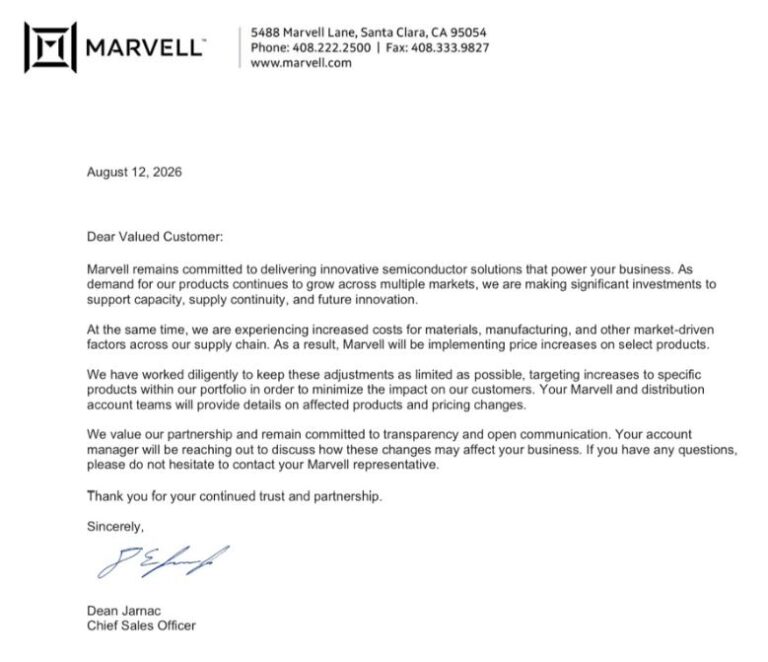
SANTA CLARA, Calif. — Leading semiconductor solution provider Marvell Technology (NASDAQ: MRVL) officially rolled out a selective price adjustment for its core electronic component…
Read More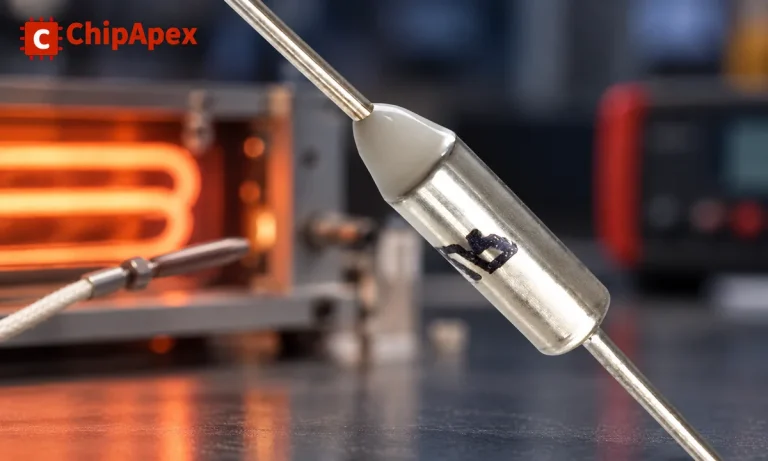
Understand thermal fuse operation, Tf, Th and Tm, electrical ratings and mounting. Check temperature limits and replacement requirements for your design.
Read More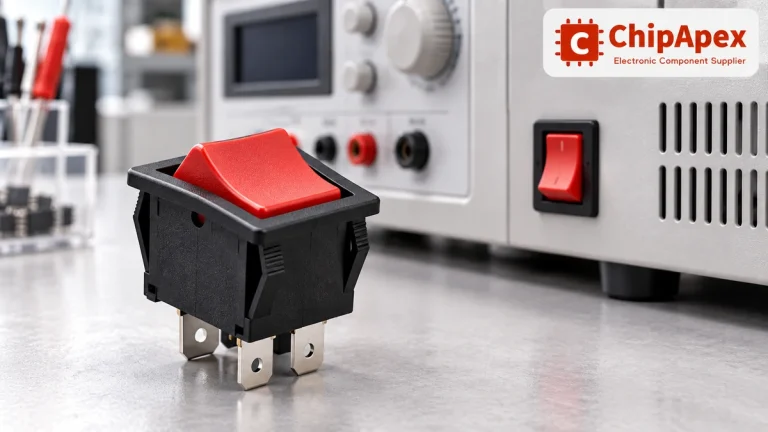
Choose a rocker switch by AC/DC ratings, contact arrangement, illumination, panel fit and sealing. Get practical checks for engineering and component sourcing.
Read More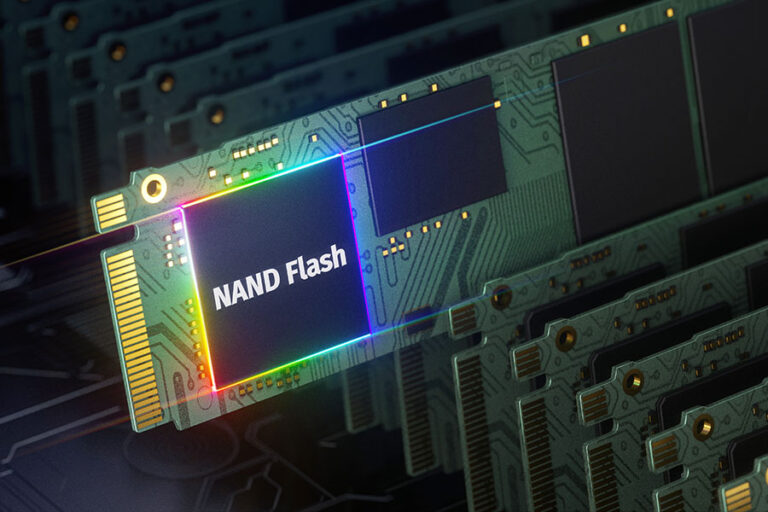
What Is NAND Flash? A Practical Guide for Engineers & Procurement Teams In today’s data-driven world—from smartphones and SSDs to industrial IoT devices—NAND flash…
Read More
Compare RC, crystal and MEMS oscillator circuits. Check ppm, jitter, load capacitance, startup margin and output compatibility before choosing a clock source.
Read More
As 2025 draws to a close, the global semiconductor industry stands at a crossroads. Intertwined with escalating geopolitical tensions, supply chain disruptions, and groundbreaking…
Read More
The activity of extra discounts on wholesale prices is in full swing…
Please fill in your contact information and we will send you the latest wholesale price list.