 ChipApex | Global Electronic Components Supplier

SEARCH
Search Product
Search Post
— IC芯片 | 连接器 | 传感器 | 被动器件 —
Search productSearch post
— IC芯片 | 连接器 | 传感器 | 被动器件 —
Consult the customer manager about the wholesale price.
consultation hotline:86-132-6715-2157
email:[email protected]
Contact the product manager for consultation. One-stop consultation is available.
Do you want a lower wholesale price? Please send us your inquiry and we will reply immediately.
The Phoenix Contact 1405223 is an SACC-DSI-FSX-8CON-PG9-L180 BH rear-mounting device connector featuring eight positions with X-coding. It utilizes a socket contact connection type and is designed for wave soldering assembly. The unit includes a PG9 cable entry and specifies a tightening torque range of 2 Nm to 3 Nm.
Verify the specific suffix BH against project requirements, as it denotes particular material or compliance attributes. Confirm that the wave soldering process aligns with your PCB assembly capabilities. Ensure the PG9 strain relief matches the incoming cable diameter specifications to maintain proper sealing and mechanical stability during operation.
Select this component when an X-coded eight-pin interface is required for high-speed data transmission in industrial environments. The rear-mounting style simplifies panel installation compared to front-mount alternatives. Verify that the wave soldering requirement fits your manufacturing workflow before choosing this variant over crimp-style options.
This part belongs to the Phoenix Contact SACC series of pre-assembled sensor cables and device connectors. The series provides standardized interfaces for connecting field devices to control systems. The specific model integrates the connector housing with defined pin counts and coding schemes to prevent misconnection in complex wiring setups.
Cross-reference with other Phoenix Contact SACC models sharing the same 8-position X-coded configuration. Ensure any substitute maintains the rear-mounting form factor and wave soldering compatibility to fit existing PCB layouts without redesign.
 1405223

Choose tactile switches by operating force, travel, actuator height, footprint and lifetime. Check debounce, sealing and the assembled button mechanism.
Read More
See when an inductor behaves linearly, how DC bias and saturation reduce inductance, and which current and temperature curves to check.
Read More
Learn how rectifiers convert AC to DC, compare half-wave and bridge circuits, and select voltage, current, recovery and thermal ratings for your design.
Read More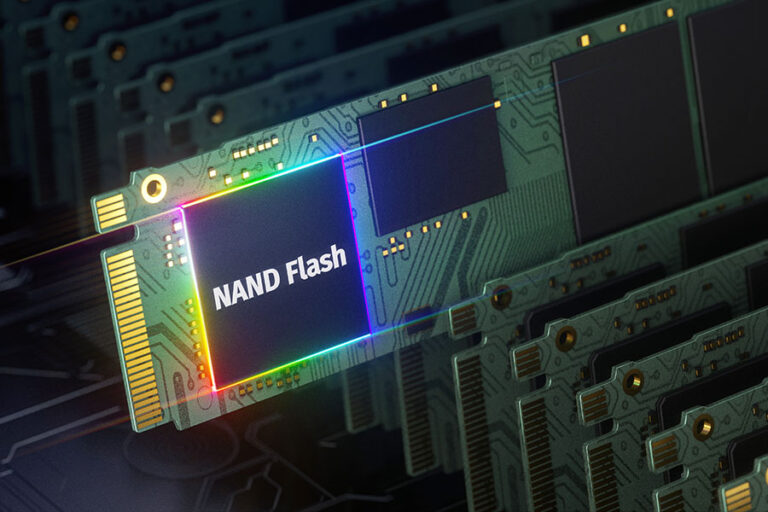
What Is NAND Flash? A Practical Guide for Engineers & Procurement Teams In today’s data-driven world—from smartphones and SSDs to industrial IoT devices—NAND flash…
Read More
[Shenzhen/Shanghai/Beijing, January 2025] — As global digital transformation accelerates, the electronic components industry has reached a critical inflection point in 2025. Emerging fields such…
Read More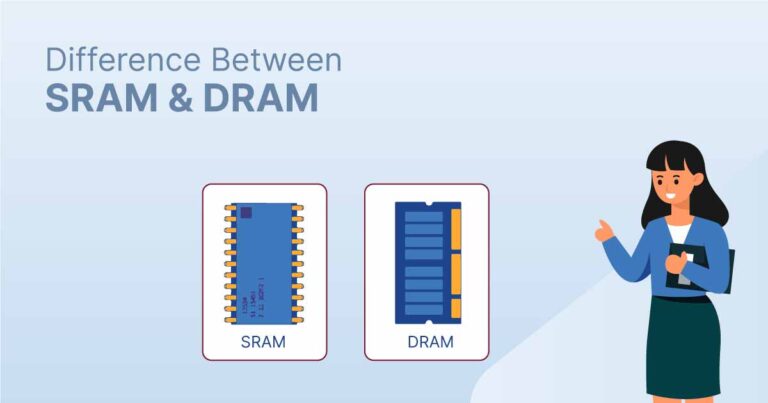
In an era dominated by AI accelerators with terabytes of HBM memory and consumer devices racing toward LPDDR5X bandwidth, it’s easy to wonder: why…
Read More
Learn how a diode conducts, how to identify anode and cathode, and when to choose rectifier, TVS, Zener or photodiode types for a circuit.
Read More
On October 1, 2025 local time, OpenAI, an artificial intelligence research company, announced the establishment of a cooperative relationship with Samsung Electronics and SK…
Read More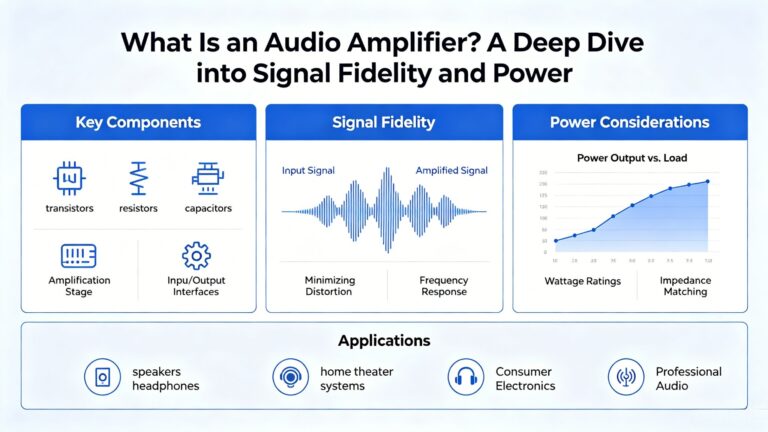
In the world of embedded electronics, getting a device to “think” is only half the battle. The other half is getting it to communicate…
Read More
On September 22nd, it was reported that Samsung Electronics, the South Korean tech giant, had successfully passed NVIDIA’s certification test for its 12-layer HBM3E…
Read More
Recently, a survey by the Electronic Components Industry Association (ECIA) revealed that the sales sentiment of global electronic components remained optimistic in the third…
Read More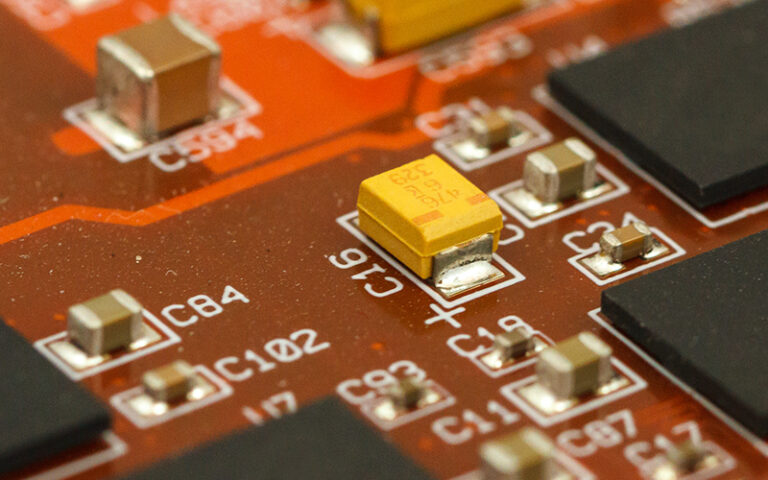
The global electronics industry is facing an escalating shortage of tantalum capacitors, a critical passive component, as surging demand from AI servers, automotive electronics,…
Read More
The activity of extra discounts on wholesale prices is in full swing…
Please fill in your contact information and we will send you the latest wholesale price list.




