 ChipApex | Global Electronic Components Supplier

SEARCH
Search Product
Search Post
— IC芯片 | 连接器 | 传感器 | 被动器件 —
Search productSearch post
— IC芯片 | 连接器 | 传感器 | 被动器件 —
Consult the customer manager about the wholesale price.
consultation hotline:86-132-6715-2157
email:[email protected]
Contact the product manager for consultation. One-stop consultation is available.
Do you want a lower wholesale price? Please send us your inquiry and we will reply immediately.
74LV367D,112 is listed in the Buffers, Drivers, Receivers, Transceivers range at ChipApex. The manufacturer field lists NXP USA Inc.. Its product description is IC BUFFER NON-INVERT 3.6V 16SO. Review the specifications below when checking this part for your BOM.
The NXP USA Inc. 74LV367D,112 is a hex non-inverting buffer and line driver featuring three-state outputs. It operates within a supply voltage range of 1.0V to 3.6V and accepts TTL input levels between VCC = 2.7V and VCC = 3.6V. The device utilizes a 16-pin Plastic SO package (SOT109-1) and supports an operating temperature range from -40°C to +125°C. Key electrical parameters include a typical propagation delay of 8ns at 3.3V with 15pF load, input capacitance of 3.5pF, and power dissipation capacitance of 30pF per buffer.
Verify the specific ordering suffix '112' against current Nexperia/NXP documentation to confirm packaging and tape/reel specifications. Confirm RoHS compliance status as required by your manufacturing standards. Ensure the 16-SOIC package dimensions match your PCB footprint requirements. Check for any recent product change notices or lifecycle status updates directly from the manufacturer.
Select this component when a hex buffer with high-impedance state control is required for low-voltage digital circuits. It serves as a direct functional replacement for the 74HC367 and 74HCT367 in compatible designs. Consider its low power dissipation characteristics and wide operating temperature range for industrial environments. Verify that the 3.6V maximum supply voltage aligns with your system's power rails.
This part belongs to the 74LV series of low-voltage CMOS logic devices manufactured by NXP (formerly Philips Semiconductors). The 74LV family is designed for operation down to 1.0V while maintaining compatibility with standard logic interfaces. The 74LV367 specifically provides six independent buffers, making it suitable for parallel data path management in microprocessor and memory systems.
Public confirmed substitute part numbers: 74LV367D,118.
Explore related parts through Logic, Integrated Circuits (ICs), all product categories, ChipApex homepage.
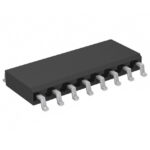 74LV367D,112
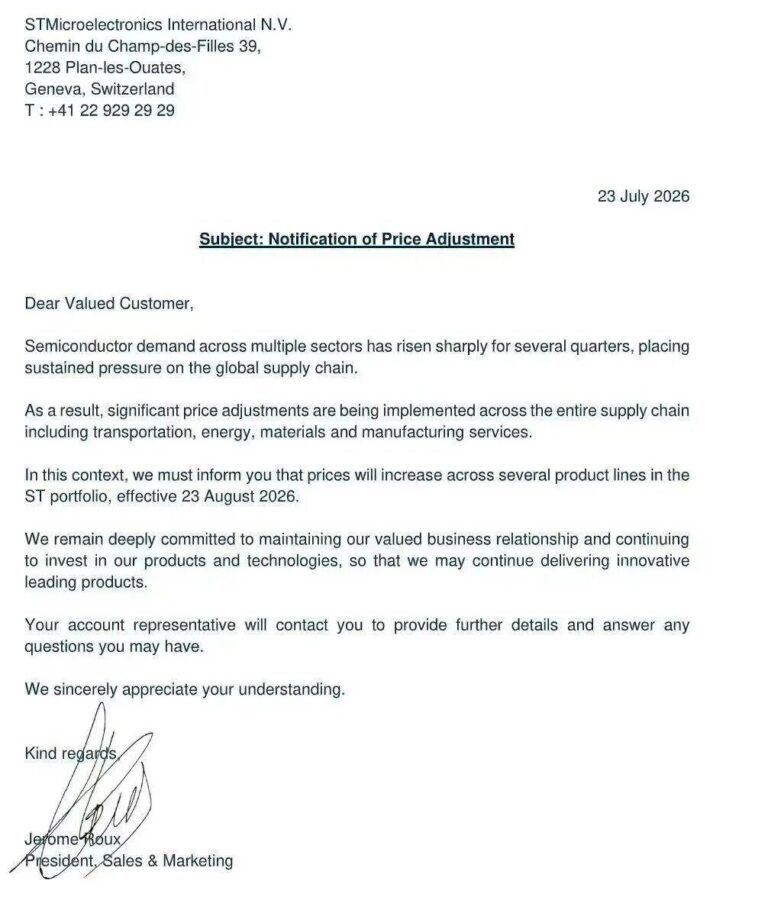
74LV367D,112 is listed in the Buffers, Drivers, Receivers, Transceivers range at ChipApex. The manufacturer field lists NXP USA Inc.. Its product description is IC…
Read More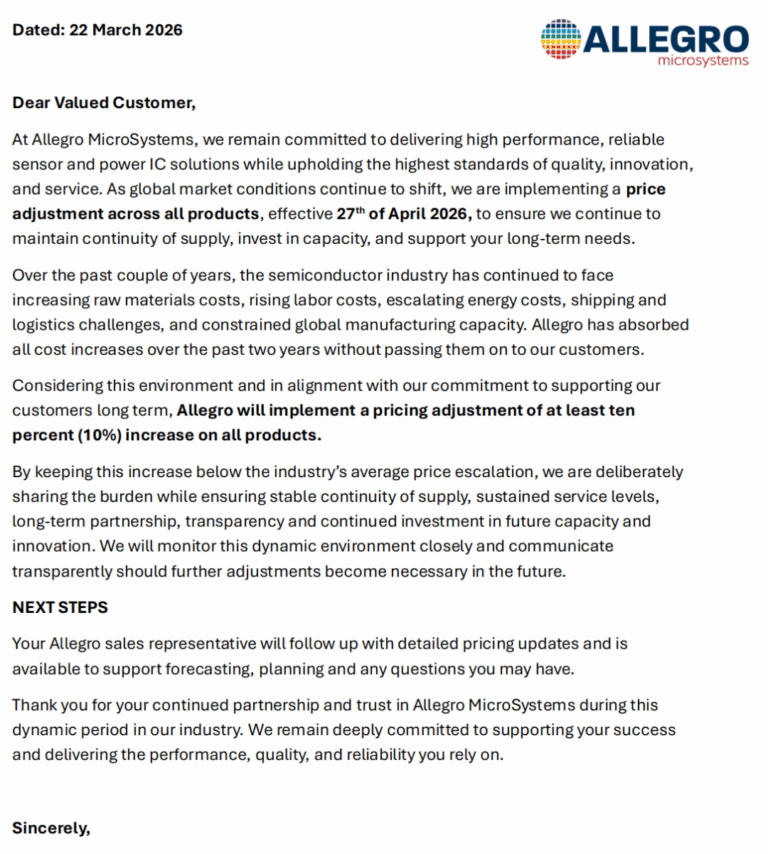
74LV367D,112 is listed in the Buffers, Drivers, Receivers, Transceivers range at ChipApex. The manufacturer field lists NXP USA Inc.. Its product description is IC…
Read More
Learn how a pressure transducer converts pressure into voltage, current, or digital output, and compare pressure references and key selection specs.
Read More
Understand how oscillators generate timing signals, how they differ from crystals, and which frequency, output and stability specs matter when choosing one.
Read More
74LV367D,112 is listed in the Buffers, Drivers, Receivers, Transceivers range at ChipApex. The manufacturer field lists NXP USA Inc.. Its product description is IC…
Read More
74LV367D,112 is listed in the Buffers, Drivers, Receivers, Transceivers range at ChipApex. The manufacturer field lists NXP USA Inc.. Its product description is IC…
Read More
74LV367D,112 is listed in the Buffers, Drivers, Receivers, Transceivers range at ChipApex. The manufacturer field lists NXP USA Inc.. Its product description is IC…
Read More
74LV367D,112 is listed in the Buffers, Drivers, Receivers, Transceivers range at ChipApex. The manufacturer field lists NXP USA Inc.. Its product description is IC…
Read More
74LV367D,112 is listed in the Buffers, Drivers, Receivers, Transceivers range at ChipApex. The manufacturer field lists NXP USA Inc.. Its product description is IC…
Read More
Find out when a bare shock switch needs a pull resistor, when an MCU internal pull-up is enough, and why sensor modules and piezo…
Read More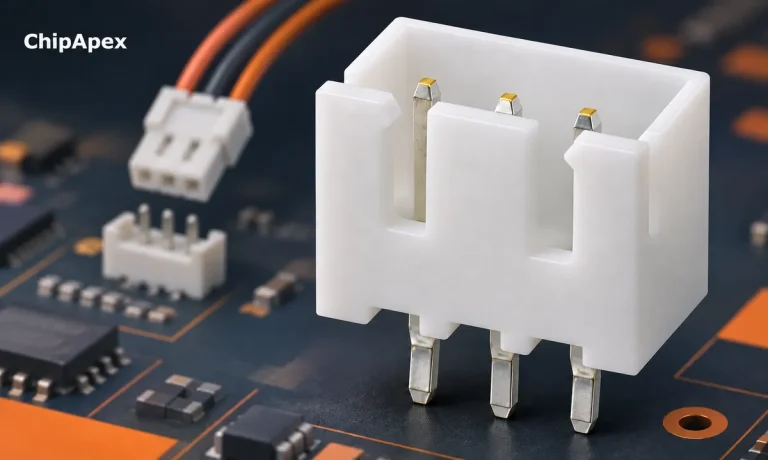
Choose a pin header by pitch, mating geometry, current rating and mounting. Learn why matching pin count and spacing does not guarantee compatibility.
Read More
Compare RC, crystal and MEMS oscillator circuits. Check ppm, jitter, load capacitance, startup margin and output compatibility before choosing a clock source.
Read More
The activity of extra discounts on wholesale prices is in full swing…
Please fill in your contact information and we will send you the latest wholesale price list.





