ChipApex | Global Electronic Components Supplier

SEARCH
Search Product
Search Post
— IC芯片 | 连接器 | 传感器 | 被动器件 —
Search productSearch post
— IC芯片 | 连接器 | 传感器 | 被动器件 —
Consult the customer manager about the wholesale price.
consultation hotline:86-132-6715-2157
email:[email protected]
Contact the product manager for consultation. One-stop consultation is available.
Do you want a lower wholesale price? Please send us your inquiry and we will reply immediately.
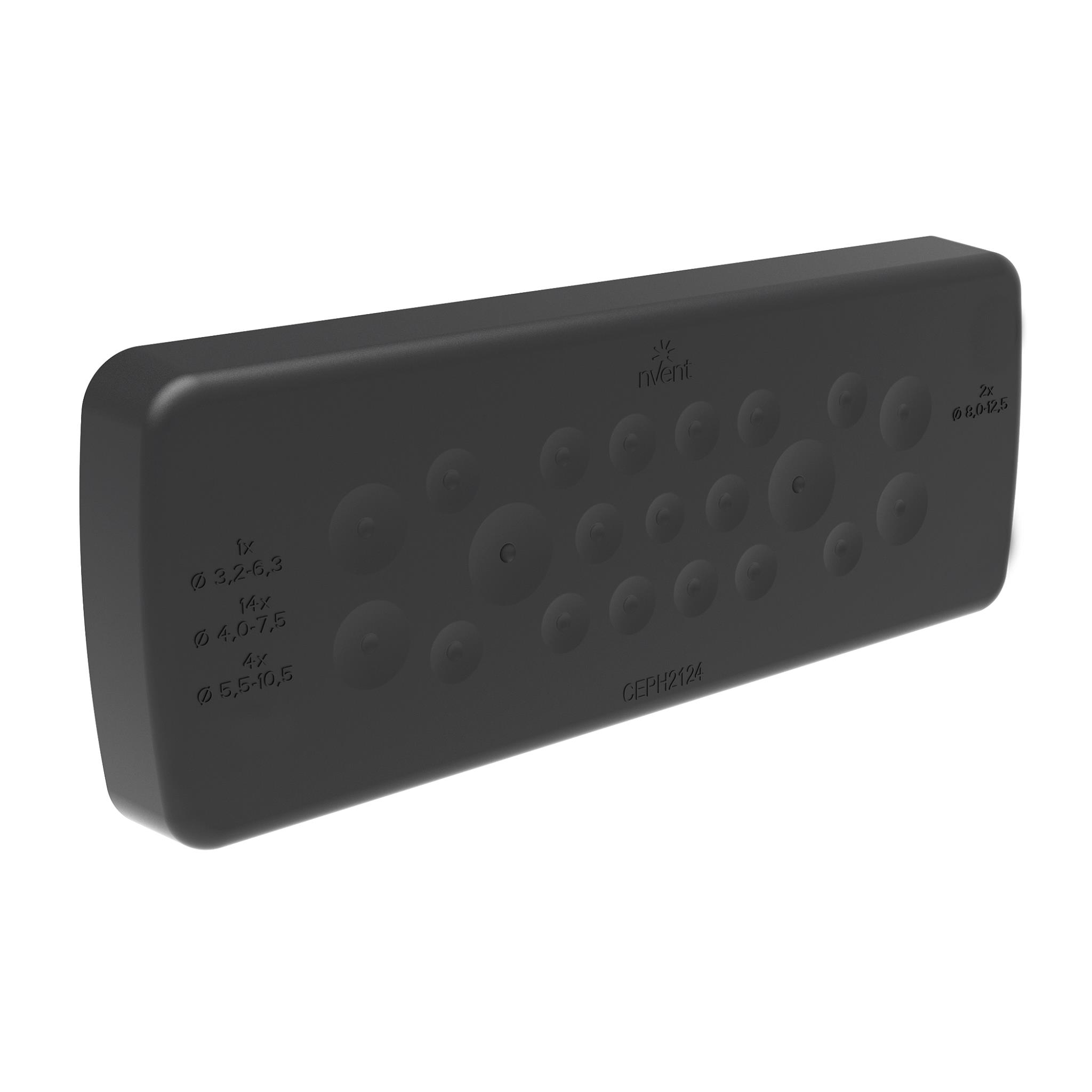
The CEPH1324 is a rectangular gland plate manufactured by Nvent Hoffman, designed for use with the 13 Cable Entry Industrial Enclosures. It features a black finish and is constructed from plastic material. The component measures 58mm in width, 150mm in depth, and 12mm in height (equivalent to 2.28 inches high, 5.89 inches wide, and 0.47 inches deep). It provides 13 cable entry openings to facilitate organized wiring within industrial enclosure systems.
Verify that the target enclosure system matches the Nvent Hoffman 13 Cable Entry series to ensure physical compatibility. Confirm that the required number of cable entries aligns with the unit's 13-opening specification. Check regional availability as distribution may vary by location. Ensure the black plastic construction meets environmental requirements for the intended installation site.
Select this part when utilizing Nvent Hoffman 13 Cable Entry enclosures and requiring a pre-drilled solution for multiple cables. The fixed 13-entry configuration limits flexibility compared to blank plates but offers immediate readiness. Consider the specific dimensional constraints of 58x150x12mm to ensure fit within the designated enclosure footprint. Verify that the plastic material properties are suitable for the operating environment.
This component belongs to the CEPH Series of gland plates produced by Nvent Hoffman. It serves as an accessory for the broader 13 Cable Entry Industrial Enclosure line. The product is categorized under cable management accessories and is manufactured in Germany. It functions as a specialized interface plate rather than a standalone enclosure.
No public confirmed substitute part numbers are available in the provided documentation. Users must verify exact dimensional and mounting hole alignment if considering alternative gland plates from other manufacturers.
 CEPH1324
On September 22nd, it was reported that Samsung Electronics, the South Korean tech giant, had successfully passed NVIDIA’s certification test for its 12-layer HBM3E…
Read More
Learn how a JFET works and how to compare bias, leakage, noise and pinout. Review practical selection questions for high-impedance analog circuits.
Read More
As the backbone of modern technology, electronic components are undergoing revolutionary changes, driven by advancements in materials science, miniaturization, and smart manufacturing. From ultra-efficient…
Read More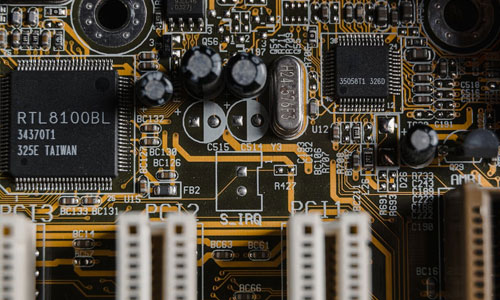
The rapid advancement of artificial intelligence (AI) is transforming industries across the globe, and the world of electronic components is no exception. From smarter…
Read More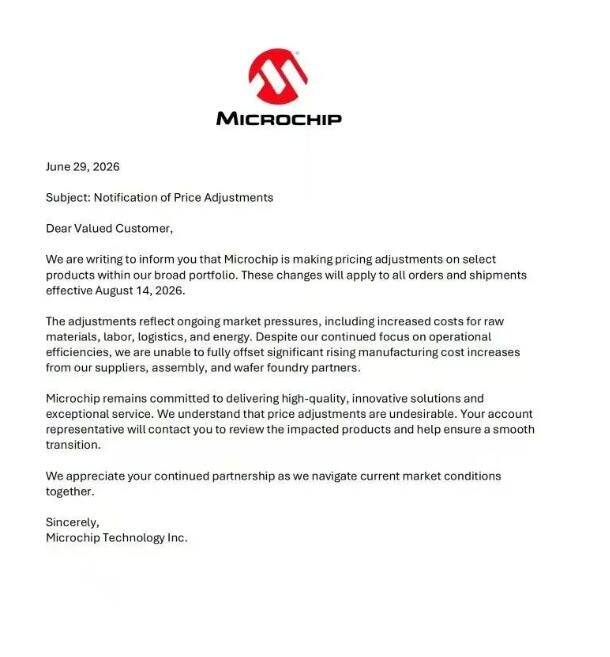
Tempe, Arizona‑based semiconductor giant Microchip Technology has formally rolled out selective product price increases across its MCU, power‑management IC, memory controller and analog component…
Read More
Wilmington, Mass. & Milpitas, Calif. – May 19, 2026 – Analog Devices, Inc. (NASDAQ: ADI), a global leader in high-performance analog and mixed-signal semiconductors,…
Read More
Understand tactile switches, PCB and keyboard differences, four-pin wiring, debounce, force, travel and replacement checks for reliable control inputs.
Read More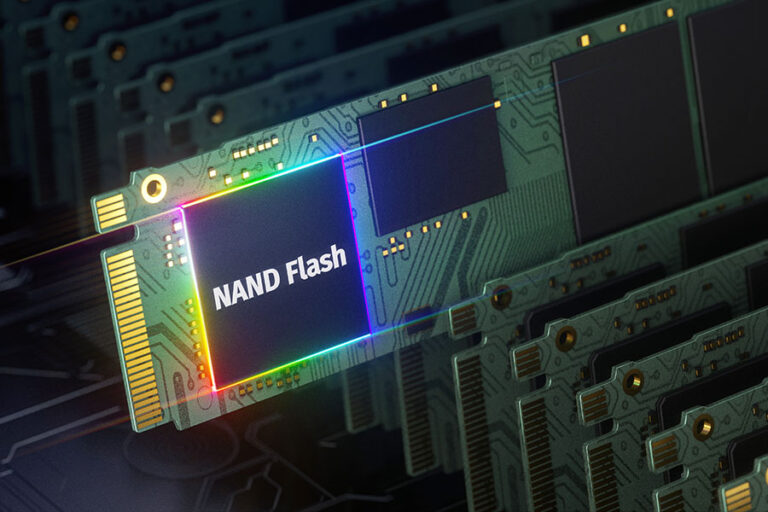
What Is NAND Flash? A Practical Guide for Engineers & Procurement Teams In today’s data-driven world—from smartphones and SSDs to industrial IoT devices—NAND flash…
Read More
Learn the relay definition, coil and contact operation, NO and NC forms, load ratings and suppression choices. Compare mechanical, reed and solid-state types.
Read More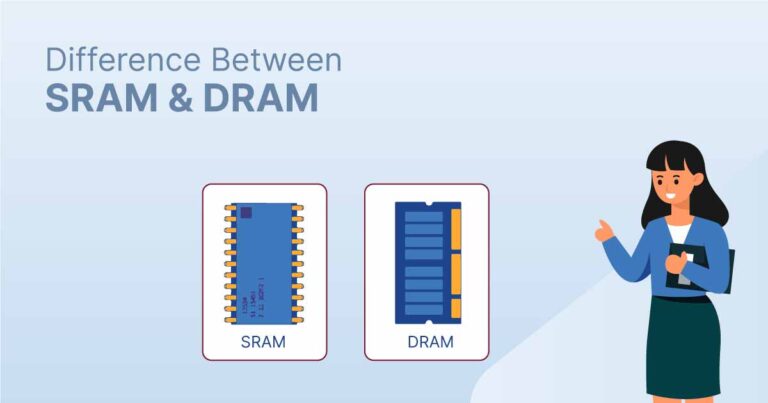
In an era dominated by AI accelerators with terabytes of HBM memory and consumer devices racing toward LPDDR5X bandwidth, it’s easy to wonder: why…
Read More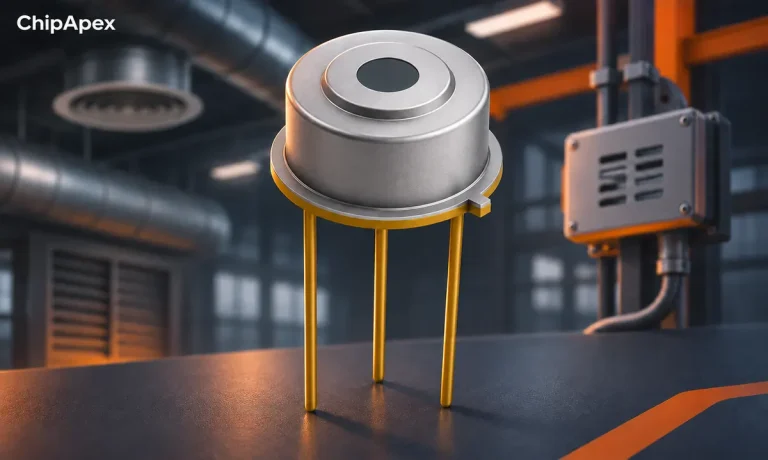
Compare gas sensor technologies, cross-sensitivity and calibration needs. Define the gas, range and environment before choosing a sensing component.
Read More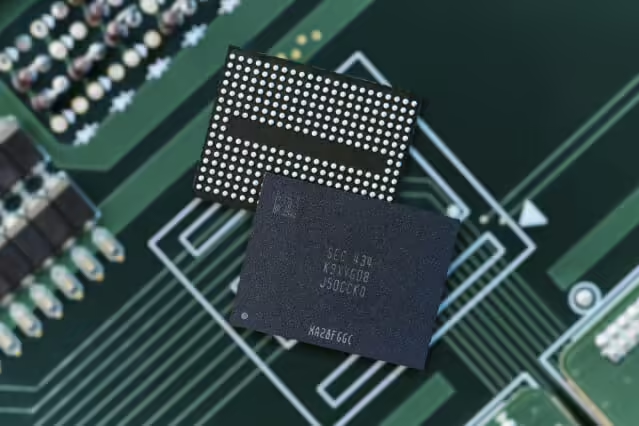
Recently, the global electronic component market has witnessed complex and changeable trends. In the memory chip sector, the wave of price increases continues to…
Read More
The activity of extra discounts on wholesale prices is in full swing…
Please fill in your contact information and we will send you the latest wholesale price list.