ChipApex | Global Electronic Components Supplier

SEARCH
Search Product
Search Post
— IC芯片 | 连接器 | 传感器 | 被动器件 —
Search productSearch post
— IC芯片 | 连接器 | 传感器 | 被动器件 —
Consult the customer manager about the wholesale price.
consultation hotline:86-132-6715-2157
email:[email protected]
Contact the product manager for consultation. One-stop consultation is available.
Do you want a lower wholesale price? Please send us your inquiry and we will reply immediately.
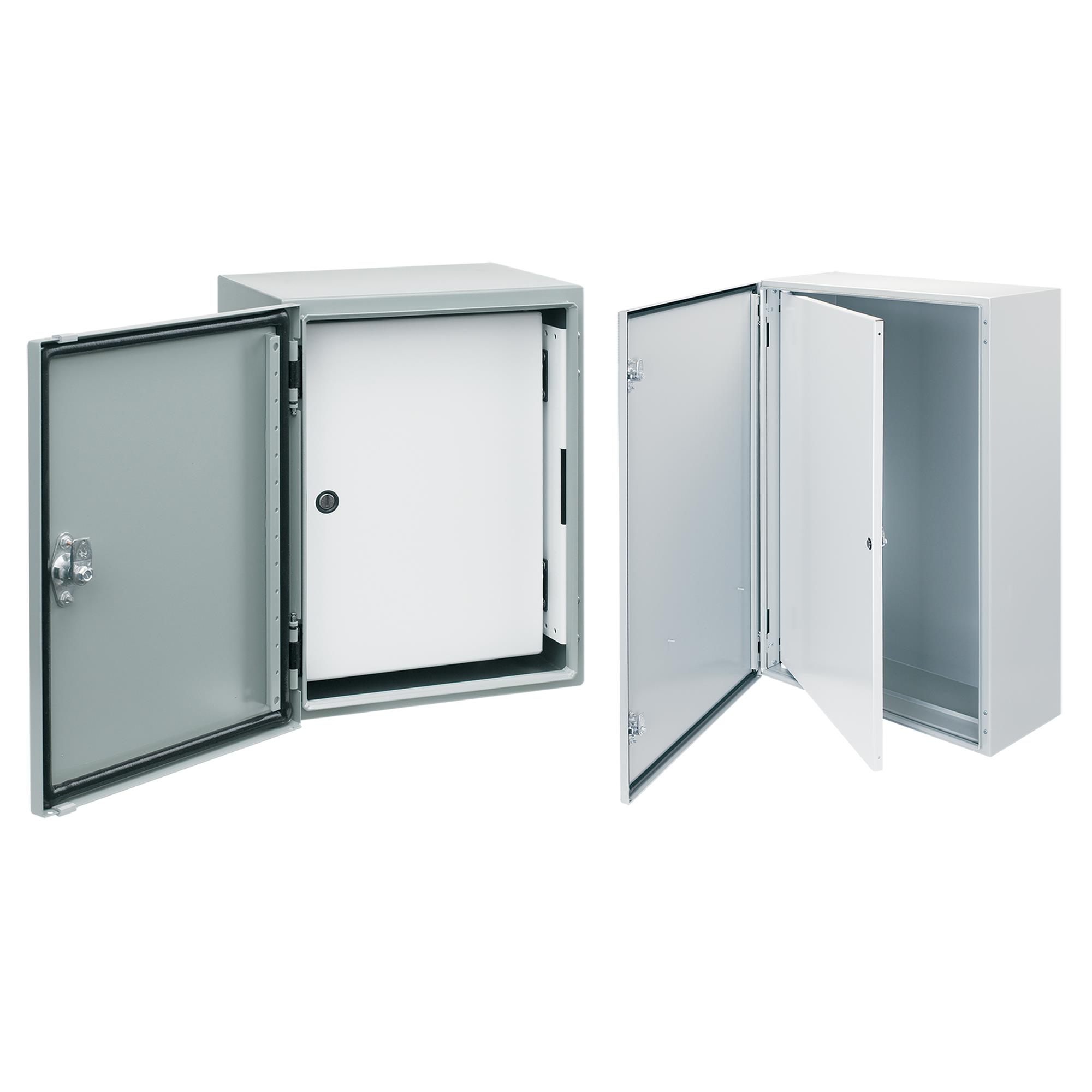
The Hoffman Enclosures CSPB1212 is a Concept Swing-Out Panel designed for use with 12.00 x 12.00 inch enclosures. Constructed from mild steel with a white powder-coated finish, the panel measures approximately 9.75 inches in width and 9.72 to 9.84 inches in height. It allows panels to swing clear of the enclosure front, providing unobstructed access to internal equipment. The maximum swing angle is 94 degrees, and the distance from the panel surface to the door in the latched position is 1.71 inches (43 mm) for solid doors.
Verify that the target enclosure matches the 12.00 x 12.00 inch dimension specification before purchase. Confirm that the required panel type is the swing-out variant (CSPB series) rather than a fixed or hinged alternative. Ensure the white powder-coated finish meets environmental requirements for the installation site. Cross-reference the manufacturer part number CSPB1212 with current nVent Hoffman documentation to confirm availability and any potential supersessions.
Select this component when existing fixed panels hinder maintenance access. The 94-degree swing capability is critical for clearance in confined spaces. Verify that the enclosure frame supports the specific mounting requirements of the Concept series. Consider the mild steel construction for general indoor applications where corrosion resistance is not extreme.
This part belongs to the Hoffman Concept series, which offers modular solutions for industrial enclosures. The CSPB designation specifically identifies it as a swing-out panel kit. It is manufactured by nVent Hoffman, a provider of electrical enclosure systems. The product is categorized under swing-out panel kits within the broader enclosure accessories market.
Direct substitutes include other Concept series swing-out panels for 12x12 enclosures, such as CSPB1212CWY if color variation is acceptable. Verify dimensional compatibility with existing hinge mechanisms. No direct cross-manufacturer equivalents are confirmed without detailed engineering validation.
 CSPB1212
Choose logic inverter ICs by thresholds, supply, output drive and delay. Compare standard and Schmitt-trigger inputs, power sequencing and replacement checks.
Read More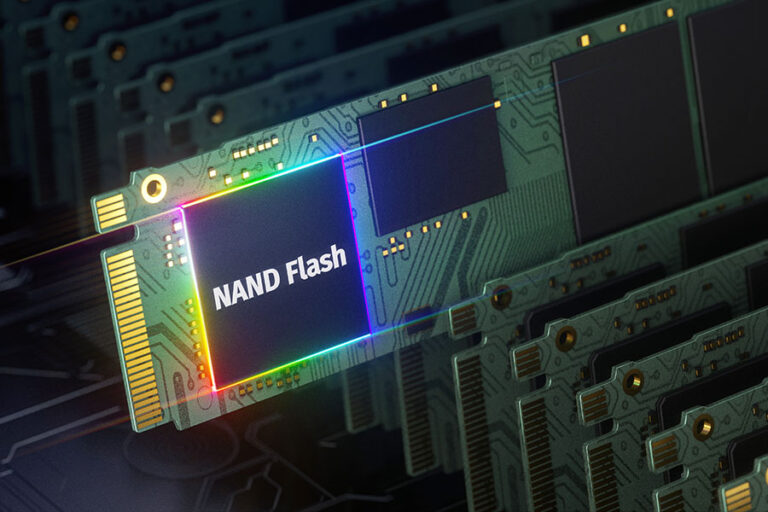
What Is NAND Flash? A Practical Guide for Engineers & Procurement Teams In today’s data-driven world—from smartphones and SSDs to industrial IoT devices—NAND flash…
Read More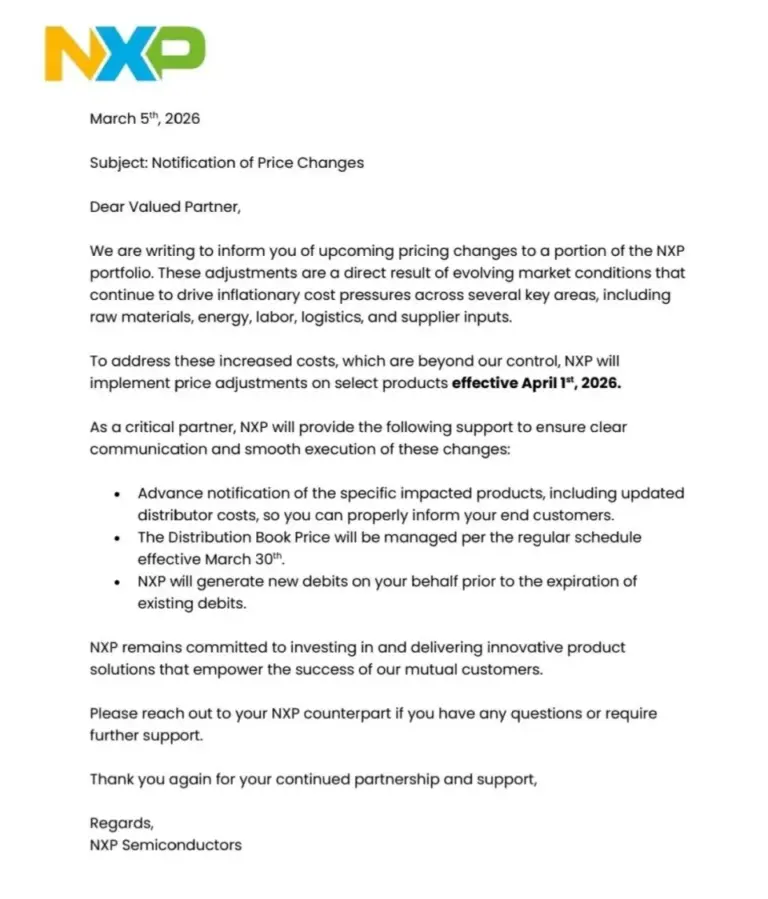
NXP Semiconductors (NASDAQ: NXPI), a global leader in automotive, industrial, and IoT semiconductors, has officially notified customers of an upcoming price adjustment for select…
Read More
On September 22nd, it was reported that Samsung Electronics, the South Korean tech giant, had successfully passed NVIDIA’s certification test for its 12-layer HBM3E…
Read More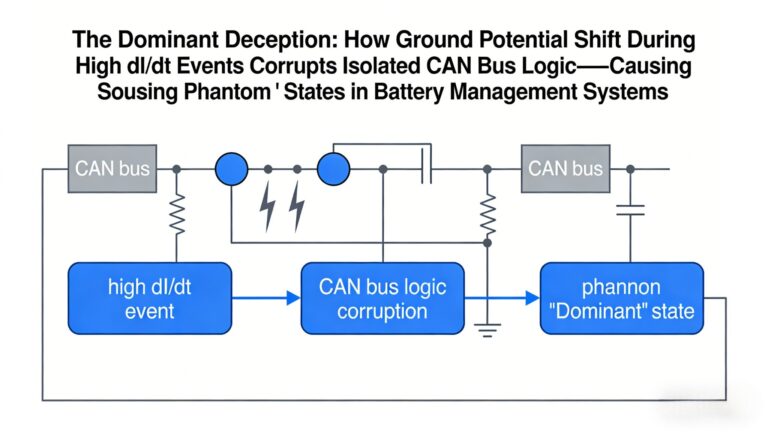
Stay ahead with ChipApex Insights — technical deep dives, market trends, and sourcing tips for memory, microcontrollers, power management, and industrial-grade components. Trusted by…
Read More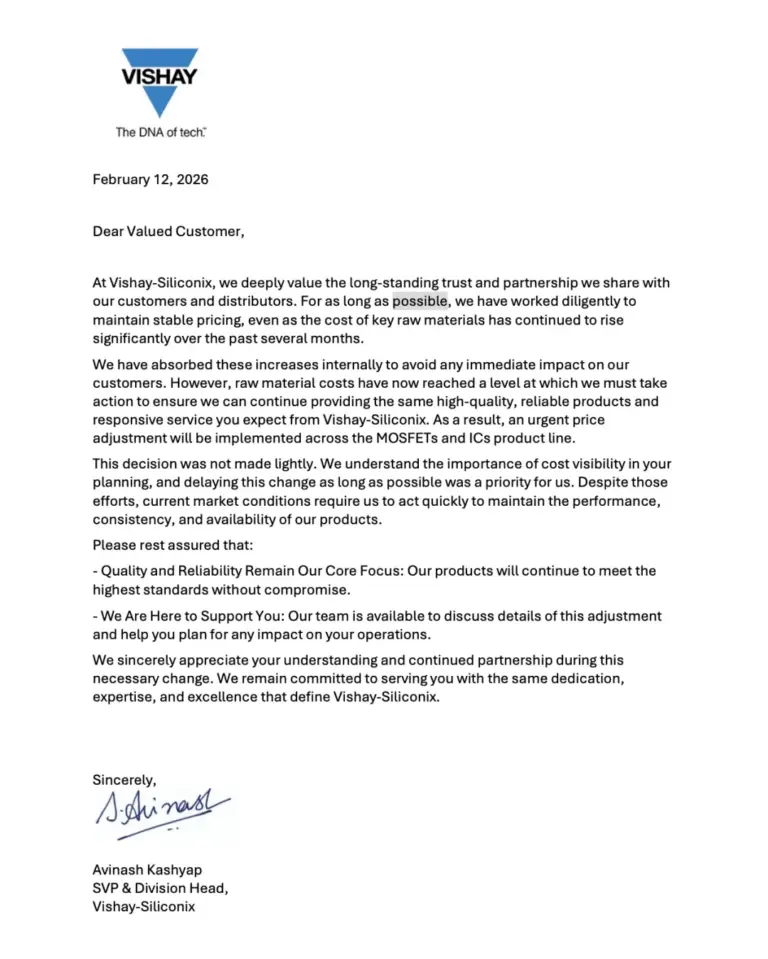
Vishay Intertechnology, Inc., a global leader in discrete semiconductors and passive electronic components, has officially announced a price adjustment for its Metal-Oxide-Semiconductor Field-Effect Transistors…
Read More
In embedded design, the tug-of-war between cost and performance is constant. On one side, you have Microcontrollers (MCUs)—cheap, simple, and efficient. On the other,…
Read More
The global memory market is entering an unprecedented supply-constrained phase as soaring demand from artificial intelligence (AI) infrastructure collides with strategic capacity reallocations by…
Read More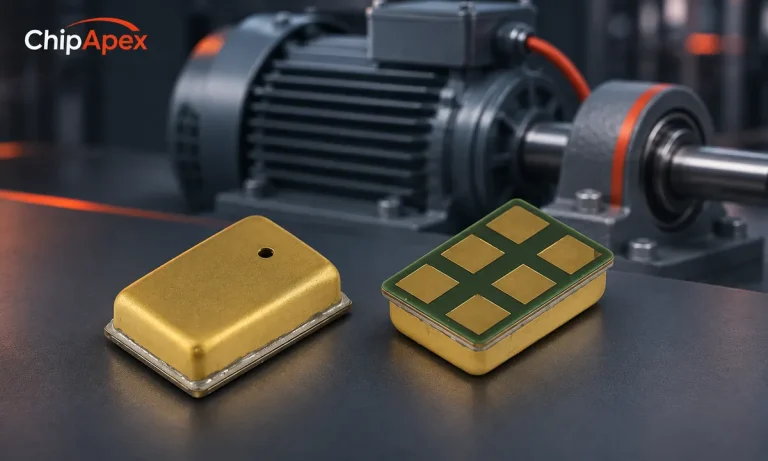
Choose a vibration sensor for machine monitoring. Compare sensing methods, bandwidth, noise and mounting, then define the signal-chain requirements.
Read More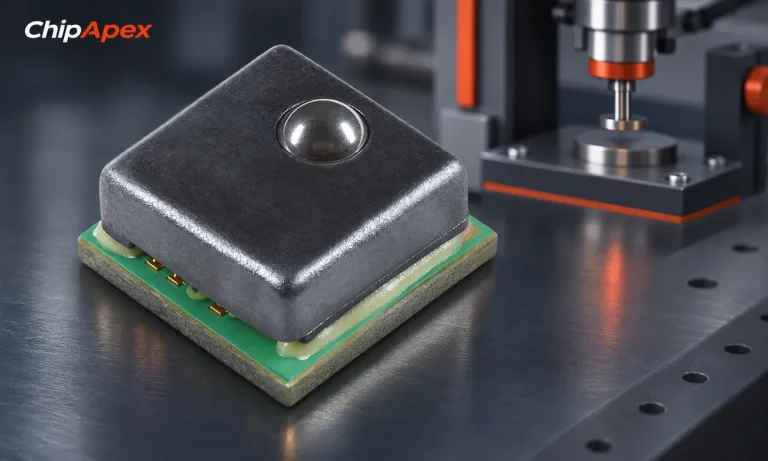
Understand load cell sensor output, bridge wiring and calibration. Learn how mV/V sensitivity, mechanics and ADC noise affect measurement accuracy.
Read More
Selecting the right microcontroller (MCU) isn’t just about specs—it’s about balancing performance, power, cost, and supply chain reliability. As an engineer, you’ve probably faced…
Read More
Select a bridge rectifier by reverse voltage, capacitor charging current, startup surge and cooling. Work through a stated DC voltage and ripple example.
Read More
The activity of extra discounts on wholesale prices is in full swing…
Please fill in your contact information and we will send you the latest wholesale price list.