ChipApex | Global Electronic Components Supplier

SEARCH
Search Product
Search Post
— IC芯片 | 连接器 | 传感器 | 被动器件 —
Search productSearch post
— IC芯片 | 连接器 | 传感器 | 被动器件 —
Consult the customer manager about the wholesale price.
consultation hotline:86-132-6715-2157
email:[email protected]
Contact the product manager for consultation. One-stop consultation is available.
Do you want a lower wholesale price? Please send us your inquiry and we will reply immediately.
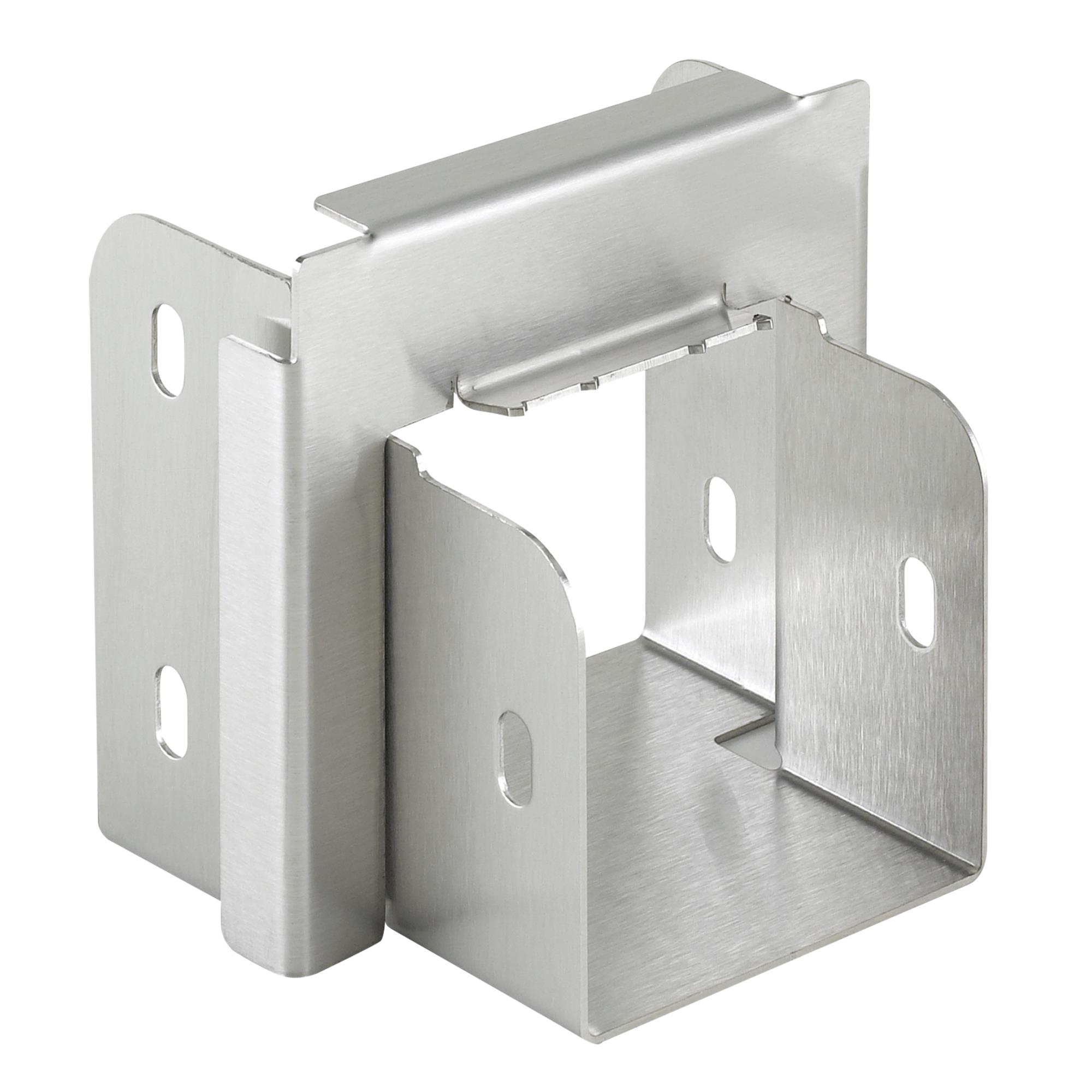
The Hoffman Enclosures CTS6633RRSS is a Type 1 indoor cable tray reducer designed for wire management systems. Constructed from Stainless Steel 304 with a Brushed #3 finish, it transitions from a 6-inch height and 6-inch width to a 3-inch height and 3-inch width. The unit features a right-sloped design and measures 5.38 inches in height, 8.25 inches in width, and 6.50 inches in length. It weighs approximately 0.72 kg and originates from the United States.
Verify that the application environment remains strictly indoors, as this component is rated Type 1 and lacks weatherproofing. Confirm compatibility with existing nVent Hoffman Clean Tray series components to ensure proper fitment. Check for required mounting hardware separately, as reducers typically require additional fasteners not included with the unit. Ensure the stainless steel 304 specification meets corrosion resistance requirements for the specific installation site.
Select this model when a reduction in cable tray cross-section is required within an indoor enclosure. The right-sloped geometry directs cables downward or inward, optimizing space utilization. Choose Stainless Steel 304 for standard industrial environments where moderate corrosion resistance is sufficient. This reducer fits into the Hoffman Clean Tray system, allowing for modular expansion or contraction of wire management pathways without compromising structural integrity.
This component belongs to the Hoffman Clean Tray series, a modular wire management solution for electrical enclosures. The CTS prefix indicates a cable tray accessory, while the suffixes denote specific dimensional changes and orientation. As a reducer, it serves as a transitional element rather than a primary containment structure, enabling flexible system design within confined spaces.
No public confirmed substitute part numbers are available for this specific reducer configuration.
 CTS6633RRSS
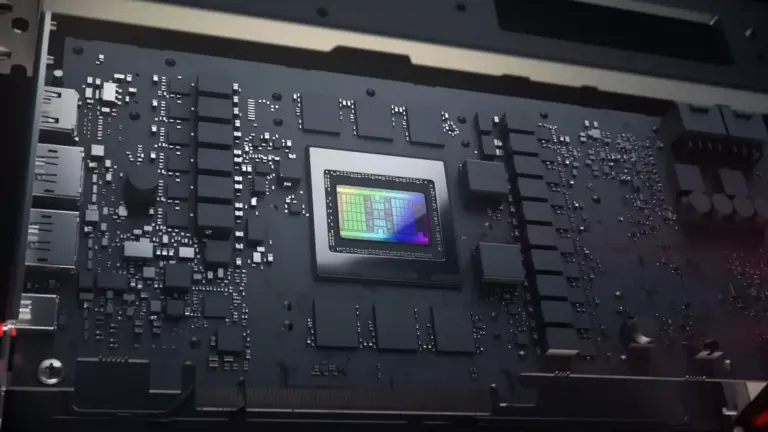
Latest updates from leading semiconductor manufacturers: Wolfspeed launches new SiC modules, AMD reveals MI430X with HBM4, TSMC eyes third Japan fab, and Samsung samples…
Read More
Choose a DIP switch by contact type, coded positions, footprint and signal ratings. Check logic polarity, assembly conditions and PCB configuration behavior.
Read More
Understand voltage controlled oscillator tuning, phase noise and PLL operation. Check supply noise, output loading and requirements before selection.
Read More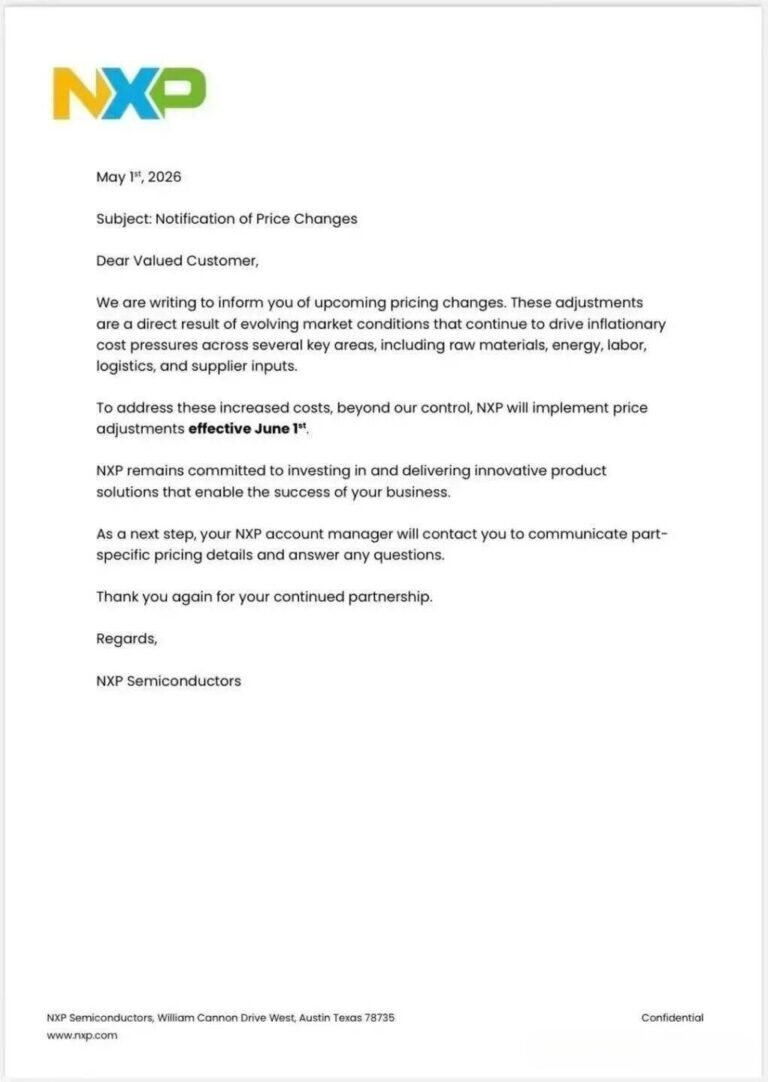
May 8, 2026 – Eindhoven, Netherlands NXP Semiconductors (NXPI), a global leader in automotive and industrial semiconductor solutions, has officially notified its worldwide channel…
Read More
Choose logic inverter ICs by thresholds, supply, output drive and delay. Compare standard and Schmitt-trigger inputs, power sequencing and replacement checks.
Read More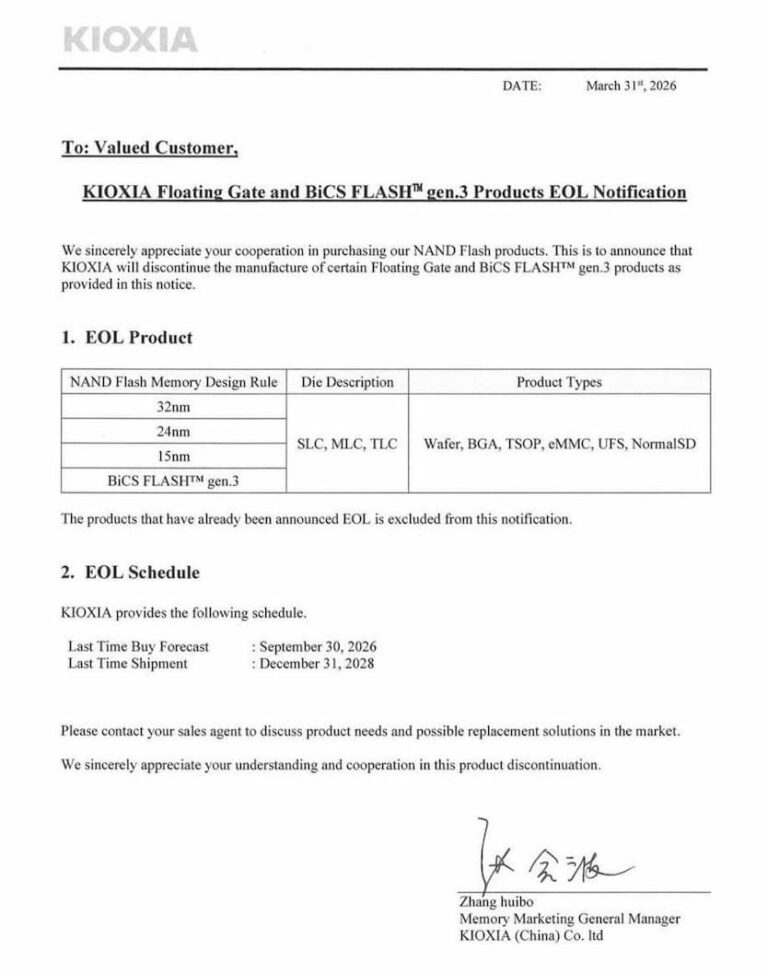
TOKYO, April 1, 2026 – Kioxia Corporation (formerly Toshiba Memory Corporation), a global leader in flash memory and storage solutions, has officially issued a…
Read More
Understand UART protocol framing, baud rate and electrical interfaces. Learn 8N1 timing, TX/RX wiring, buffering and practical troubleshooting steps.
Read More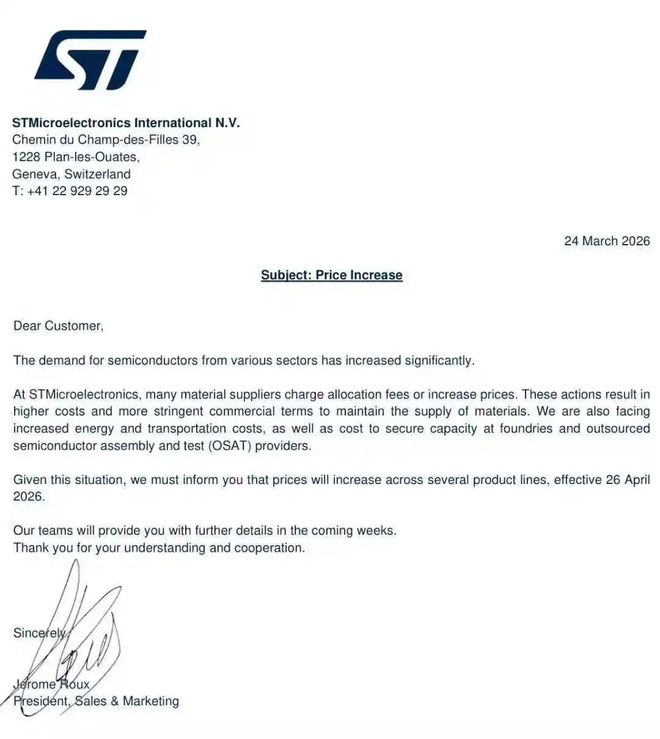
Geneva, Switzerland – March 25, 2026 – STMicroelectronics N.V. (NYSE: STM), a global semiconductor leader serving customers across the electronics applications spectrum, has announced…
Read More
Recently, the global electronic components market has been constantly evolving, and different regions and enterprises have witnessed new moves in aspects such as technological…
Read More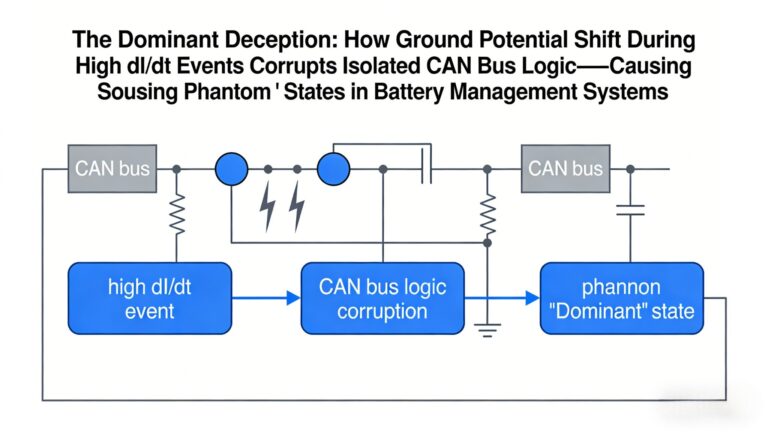
Stay ahead with ChipApex Insights — technical deep dives, market trends, and sourcing tips for memory, microcontrollers, power management, and industrial-grade components. Trusted by…
Read More
Learn why PTC resistance rises with temperature, how it differs from NTC, and which ratings matter for sensing and protection.
Read More
Learn how a JFET works and how to compare bias, leakage, noise and pinout. Review practical selection questions for high-impedance analog circuits.
Read More
The activity of extra discounts on wholesale prices is in full swing…
Please fill in your contact information and we will send you the latest wholesale price list.