ChipApex | Global Electronic Components Supplier

SEARCH
Search Product
Search Post
— IC芯片 | 连接器 | 传感器 | 被动器件 —
Search productSearch post
— IC芯片 | 连接器 | 传感器 | 被动器件 —
Consult the customer manager about the wholesale price.
consultation hotline:86-132-6715-2157
email:[email protected]
Contact the product manager for consultation. One-stop consultation is available.
Do you want a lower wholesale price? Please send us your inquiry and we will reply immediately.
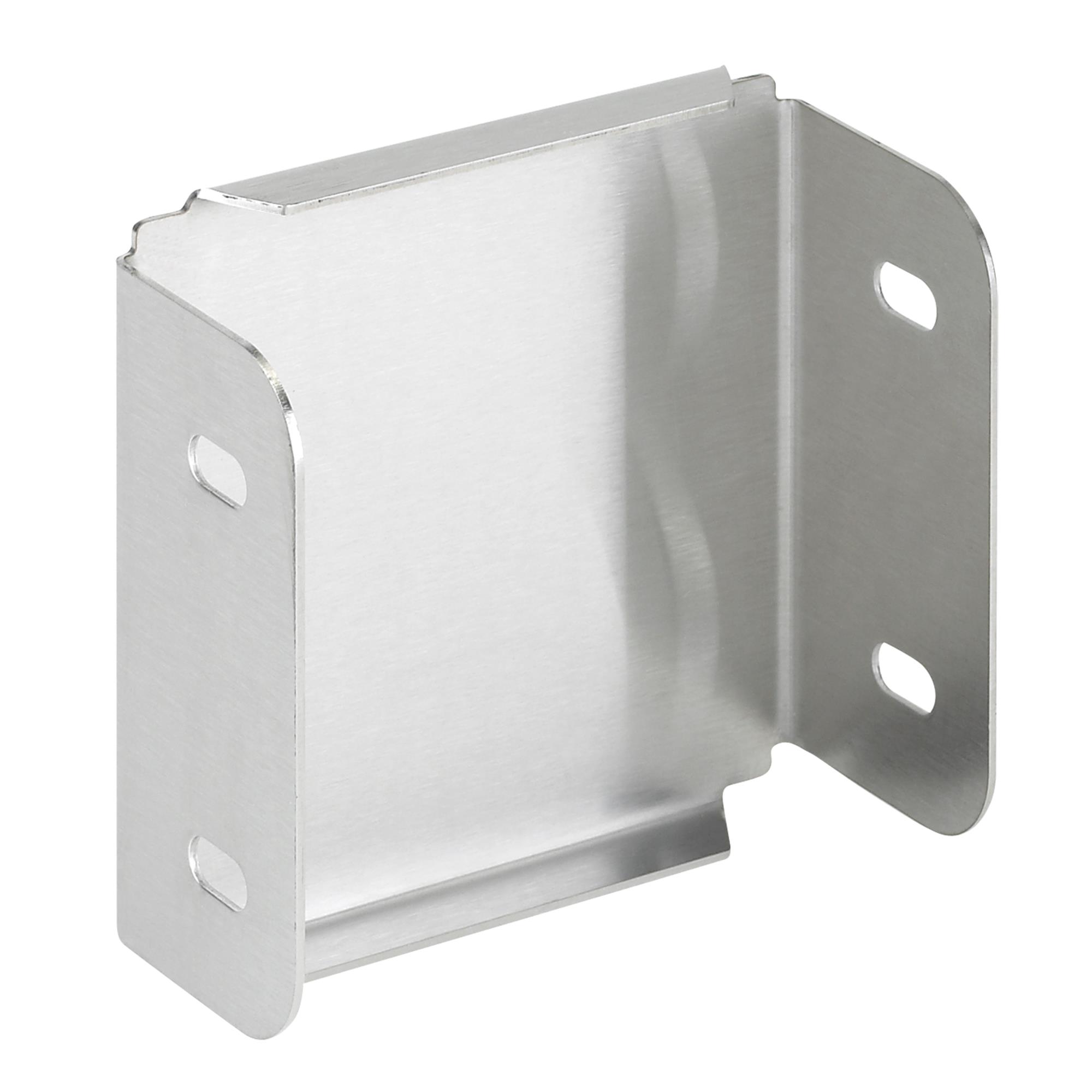
The CTS66CPRSS is a closure plate manufactured by nVent Hoffman, designed for use with Clean Tray cable management systems. It features a 6-inch height and 6-inch width configuration, constructed from Type 304 stainless steel to ensure durability in demanding environments. The component includes a sloped top design on the right side, facilitating effective water runoff and maintaining the integrity of the cable tray enclosure. Certified for indoor applications, this part serves as a critical end-cap or transition piece within industrial wiring infrastructure.
Verify that the required material specification matches Type 304 stainless steel, as other grades may be available in similar form factors. Confirm the orientation requirement for the sloped top feature, ensuring it aligns with the specific installation geometry of the target cable tray run. Check compatibility with existing nVent Hoffman Clean Tray series components to guarantee proper fitment.
Select this model when a stainless steel closure is required for a 6x6 inch cable tray opening. The sloped right-side design is essential for applications where water shedding is necessary on that specific side. Ensure the application environment is indoor, as this specific rating is documented. Compare against standard flat plates if drainage is not a priority.
This component belongs to the Hoffman Clean Tray product line, which focuses on organized and protected cable routing solutions. As a closure plate, it completes the structural boundary of the tray system. The use of stainless steel distinguishes it from galvanized steel alternatives, offering enhanced longevity in corrosive settings while maintaining standard dimensional profiles for the 6-inch series.
Direct substitutes include other 6x6 inch stainless steel closure plates from the same manufacturer series. Verify that any replacement maintains the sloped right-side profile if drainage functionality is required. Generic flat plates are not suitable replacements if the specific slope geometry is integral to the system design.
 CTS66CPRSS

Choose a DIP switch by contact type, coded positions, footprint and signal ratings. Check logic polarity, assembly conditions and PCB configuration behavior.
Read More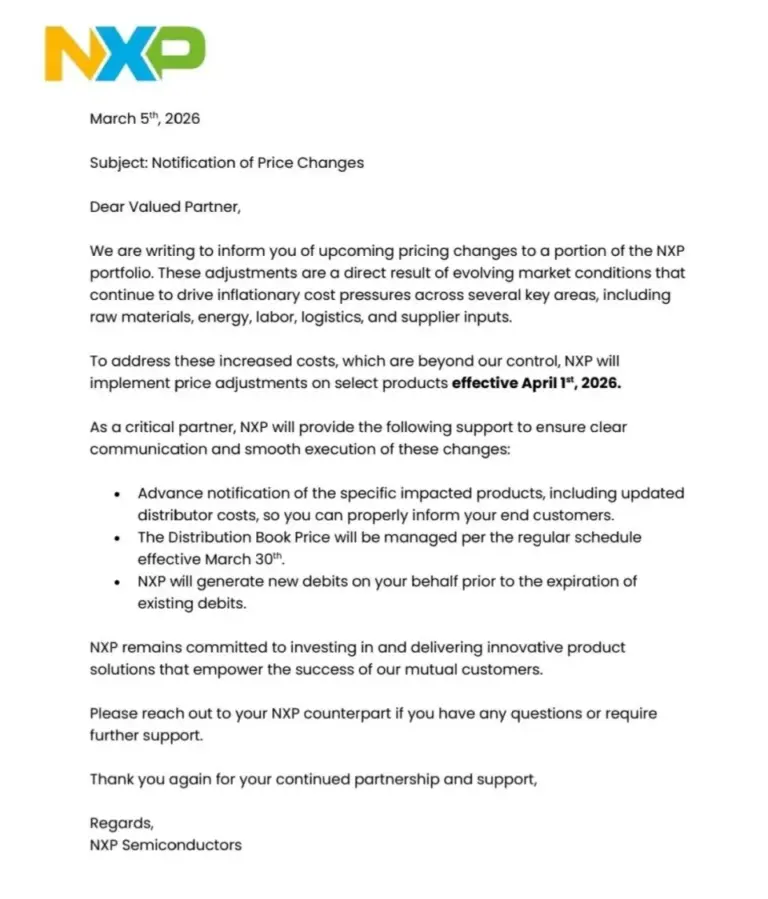
NXP Semiconductors (NASDAQ: NXPI), a global leader in automotive, industrial, and IoT semiconductors, has officially notified customers of an upcoming price adjustment for select…
Read More
Understand tactile switches, PCB and keyboard differences, four-pin wiring, debounce, force, travel and replacement checks for reliable control inputs.
Read MoreA digital-to-analog converter (DAC) turns a digital number into an analog voltage or current. It lets a controller set a physical output, such as…
Read More
A perfect storm of surging demand and supply chain disruptions is roiling the global electronic components market, with advanced semiconductors and critical materials now…
Read More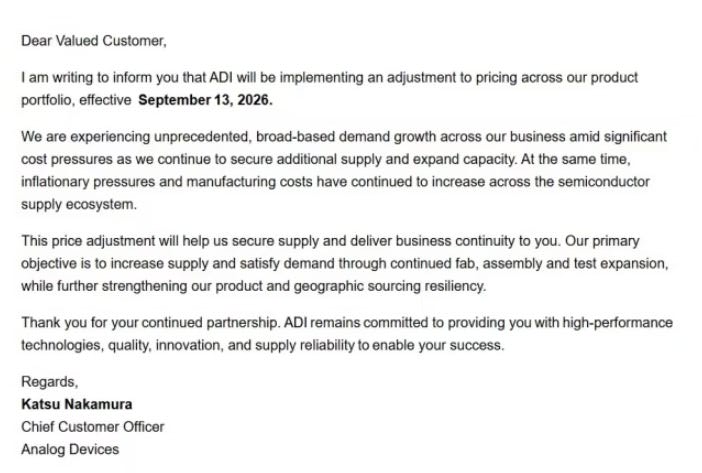
WILMINGTON, Mass. – August 11, 2026 — Analog Devices, Inc. (NASDAQ: ADI), the global leading supplier of high-performance analog, mixed-signal and digital signal processing…
Read More
TOKYO, April 15, 2026 – Taiyo Yuden Co., Ltd. (TAIYO YUDEN), a leading global manufacturer of passive electronic components, has officially notified its worldwide…
Read More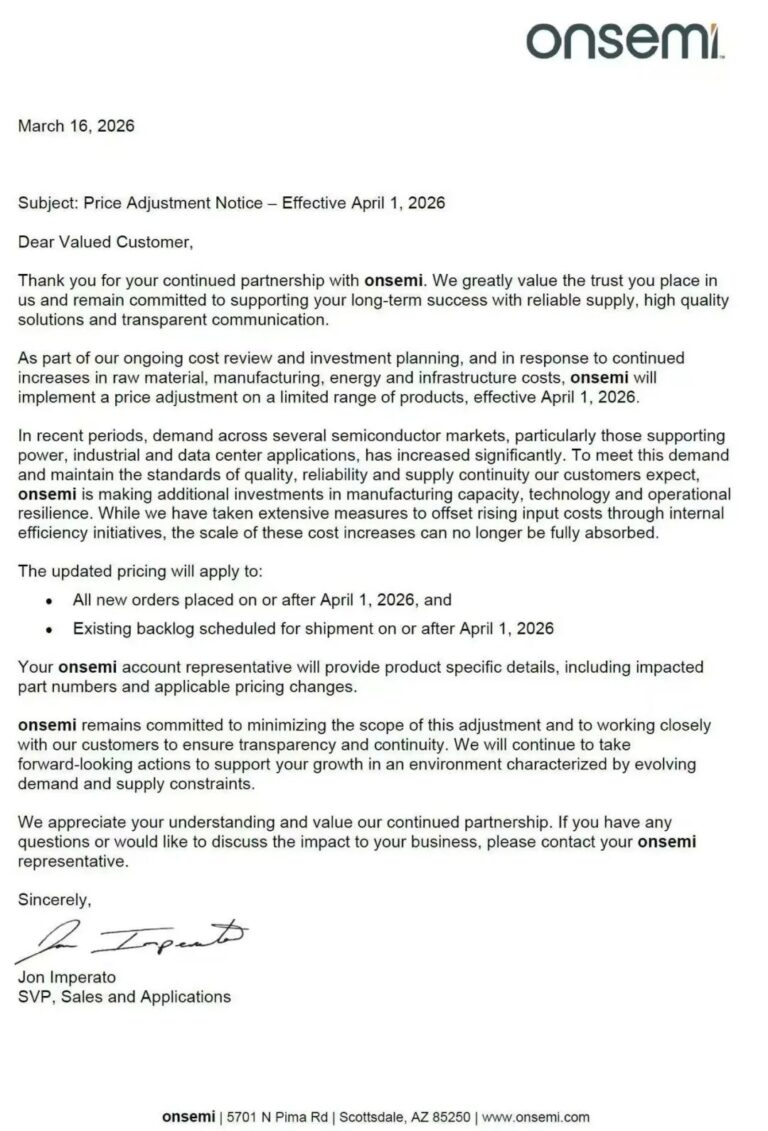
ON Semiconductor (onsemi), a global leader in intelligent power and sensing technologies, has announced plans to implement price adjustments for select product lines, effective…
Read More
The rapid advancement of artificial intelligence (AI) is transforming industries across the globe, and the world of electronic components is no exception. From smarter…
Read More
Compare RC, crystal and MEMS oscillator circuits. Check ppm, jitter, load capacitance, startup margin and output compatibility before choosing a clock source.
Read More
Learn how rectifiers convert AC to DC, compare half-wave and bridge circuits, and select voltage, current, recovery and thermal ratings for your design.
Read More
Understand voltage controlled oscillator tuning, phase noise and PLL operation. Check supply noise, output loading and requirements before selection.
Read More
The activity of extra discounts on wholesale prices is in full swing…
Please fill in your contact information and we will send you the latest wholesale price list.