ChipApex | Global Electronic Components Supplier

SEARCH
Search Product
Search Post
— IC芯片 | 连接器 | 传感器 | 被动器件 —
Search productSearch post
— IC芯片 | 连接器 | 传感器 | 被动器件 —
Consult the customer manager about the wholesale price.
consultation hotline:86-132-6715-2157
email:[email protected]
Contact the product manager for consultation. One-stop consultation is available.
Do you want a lower wholesale price? Please send us your inquiry and we will reply immediately.
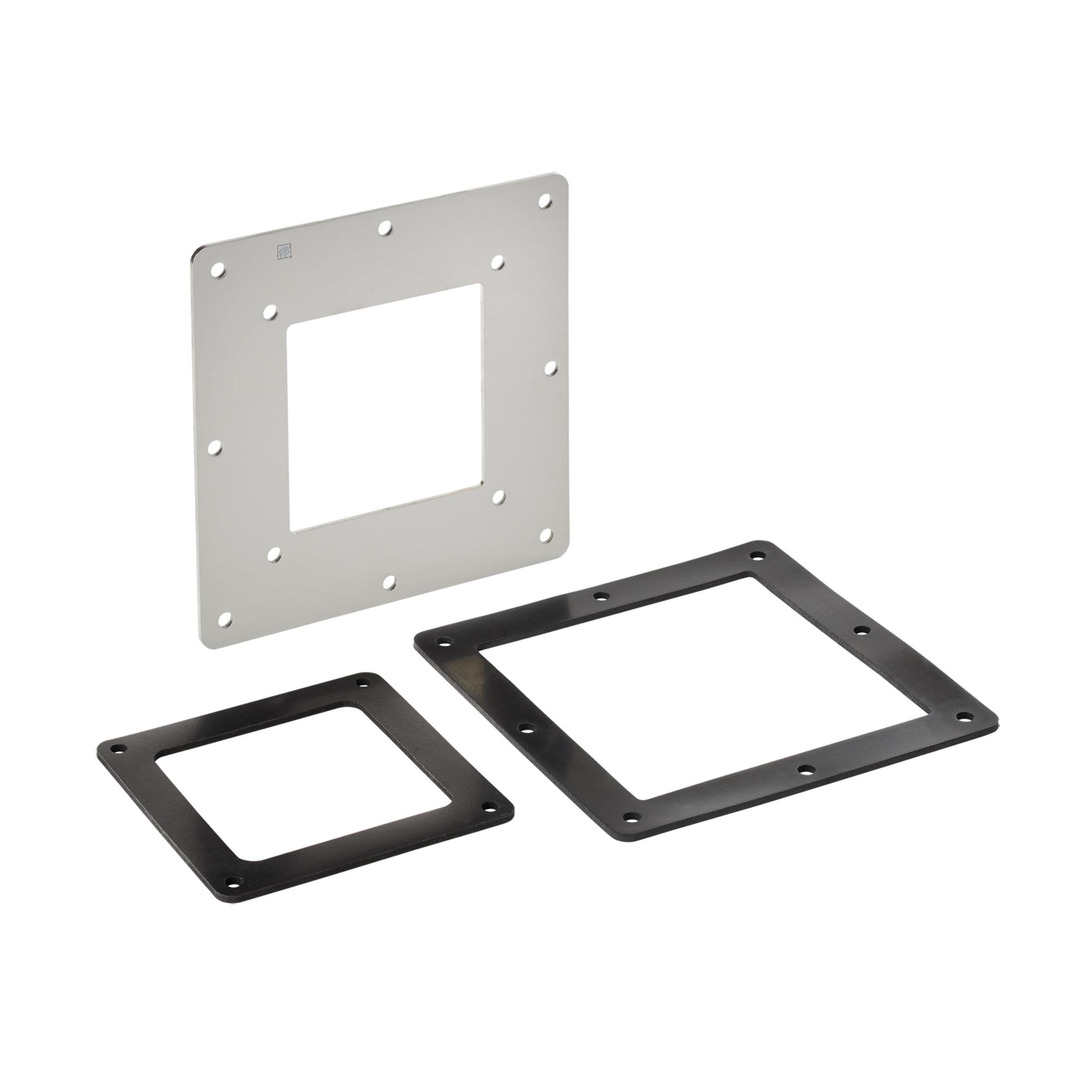
The F66WR44SS is a stainless steel wireway reducer bushing manufactured by Hoffman Enclosures, Inc. It functions as a feed-through component designed to transition between different wireway dimensions, specifically reducing from a 6-inch by 6-inch opening to a 4-inch by 4-inch opening. Constructed from 304 stainless steel, this accessory supports cable management systems requiring corrosion resistance and durability in demanding environments.
Verify the specific dimensional requirements of the installation site to ensure compatibility with existing 6x6 and 4x4 wireway segments. Confirm that the 304 stainless steel material meets the environmental exposure standards required for the deployment location. Ensure the reducer bushing aligns with the overall system's ingress protection ratings.
Select this component when a physical reduction in wireway cross-section is necessary within a continuous run. The choice of 304 stainless steel indicates suitability for environments where standard galvanized steel may degrade. Consider the mechanical strength provided by the stainless construction for supporting cable loads during the transition.
This part belongs to the Hoffman wireway accessories line, specifically engineered for use with stainless steel feed-through trunking systems. It complements other components like closure plates and straight sections to create a complete, sealed cable routing path. The product is categorized under cable management hardware rather than standalone enclosures.
Compatible substitutes include generic stainless steel reducers matching the 6x6 to 4x4 dimension specification. Verify that alternative parts maintain equivalent material grade (304 SS) and structural integrity to ensure seamless integration with existing Hoffman wireway assemblies.
 F66WR44SS
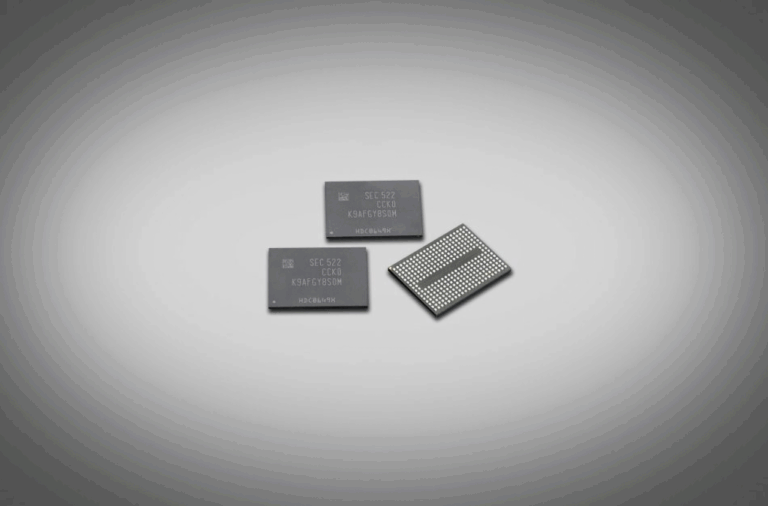
Date: May 13, 2026 The global memory industry is facing an unprecedented supply crunch in legacy MLC NAND Flash. Leading manufacturers including Samsung Electronics…
Read More
The Dutch government’s intervention in the control of Nexperia (Anshi Semiconductor) is triggering a chain reaction of turmoil in the global power semiconductor market.…
Read More
Recently, the global electronic components market has been constantly evolving, and different regions and enterprises have witnessed new moves in aspects such as technological…
Read More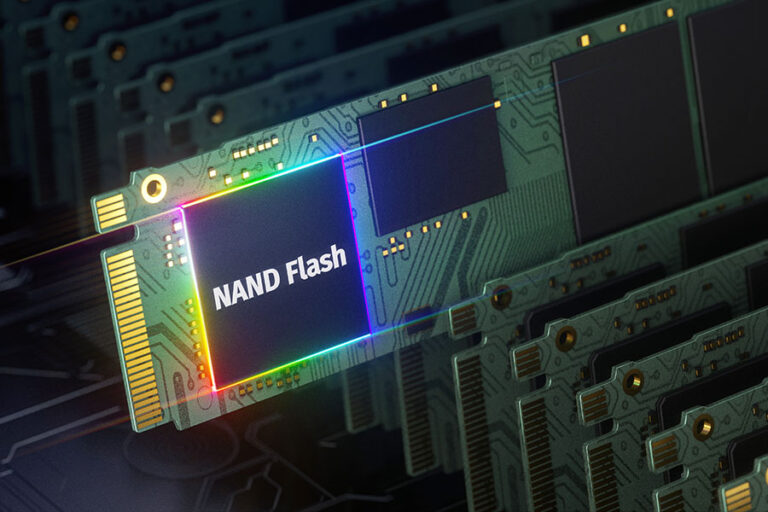
What Is NAND Flash? A Practical Guide for Engineers & Procurement Teams In today’s data-driven world—from smartphones and SSDs to industrial IoT devices—NAND flash…
Read More
The rapid advancement of artificial intelligence (AI) is transforming industries across the globe, and the world of electronic components is no exception. From smarter…
Read More
Recently, a survey by the Electronic Components Industry Association (ECIA) revealed that the sales sentiment of global electronic components remained optimistic in the third…
Read More
Embedded Integrated Circuit Modules: The Backbone of Modern Technology Embedded Integrated Circuit Modules (EICMs) have become an indispensable part of modern technology. Serving as…
Read More
Select a bridge rectifier by reverse voltage, capacitor charging current, startup surge and cooling. Work through a stated DC voltage and ripple example.
Read More
In embedded design, the tug-of-war between cost and performance is constant. On one side, you have Microcontrollers (MCUs)—cheap, simple, and efficient. On the other,…
Read More
Selecting the right microcontroller (MCU) isn’t just about specs—it’s about balancing performance, power, cost, and supply chain reliability. As an engineer, you’ve probably faced…
Read More
As the backbone of modern technology, electronic components are undergoing revolutionary changes, driven by advancements in materials science, miniaturization, and smart manufacturing. From ultra-efficient…
Read More
In the embedded world, general-purpose CPUs are great at running operating systems, and MCUs excel at logic control. But when you need to process…
Read More
The activity of extra discounts on wholesale prices is in full swing…
Please fill in your contact information and we will send you the latest wholesale price list.