 ChipApex | Global Electronic Components Supplier

SEARCH
Search Product
Search Post
— IC芯片 | 连接器 | 传感器 | 被动器件 —
Search productSearch post
— IC芯片 | 连接器 | 传感器 | 被动器件 —
The trend of science and technology is changing rapidly.
An avalanche photodiode, or APD, converts light into current and amplifies that current inside the diode. A strong electric field accelerates carriers enough to create additional electron-hole pairs. A linear-mode APD runs below breakdown and provides adjustable gain. Whether that gain improves detection depends on the receiver’s noise, bandwidth and bias stability.
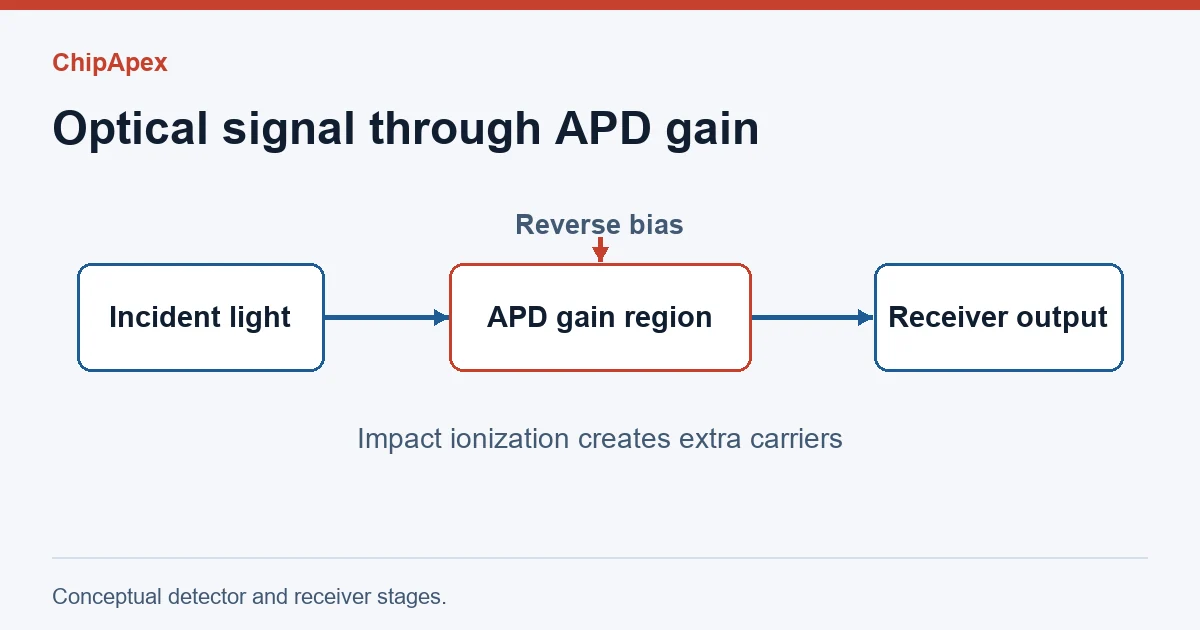
Light generates carriers in the detector. Some are accelerated through a region with a strong electric field, where impact ionization creates additional carriers. The average multiplication factor M describes the resulting gain for a specified bias and temperature. At unity gain, the diode’s responsivity links incident optical power to primary photocurrent. At a useful APD bias, approximately multiply that primary signal current by M within the linear range.
Avalanche multiplication adds noise. It also amplifies some components of dark current, depending on where they originate. Compare receiver signal-to-noise ratio at the required bandwidth instead of choosing the highest available gain. Hamamatsu silicon APD technical note
| Design issue | PIN photodiode | Linear-mode APD |
|---|---|---|
| Signal multiplication | Approximately unity | Bias-dependent internal gain |
| Reverse bias | Often simpler to supply and control | Higher voltage is typical and gain can change with temperature |
| Noise | No avalanche excess-noise term | Multiplication improves signal amplitude but adds excess noise |
| Design fit | Good when signal and front-end noise budget allow | Worth evaluating when front-end noise limits detection |
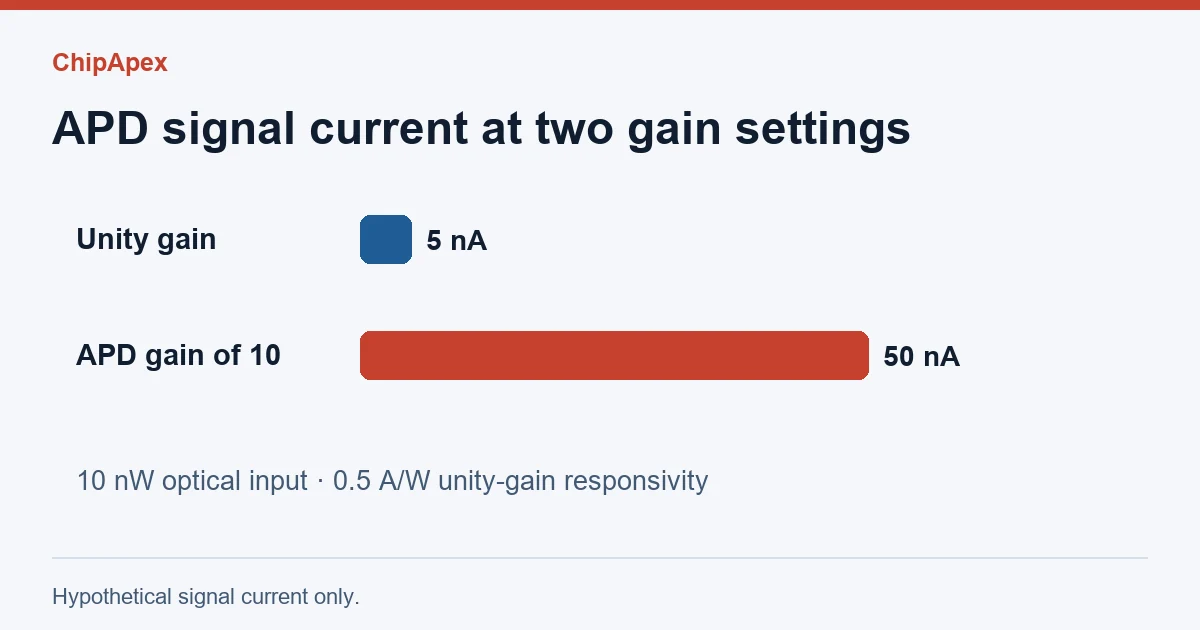
Suppose a hypothetical detector receives 10 nW at a wavelength where its unity-gain responsivity is 0.5 A/W. Its primary signal is 5 nA. With APD gain of 10, the signal becomes about 50 nA before the amplifier. That is a tenfold signal-current increase. It is not a tenfold guarantee in signal-to-noise ratio because dark current, shot noise, avalanche noise and the amplifier all contribute. If the amplifier dominates, the gain may help. If the detector noise dominates, the advantage can shrink.
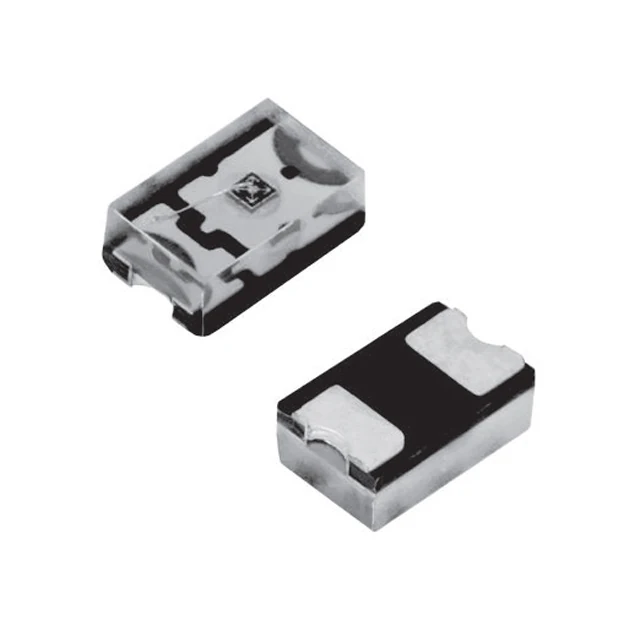
Start with wavelength, incident power and optical coupling. A larger active area can make alignment easier, but device capacitance can make the receiver harder to stabilize at speed. Check responsivity at your wavelength and active-area size under the intended optics.
Next compare dark current, excess noise, bandwidth at the operating gain, and gain drift over temperature. The APD and transimpedance amplifier form one receiver. Their input capacitance, feedback network, overload behavior and recovery time belong on the same worksheet. A module can simplify bias and temperature compensation, but the output range and test conditions still need review. Hamamatsu APD module technical note
Browse the photodiodes catalog when comparing detector formats. For a sourcing request, include wavelength, optical power range, bandwidth, active area, temperature range and whether you need a bare detector or a module.
They have different jobs. An APD converts incident light into a signal with internal multiplication. A Zener or avalanche breakdown diode is commonly specified for its electric behavior in regulation or protection circuits.
A SPAD is operated above breakdown in Geiger mode and uses quenching after a detection. A linear APD is operated below breakdown to preserve a current related to the input light.
Higher bias can increase gain, dark current and noise. Check the receiver’s signal-to-noise ratio over temperature and bandwidth before increasing the operating gain.
Breakdown voltage and gain vary with temperature. A fixed bias may produce very different multiplication as the device heats or cools. The data sheet or module documentation gives the relevant conditions.
Optical receivers and ranging instruments can benefit from APD gain where received optical power is low. Choice depends on wavelength, timing, dynamic range and the complete receiver noise budget.
Choose an ADC converter by resolution, sample rate, noise and input design. Review practical tradeoffs and prepare component requirements for ChipApex.
View details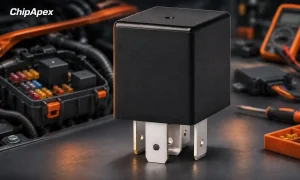
Understand automotive relay terminals, coil suppression and load ratings. Check inrush, socket compatibility and temperature before selecting a replacement.
View details
Understand load cell sensor output, bridge wiring and calibration. Learn how mV/V sensitivity, mechanics and ADC noise affect measurement accuracy.
View details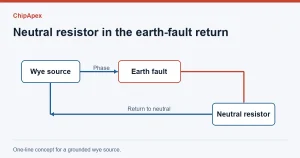
Learn how neutral earthing resistors limit fault current, estimate resistance from phase voltage, and specify voltage, current, duration and protection.
View details
The activity of extra discounts on wholesale prices is in full swing…
Please fill in your contact information and we will send you the latest wholesale price list.

