ChipApex | Global Electronic Components Supplier

SEARCH
Search Product
Search Post
— IC芯片 | 连接器 | 传感器 | 被动器件 —
Search productSearch post
— IC芯片 | 连接器 | 传感器 | 被动器件 —
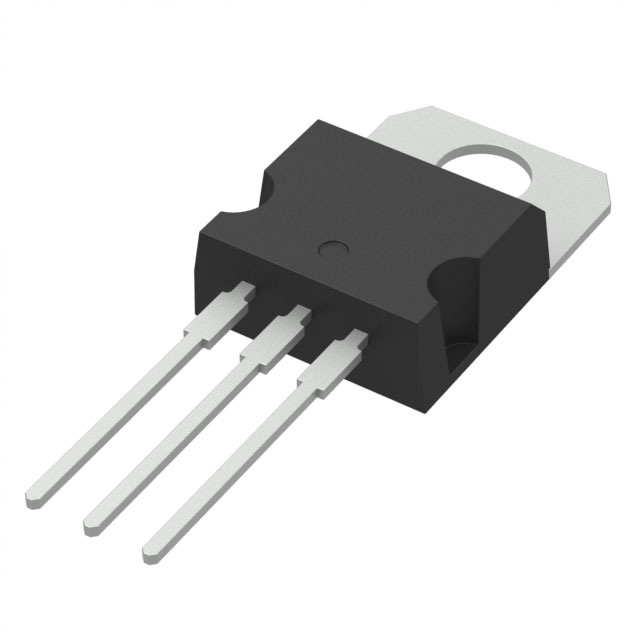
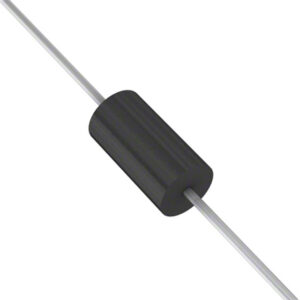
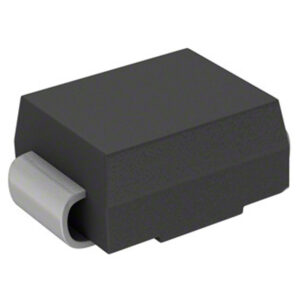
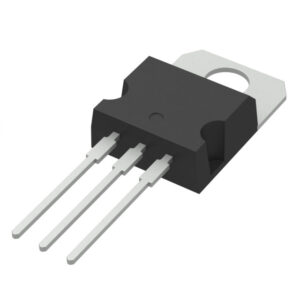
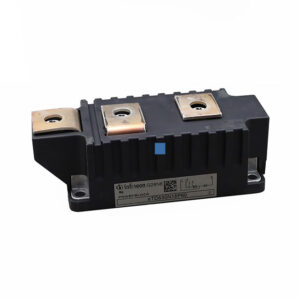
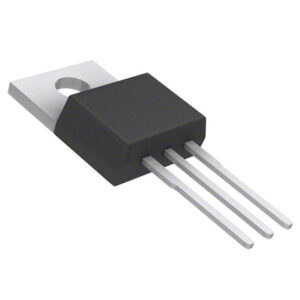
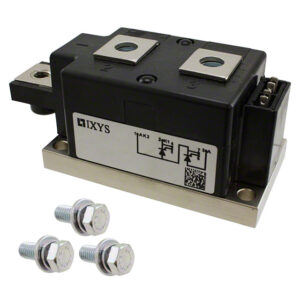
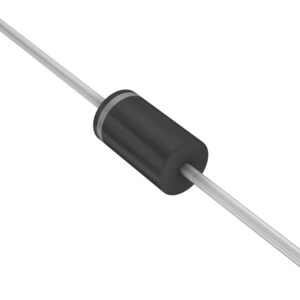
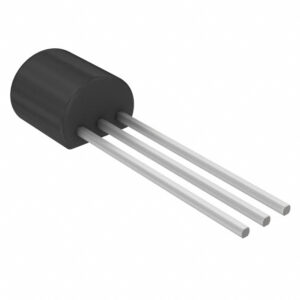
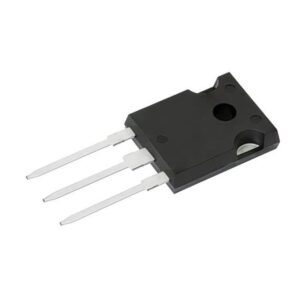
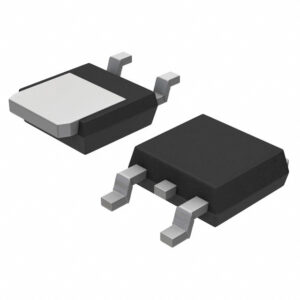
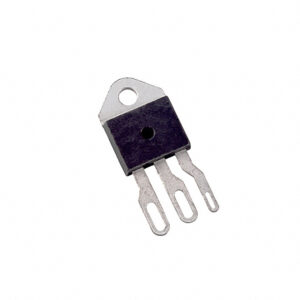
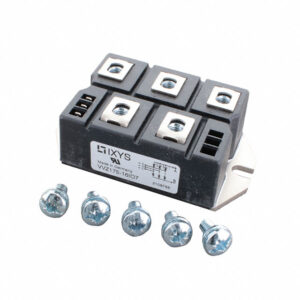
A thyristor is a solid-state semiconductor device composed of a four-layer p-n-p-n structure that operates as a bistable switch. Once triggered—typically by a small gate current—it allows current to flow between the anode and cathode and continues to conduct as long as it remains forward-biased. Thyristors are especially valued in power electronics for their ability to handle high voltages and currents efficiently. They are widely used in applications such as AC and DC motor drives, power supplies, light dimmers, and voltage regulation systems. The most recognized type is the Silicon Controlled Rectifier (SCR), ideal for circuits requiring precise control of power, particularly in unidirectional and high-power environments. There are four main types of thyristors, each suited to specific applications: SCR (Silicon Controlled Rectifier): A unidirectional thyristor that turns on when a gate pulse is applied and stays on as long as the current remains above a holding level. Ideal for DC motor drives, controlled rectifiers, and high-power switching. TRIAC (Triode for Alternating Current): A bidirectional thyristor that can conduct in both directions, commonly used in AC power control applications such as light dimmers, fan speed controllers, and domestic appliances. DIAC(Diode for Alternating Current): A bidirectional trigger device without a gate, used to trigger TRIACs by breaking down at a specific voltage threshold. Often found in timing and phase control circuits. SIDAC (Silicon Diode for Alternating Current): Similar in function to the DIAC but capable of handling higher voltages and currents. Typically used in overvoltage protection and high-energy pulse circuits. When choosing a thyristor, it\'s crucial to consider factors such as whether the application is AC or DC, the need for bidirectional vs. unidirectional conduction, the required voltage and current ratings, and the triggering method. This ensures optimal performance, longevity, and safety in your power control design.

Embedded Integrated Circuit Modules: The Backbone of Modern Technology Embedded Integrated Circuit Modules (EICMs) have become an indispensable part of modern technology. Serving as…
Read More
Las Vegas, January 6, 2026 — At the Consumer Electronics Show (CES) 2026, Texas Instruments (TI) (NASDAQ: TXN) announced a suite of next-generation semiconductor…
Read More
May 4, 2026 — The global power semiconductor market is grappling with a worsening supply crunch, as lead times for key components have extended…
Read More
[Shenzhen/Shanghai/Beijing, January 2025] — As global digital transformation accelerates, the electronic components industry has reached a critical inflection point in 2025. Emerging fields such…
Read More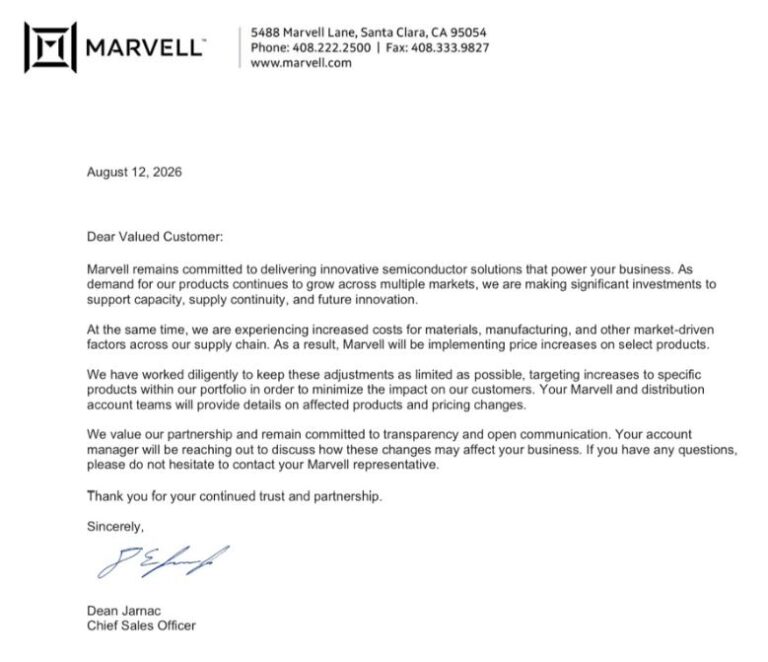
SANTA CLARA, Calif. — Leading semiconductor solution provider Marvell Technology (NASDAQ: MRVL) officially rolled out a selective price adjustment for its core electronic component…
Read More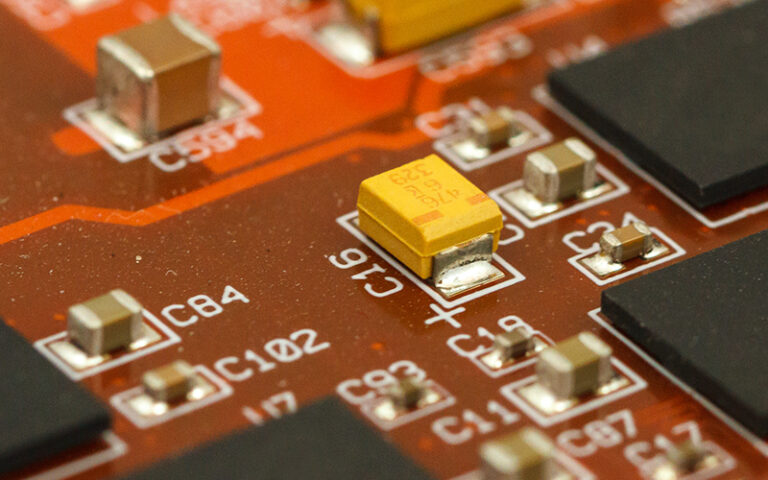
The global electronics industry is facing an escalating shortage of tantalum capacitors, a critical passive component, as surging demand from AI servers, automotive electronics,…
Read More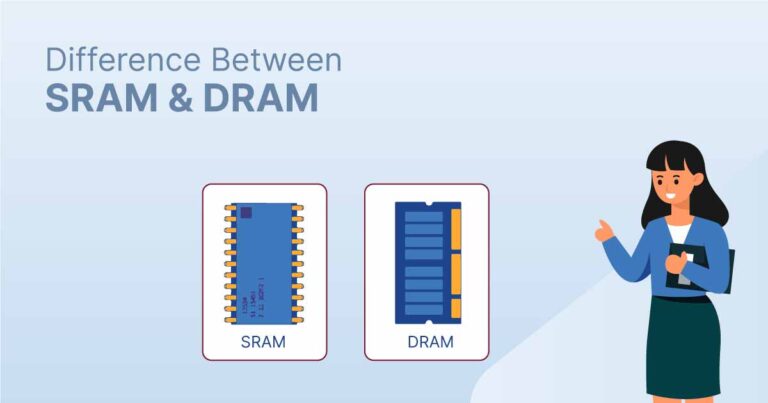
In an era dominated by AI accelerators with terabytes of HBM memory and consumer devices racing toward LPDDR5X bandwidth, it’s easy to wonder: why…
Read More
Learn what a battery BMS does, how protection differs from charging, and which pack specifications to check when sourcing BMS components through ChipApex.
Read More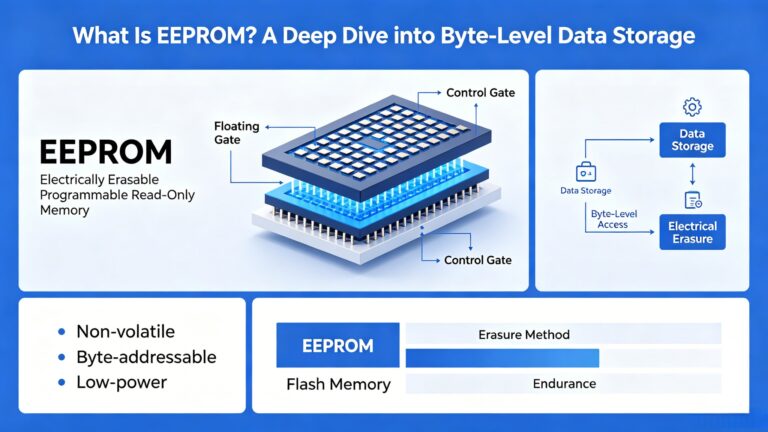
In the vast landscape of memory technology, EEPROM (Electrically Erasable Programmable Read-Only Memory) often plays the unsung hero. While NAND Flash grabs headlines for…
Read More
TOKYO — Global leading semiconductor and power electronic components manufacturer Renesas Electronics officially issued a new price adjustment notice in early September 2026, confirming…
Read More
Compare thermistors, RTDs, thermocouples and temperature ICs. Learn how range, accuracy, response, interfaces and mounting affect component selection.
Read More
Over the past week, the global electronic components sector has witnessed dual transformations in policy and technology: Coupled with mounting pressure from a worsening…
Read More
The activity of extra discounts on wholesale prices is in full swing…
Please fill in your contact information and we will send you the latest wholesale price list.