 ChipApex | Global Electronic Components Supplier

SEARCH
Search Product
Search Post
Search productSearch post
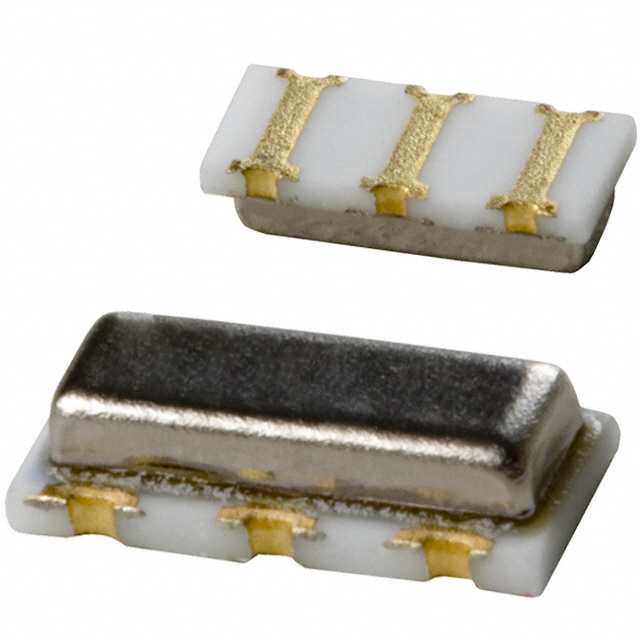
Products in the resonator family are frequency selective elements used to generate a frequency source when used with an external drive circuit, similar to the manner in which quartz crystal devices are used but incorporating different technologies such as surface acoustic wave (SAW) or piezoceramic materials. Where their application spaces overlap with those of quartz crystals, resonator devices generally offer greater durability in exchange for reduced accuracy and output stability.
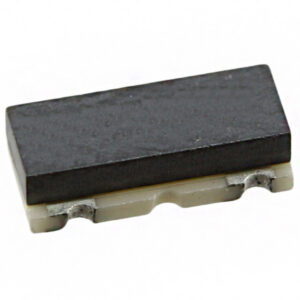 ECS-SR1-6.00-A-TRView Product
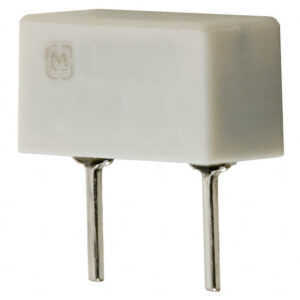 EFO-MN6004A4View Product
 RO3144E-1View Product
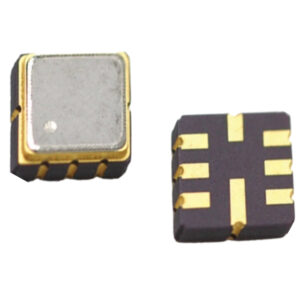 SAR423M220S032View Product
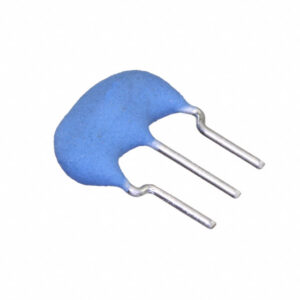 CSTLS3M68G53-A0View Product
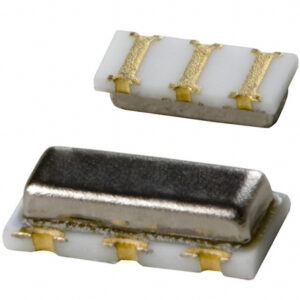 CSTCR4M16G55B-R0View Product
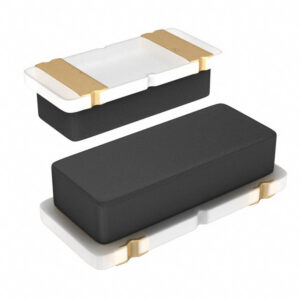 PBRC8.00GR50X000View ProductMZTTCC-4.000MHZ-MGTView ProductCSTLS8M46G53-B0View ProductCSTCR5M89G55-R0View Product
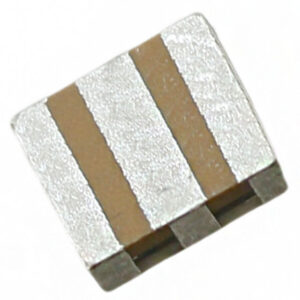 ECS-CR2-10.00-A-TRView ProductCSTCC4M43G53-R0View Product
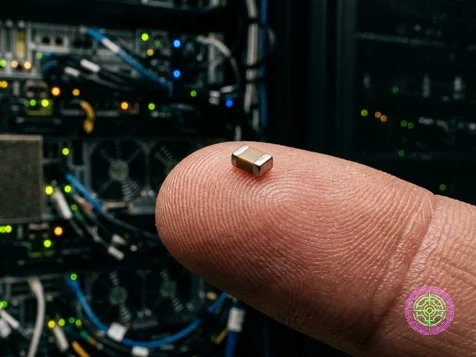
The multilayer ceramic capacitor (MLCC) market has fallen into a severe structural supply crunch in the third quarter of 2026, driven by explosive demand…
Read More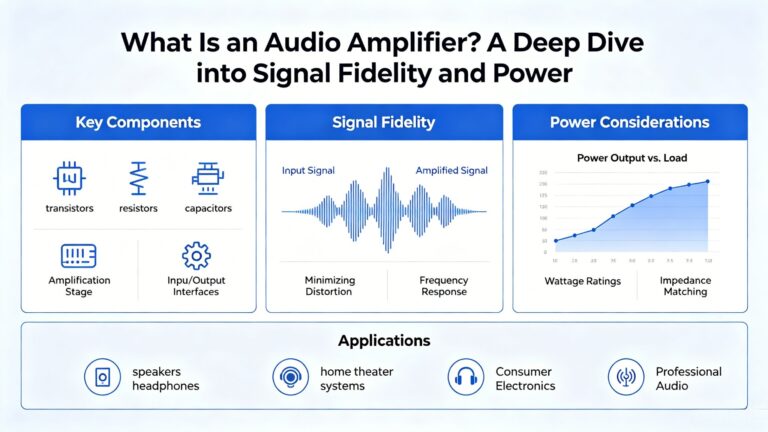
In the world of embedded electronics, getting a device to "think" is only half the battle. The other half is getting it to communicate…
Read More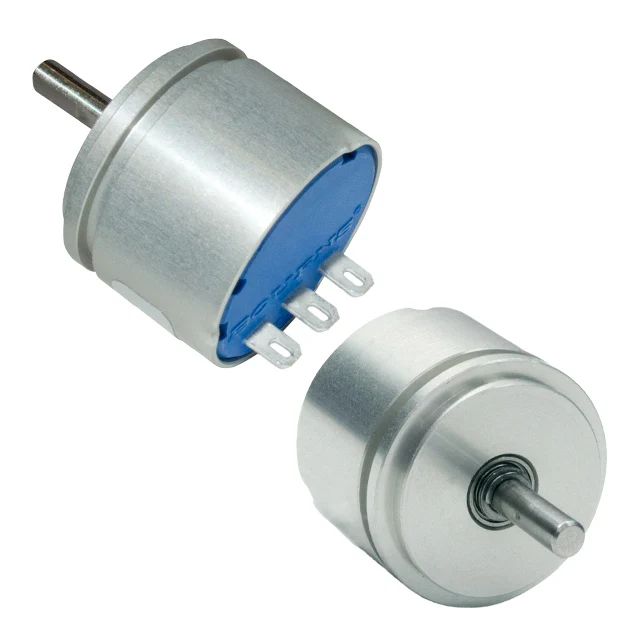
Learn how a TPS reports throttle angle to the ECU, compare potentiometer and magnetic sensors, and see what to verify before diagnosing or replacing…
Read More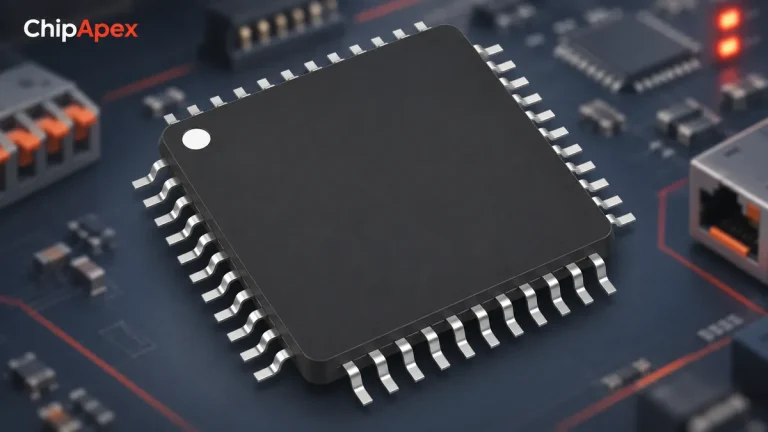
Learn how CPLDs implement hardware logic, compare them with FPGAs and MCUs, and check timing, I/O voltage, startup behavior and programming requirements.
Read More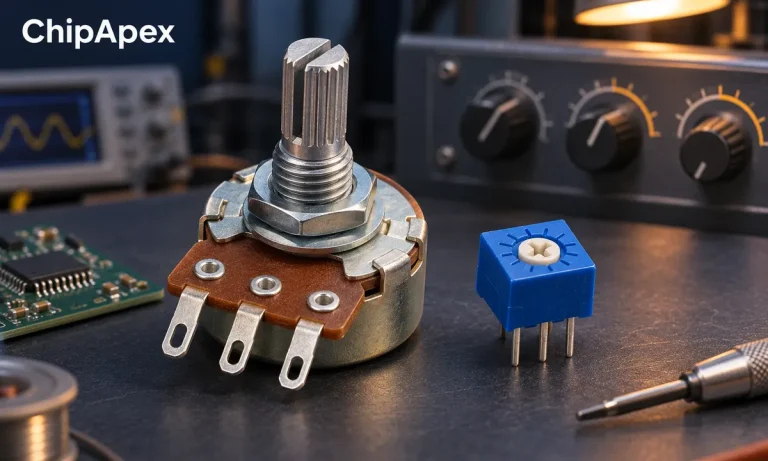
Compare rheostat and potentiometer wiring and functions. Understand divider loading, wiper current, track power and practical component selection.
Read More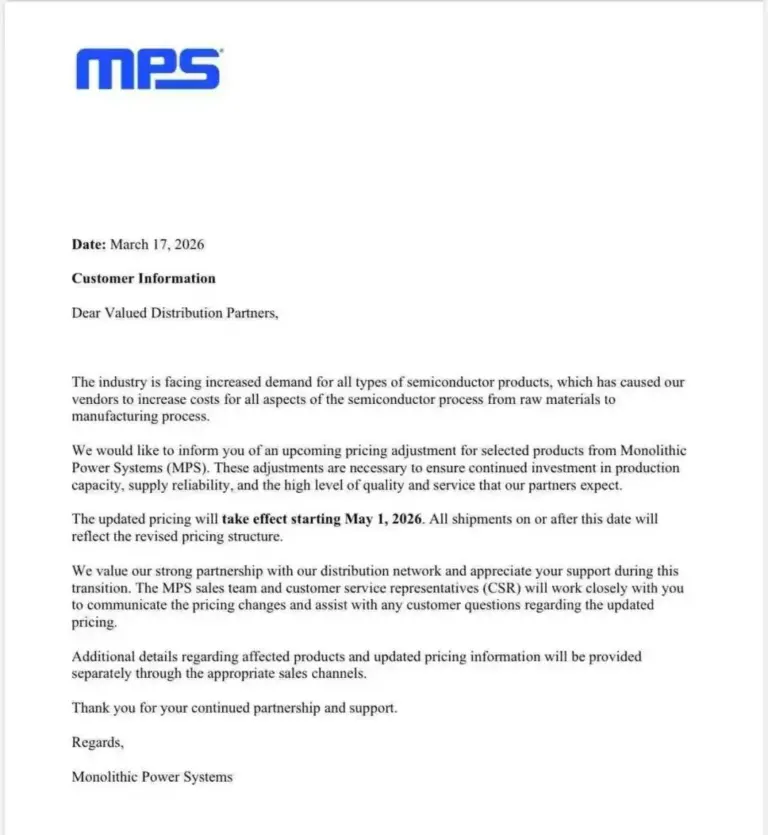
Monolithic Power Systems (MPS), a global leader in analog and mixed-signal semiconductors, has notified its distribution partners of an upcoming price increase for selected…
Read More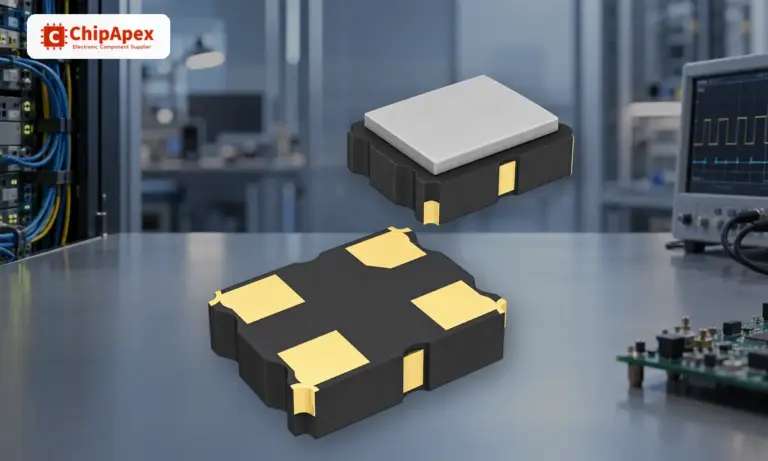
Understand how oscillators generate timing signals, how they differ from crystals, and which frequency, output and stability specs matter when choosing one.
Read More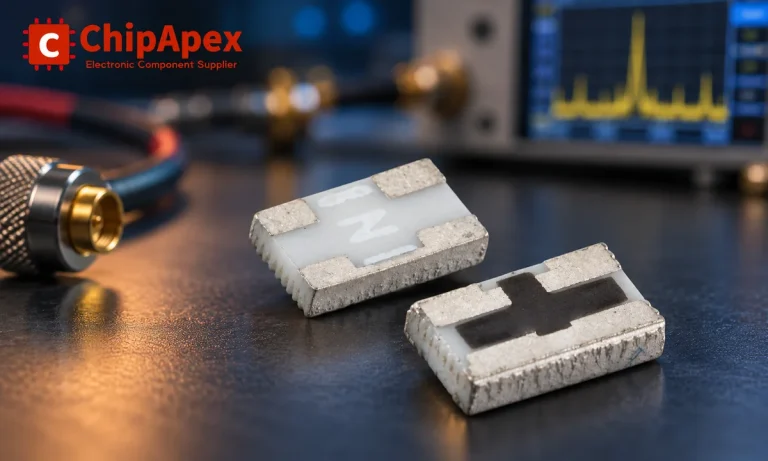
Understand RF attenuator dB values, fixed and programmable types, impedance, power limits and noise tradeoffs before choosing parts for an RF signal path.
Read More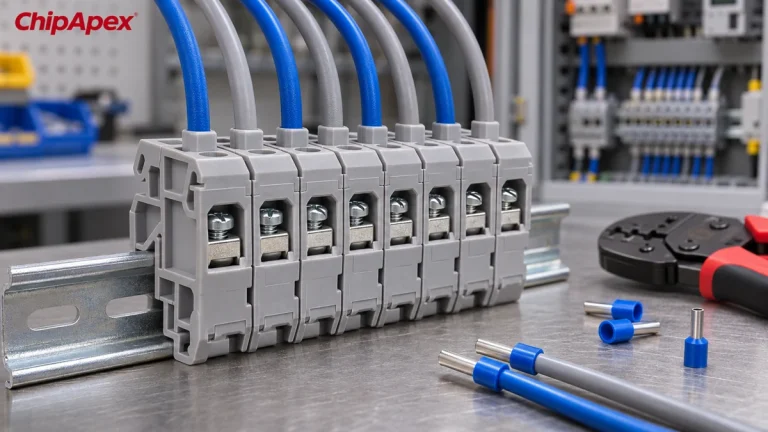
Compare screw and spring terminal blocks. Check conductor range, ferrules, strip length, torque, pitch and DIN rail accessories before completing the BOM.
Read More
September 16, 2026 – Global — Leading semiconductor manufacturer ON Semiconductor (onsemi, NASDAQ: ON) has officially issued a formal price adjustment letter to global…
Read More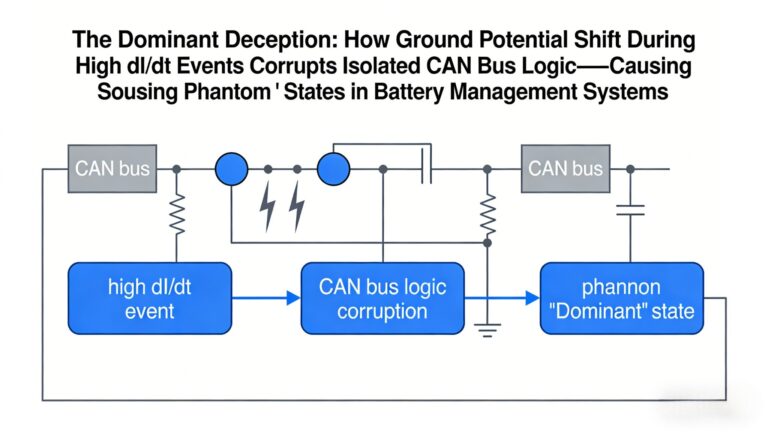
Stay ahead with ChipApex Insights — technical deep dives, market trends, and sourcing tips for memory, microcontrollers, power management, and industrial-grade components. Trusted by…
Read More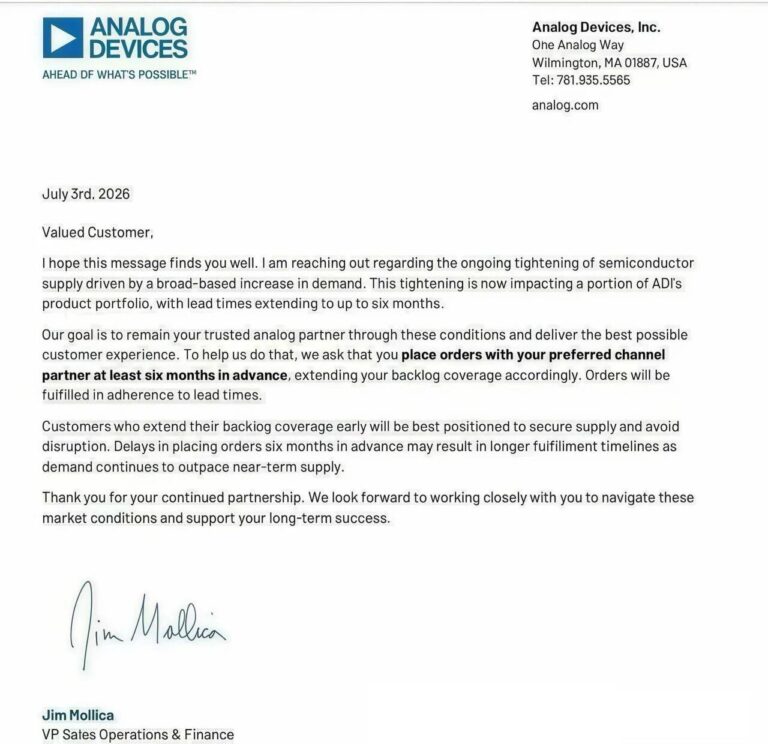
WILMINGTON, Mass. – July 3, 2026 – Analog Devices, Inc. (ADI), the global leading supplier of high-performance analog, mixed-signal and signal processing semiconductors, has…
Read More
The activity of extra discounts on wholesale prices is in full swing…
Please fill in your contact information and we will send you the latest wholesale price list.

