 ChipApex | Global Electronic Components Supplier

SEARCH
Search Product
Search Post
— IC芯片 | 连接器 | 传感器 | 被动器件 —
Search productSearch post
— IC芯片 | 连接器 | 传感器 | 被动器件 —
Consult the customer manager about the wholesale price.
consultation hotline:86-132-6715-2157
email:[email protected]
Contact the product manager for consultation. One-stop consultation is available.
Do you want a lower wholesale price? Please send us your inquiry and we will reply immediately.
The Phoenix Contact 1405695 is a PCB terminal block designed for secure electrical connections in industrial control environments. It features a nominal current rating of 24 A and supports a rated voltage of 800 V. The component utilizes a screw connection method with a pitch of 7.62 mm, accommodating conductors within a cross-section range of 0.5 mm² to 4 mm². Constructed from polycarbonate (PC) housing material, it ensures high dielectric strength and flame resistance according to UL 94 V-0 standards. The unit is designed for DIN rail mounting or direct PCB installation, providing reliable signal and power transmission under demanding operational conditions.
Verify the specific ordering code against the official Phoenix Contact catalog to ensure compatibility with existing assembly requirements. Confirm that the technical specifications, including current ratings and insulation voltages, align with the intended application's safety standards. Cross-reference the package type and pin configuration to prevent integration errors during production planning.
Select this component based on its 7.62 mm pitch requirement and 24 A current capacity. Ensure the operating environment temperature range falls within the specified limits for polycarbonate materials. Consider the mounting style compatibility with the target printed circuit board design before finalizing the procurement decision.
This terminal block belongs to Phoenix Contact's standard series of PCB connectors, widely utilized in European industrial engineering. It complements other components in the same pitch family, allowing for modular expansion of control circuits. The design emphasizes ease of wiring and long-term reliability in harsh electromagnetic and thermal environments typical of factory automation.
Direct substitutes must match the 7.62 mm pitch, 24 A rating, and screw termination type. Verify housing dimensions and mounting hole patterns to ensure physical interchangeability without modifying the PCB footprint.
 1405695
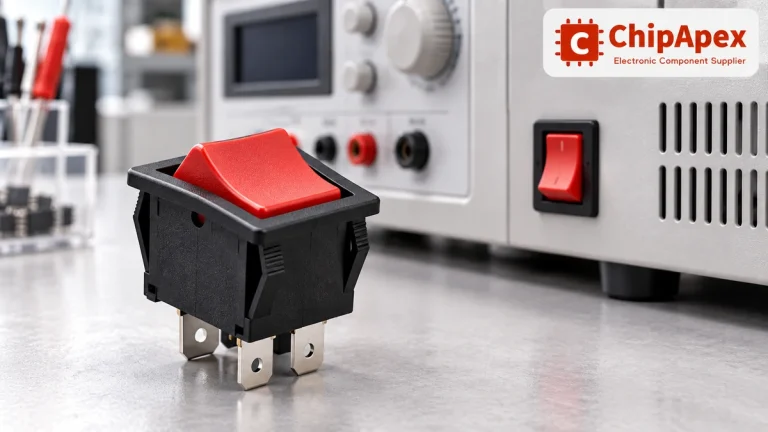
Choose a rocker switch by AC/DC ratings, contact arrangement, illumination, panel fit and sealing. Get practical checks for engineering and component sourcing.
Read More
Select a bridge rectifier by reverse voltage, capacitor charging current, startup surge and cooling. Work through a stated DC voltage and ripple example.
Read More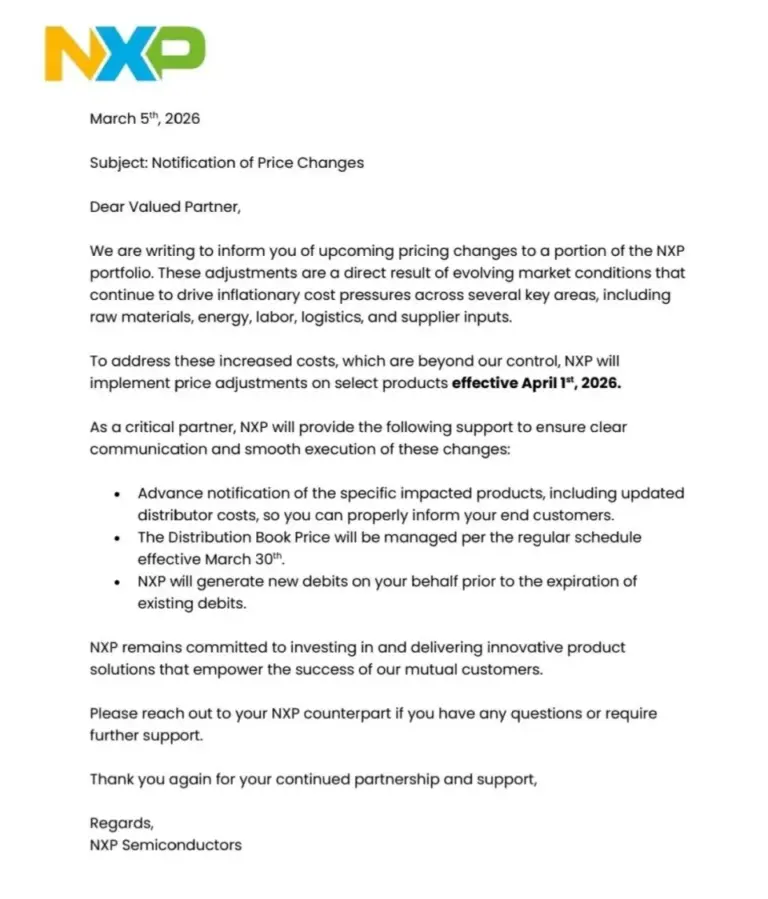
NXP Semiconductors (NASDAQ: NXPI), a global leader in automotive, industrial, and IoT semiconductors, has officially notified customers of an upcoming price adjustment for select…
Read More
Recently, global semiconductor manufacturers have been constantly making moves in aspects such as technological cooperation, product manufacturing processes, and market layout, demonstrating the rapid…
Read More
Learn the relay definition, coil and contact operation, NO and NC forms, load ratings and suppression choices. Compare mechanical, reed and solid-state types.
Read More
Geneva, Switzerland – August 20, 2026 – Global leading semiconductor manufacturer STMicroelectronics (ST) has officially issued a new global price adjustment notice to global…
Read More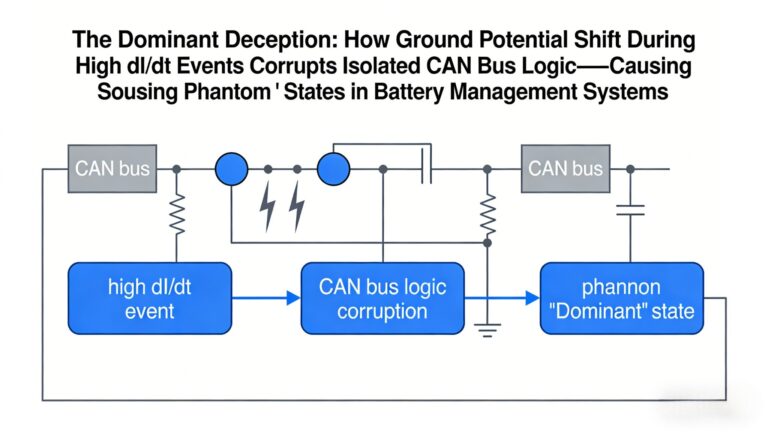
Stay ahead with ChipApex Insights — technical deep dives, market trends, and sourcing tips for memory, microcontrollers, power management, and industrial-grade components. Trusted by…
Read More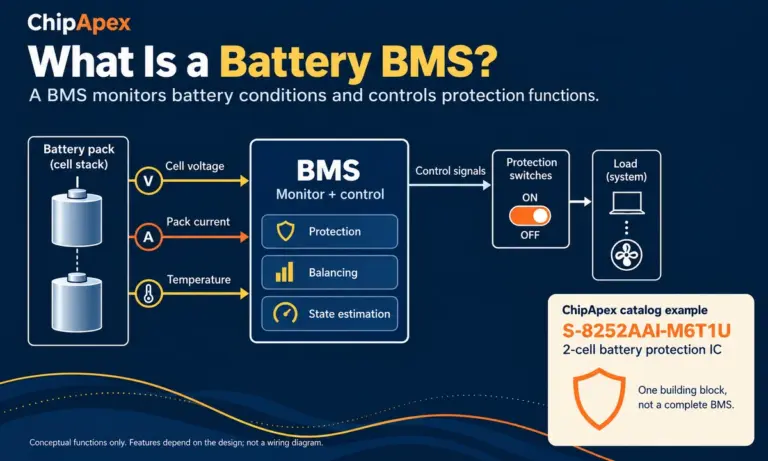
Learn what a battery BMS does, how protection differs from charging, and which pack specifications to check when sourcing BMS components through ChipApex.
Read More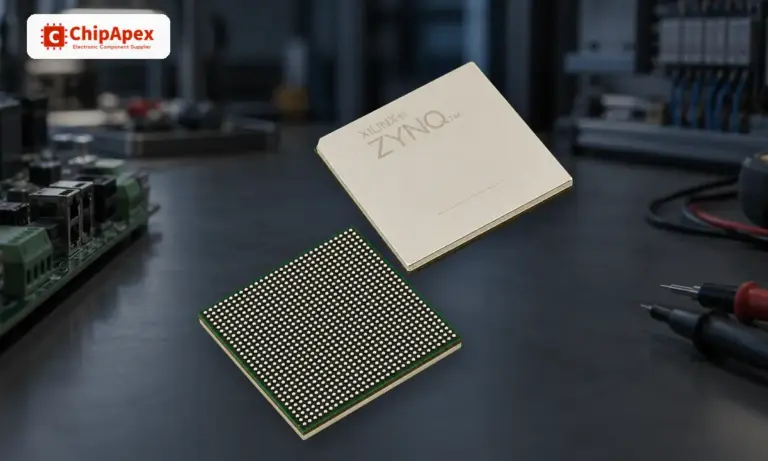
Learn what an integrated circuit is, how ICs work, the main types and the specs to check before choosing a part for your design…
Read More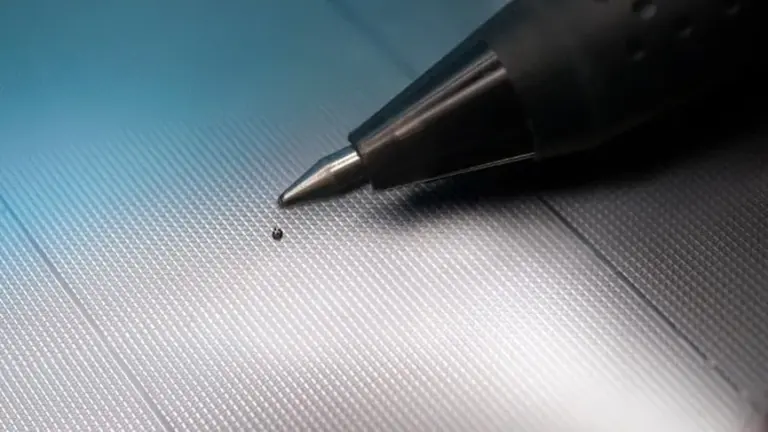
Recently, the global electronic components market has been constantly evolving, and different regions and enterprises have witnessed new moves in aspects such as technological…
Read More
See when an inductor behaves linearly, how DC bias and saturation reduce inductance, and which current and temperature curves to check.
Read More
In the world of embedded electronics, getting a device to “think” is only half the battle. The other half is getting it to communicate…
Read More
The activity of extra discounts on wholesale prices is in full swing…
Please fill in your contact information and we will send you the latest wholesale price list.




