 ChipApex | Global Electronic Components Supplier

SEARCH
Search Product
Search Post
— IC芯片 | 连接器 | 传感器 | 被动器件 —
Search productSearch post
— IC芯片 | 连接器 | 传感器 | 被动器件 —
Consult the customer manager about the wholesale price.
consultation hotline:86-132-6715-2157
email:[email protected]
Contact the product manager for consultation. One-stop consultation is available.
Do you want a lower wholesale price? Please send us your inquiry and we will reply immediately.
AP7383-41Y-13 is listed in the Voltage Regulators - Linear, Low Drop Out (LDO) Regulators range at ChipApex. The manufacturer field lists Diodes Incorporated. Its product description is IC REG LINEAR 4.1V 150MA SOT89-3. Review the specifications below when checking this part for your BOM.
The AP7383-41Y-13 is a positive voltage regulator IC from Diodes Incorporated, featuring a wide input voltage range up to 30V and a fixed output of 4.15V. It provides a maximum output current of 150mA with ultra-low quiescent current of 1.8µA typical. The device operates within a junction temperature range of -40°C to +125°C and includes thermal shutdown protection. Packaged in SOT-89-3, it utilizes a CMOS process for high accuracy and low dropout performance.
Verify the specific ordering suffix 'Y' confirms the SOT-89 package and '-13' indicates tape and reel packaging. Confirm the exact output voltage designation matches the required 4.15V specification. Check for RoHS compliance status and ensure the component meets moisture sensitivity level requirements for the intended manufacturing process.
Select this component when a fixed 4.15V output is required with an input voltage up to 30V. Ensure the application demands low ground current and fits within the SOT-89 footprint. Verify that the load current does not exceed 150mA and that the operating temperature range aligns with system constraints.
This part belongs to the AP7383 series of wide input voltage ULDO regulators. It shares features like thermal shutdown and low dropout with other variants in the family but differs in output voltage and package type. The series supports multiple fixed output voltages and packages including SOT25 and U-DFN2020-6.
AP7383-41Y-13 is marked as 'Not Recommend For New Design'. Consider alternative packages or newer series versions if available. Verify pinout compatibility before substituting with other LDO regulators offering similar voltage and current ratings.
Explore related parts through Power Management (PMIC), Integrated Circuits (ICs), all product categories, ChipApex homepage.
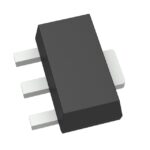 AP7383-41Y-13
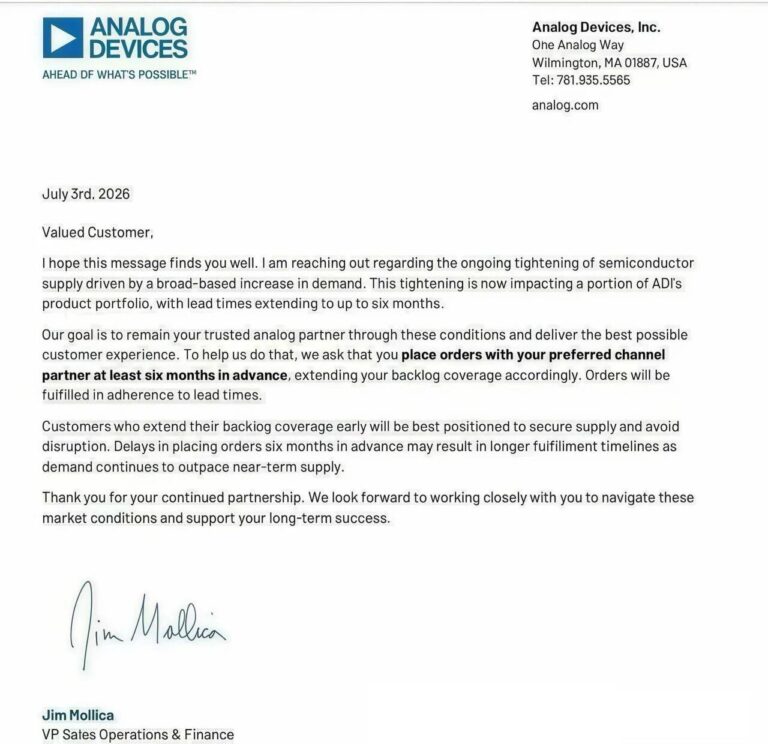
AP7383-41Y-13 is listed in the Voltage Regulators - Linear, Low Drop Out (LDO) Regulators range at ChipApex. The manufacturer field lists Diodes Incorporated. Its…
Read More
AP7383-41Y-13 is listed in the Voltage Regulators - Linear, Low Drop Out (LDO) Regulators range at ChipApex. The manufacturer field lists Diodes Incorporated. Its…
Read More
AP7383-41Y-13 is listed in the Voltage Regulators - Linear, Low Drop Out (LDO) Regulators range at ChipApex. The manufacturer field lists Diodes Incorporated. Its…
Read More
AP7383-41Y-13 is listed in the Voltage Regulators - Linear, Low Drop Out (LDO) Regulators range at ChipApex. The manufacturer field lists Diodes Incorporated. Its…
Read More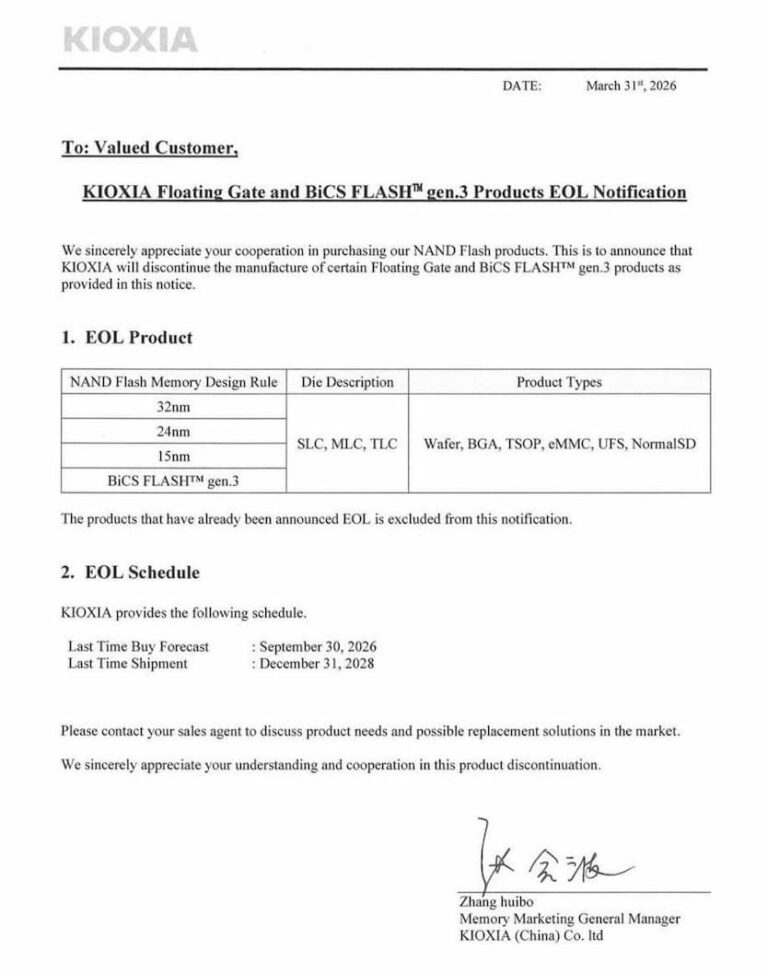
AP7383-41Y-13 is listed in the Voltage Regulators - Linear, Low Drop Out (LDO) Regulators range at ChipApex. The manufacturer field lists Diodes Incorporated. Its…
Read More
Learn the relay definition, coil and contact operation, NO and NC forms, load ratings and suppression choices. Compare mechanical, reed and solid-state types.
Read More
Compare Pt100 and Pt1000 RTDs, two-, three- and four-wire connections, excitation and self-heating. Build an error budget from element to reported temperature.
Read More
Learn why PTC resistance rises with temperature, how it differs from NTC, and which ratings matter for sensing and protection.
Read More
Learn what an IMU measures, how accelerometers and gyroscopes work together, why orientation estimates drift, and what to compare.
Read More
AP7383-41Y-13 is listed in the Voltage Regulators - Linear, Low Drop Out (LDO) Regulators range at ChipApex. The manufacturer field lists Diodes Incorporated. Its…
Read More
AP7383-41Y-13 is listed in the Voltage Regulators - Linear, Low Drop Out (LDO) Regulators range at ChipApex. The manufacturer field lists Diodes Incorporated. Its…
Read More
See when an inductor behaves linearly, how DC bias and saturation reduce inductance, and which current and temperature curves to check.
Read More
The activity of extra discounts on wholesale prices is in full swing…
Please fill in your contact information and we will send you the latest wholesale price list.




