 ChipApex | Global Electronic Components Supplier

SEARCH
Search Product
Search Post
— IC芯片 | 连接器 | 传感器 | 被动器件 —
Search productSearch post
— IC芯片 | 连接器 | 传感器 | 被动器件 —
Consult the customer manager about the wholesale price.
consultation hotline:86-132-6715-2157
email:[email protected]
Contact the product manager for consultation. One-stop consultation is available.
Do you want a lower wholesale price? Please send us your inquiry and we will reply immediately.
The CBPS0640-316 is a split bottom plate manufactured from AISI 316 stainless steel, designed for use with Hoffman enclosures. It features dimensions of 600 mm in width and 400 mm in depth, with a thickness of 1.5 mm and a height of 25 mm. The material provides enhanced corrosion resistance compared to standard grades. This component serves as a structural base element for custom enclosure assemblies.
Verify the specific suffix requirements for your application, as the base model may differ from the 316 variant. Confirm dimensional compatibility with the target enclosure frame. Ensure that the split configuration aligns with your cable management strategy. Cross-reference the part number with official nVent Hoffman documentation to confirm current availability and specifications.
Select this component when high corrosion resistance is required for the enclosure base. The 316 stainless steel grade offers better performance in chemical or marine environments than standard 304 steel. Consider the split design if frequent cable access is necessary. Verify that the 600x400 mm footprint matches the intended enclosure width and depth.
This part belongs to the Hoffman Enclosures line of box components. It functions as a floor plate option for constructing custom metal enclosures. The product series includes various sizes and materials to suit different industrial protection needs. It is distributed through authorized electronic component suppliers.
The CBPS0640-316 is a specific variant of the CBPS0640 series. Direct substitutes are limited to other manufacturers offering identical 600x400 mm split plates in 316 stainless steel. Compatibility depends on precise mounting hole alignment and thickness matching.
 CBPS0640-316
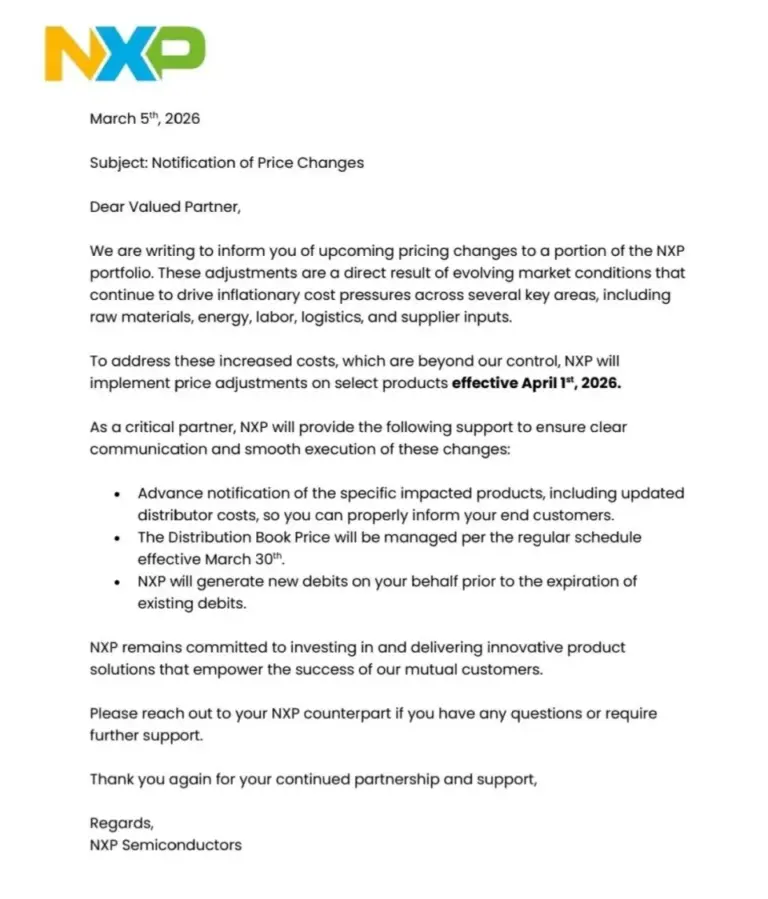
NXP Semiconductors (NASDAQ: NXPI), a global leader in automotive, industrial, and IoT semiconductors, has officially notified customers of an upcoming price adjustment for select…
Read More
If you’ve spent any time staring at a schematic, you’ve seen the triangle. Two inputs, one output, and a gain symbol that looks deceptively…
Read More
Learn how a diode conducts, how to identify anode and cathode, and when to choose rectifier, TVS, Zener or photodiode types for a circuit.
Read More
Understand how oscillators generate timing signals, how they differ from crystals, and which frequency, output and stability specs matter when choosing one.
Read More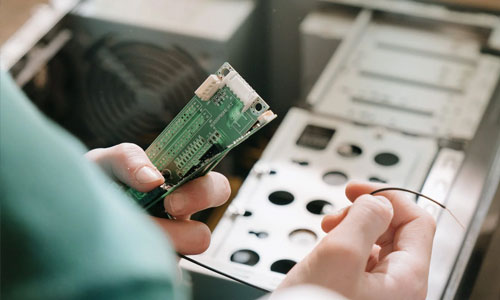
[Shenzhen/Shanghai/Beijing, January 2025] — As global digital transformation accelerates, the electronic components industry has reached a critical inflection point in 2025. Emerging fields such…
Read More
Learn what an IMU measures, how accelerometers and gyroscopes work together, why orientation estimates drift, and what to compare.
Read More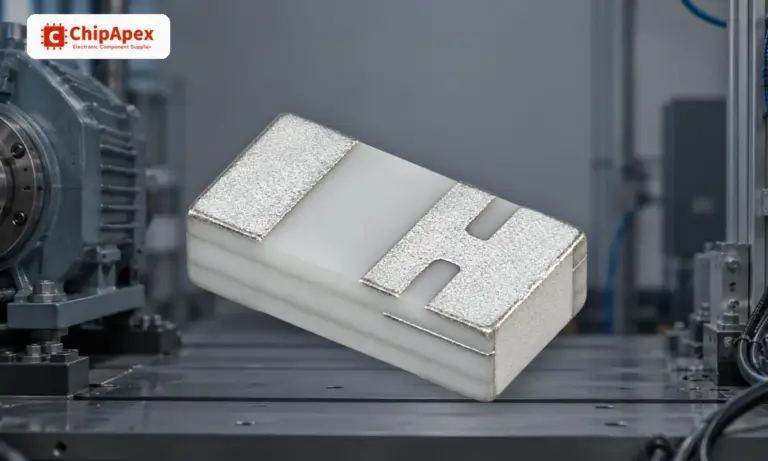
Find out when a bare shock switch needs a pull resistor, when an MCU internal pull-up is enough, and why sensor modules and piezo…
Read More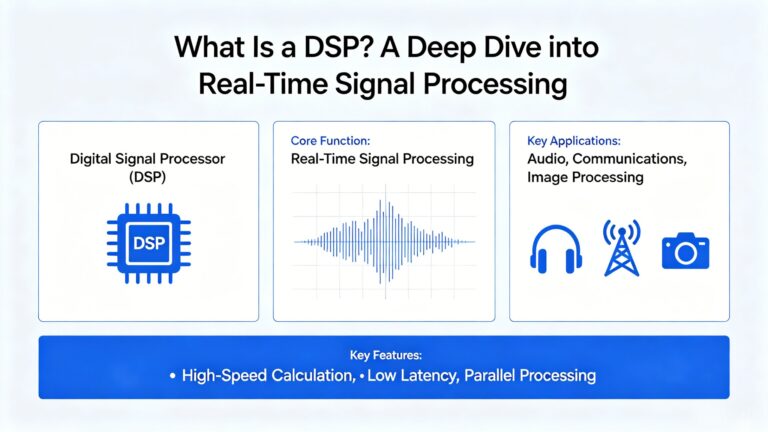
In the embedded world, general-purpose CPUs are great at running operating systems, and MCUs excel at logic control. But when you need to process…
Read More
Selecting the right microcontroller (MCU) isn’t just about specs—it’s about balancing performance, power, cost, and supply chain reliability. As an engineer, you’ve probably faced…
Read More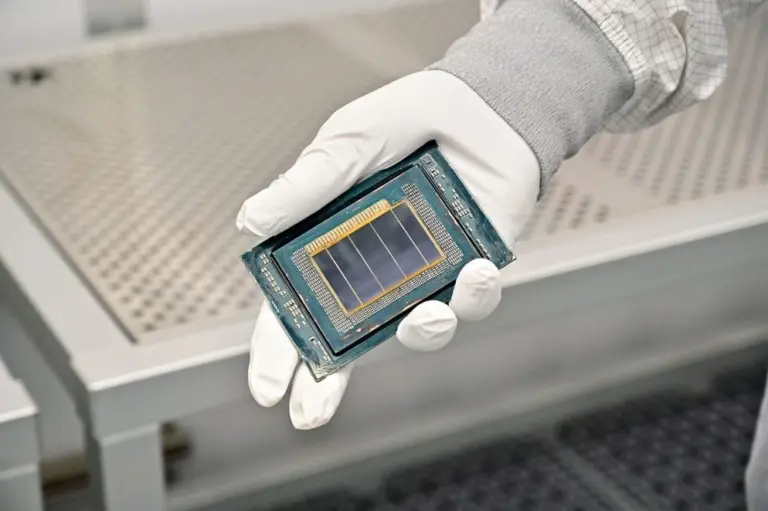
Recently, global semiconductor manufacturers have been constantly taking actions and presenting numerous new developments in aspects such as process technology and product research and…
Read More
Compare Pt100 and Pt1000 RTDs, two-, three- and four-wire connections, excitation and self-heating. Build an error budget from element to reported temperature.
Read More
A perfect storm of surging demand and supply chain disruptions is roiling the global electronic components market, with advanced semiconductors and critical materials now…
Read More
The activity of extra discounts on wholesale prices is in full swing…
Please fill in your contact information and we will send you the latest wholesale price list.




