ChipApex | Global Electronic Components Supplier

SEARCH
Search Product
Search Post
— IC芯片 | 连接器 | 传感器 | 被动器件 —
Search productSearch post
— IC芯片 | 连接器 | 传感器 | 被动器件 —
Consult the customer manager about the wholesale price.
consultation hotline:86-132-6715-2157
email:[email protected]
Contact the product manager for consultation. One-stop consultation is available.
Do you want a lower wholesale price? Please send us your inquiry and we will reply immediately.
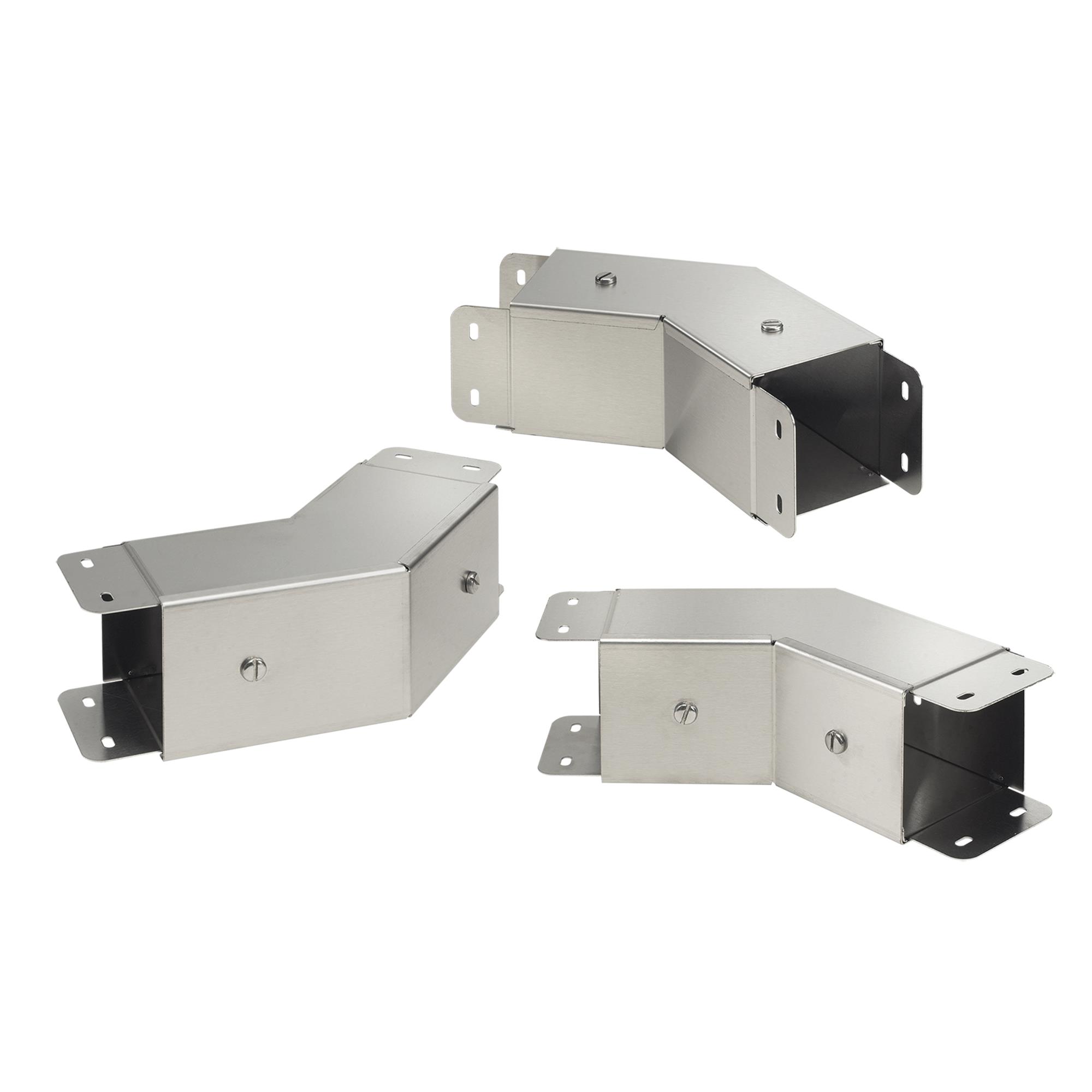
The nVent Hoffman CTS33EFC45SS is a 3-inch wide cable tray elbow component designed for indoor wire management applications. Constructed from Type 304 stainless steel, this unit features a 45-degree angle configuration to facilitate directional changes in cable routing systems. The assembly includes a front cover and utilizes a sloped design to support organized cable placement. It is rated for Type 1 indoor environments, providing basic protection against falling debris and limited ingress of liquids while maintaining structural integrity in controlled industrial settings.
Verify the specific material grade and dimensional tolerances against project requirements before procurement. Confirm that the Type 1 rating aligns with the intended indoor installation environment. Ensure compatibility with existing 3-inch cable tray infrastructure. Request official datasheets to validate construction details and mounting specifications prior to purchase.
Select this component when a 45-degree directional change is required within a 3-inch stainless steel cable tray system. Ensure the application remains indoors to comply with the Type 1 rating. Verify that the sloped design meets the specific cable bending radius and organization needs of the installation. Confirm compatibility with adjacent straight runs and other fittings in the network.
This part belongs to the nVent Hoffman CLEAN TRAY series, which provides modular solutions for organizing cables within enclosures and panels. The series emphasizes ease of installation and systematic wire management. Components are designed to work together to create structured pathways for electrical and data cabling in industrial and commercial control environments.
No public confirmed substitute part numbers are available for this specific model.
 CTS33EFC45SS
In the world of embedded electronics, getting a device to “think” is only half the battle. The other half is getting it to communicate…
Read More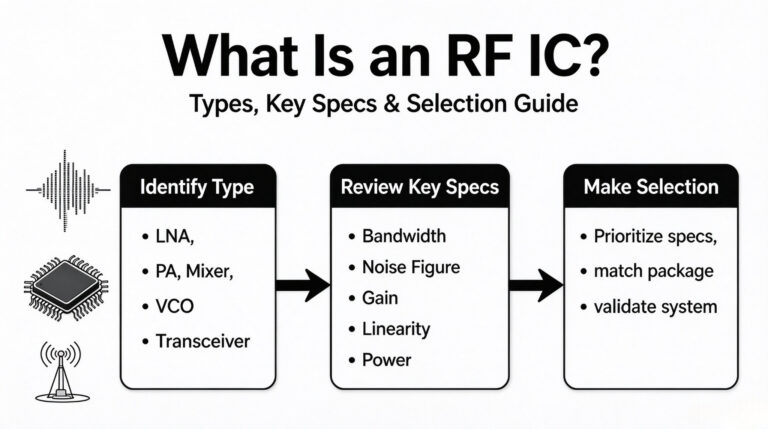
An RF IC, or radio-frequency integrated circuit, is a chip that processes wireless signals between the antenna and the baseband processor. Instead of building…
Read More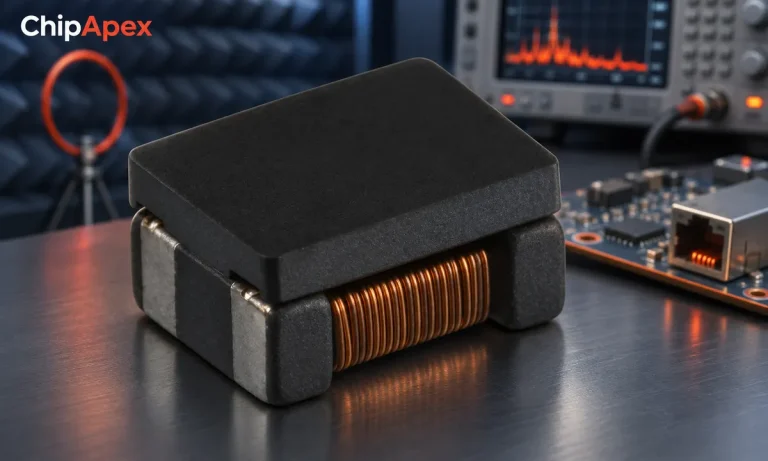
Select a common mode choke using noise frequency, current, insulation and signal integrity. Understand impedance curves, layout and filter limitations.
Read More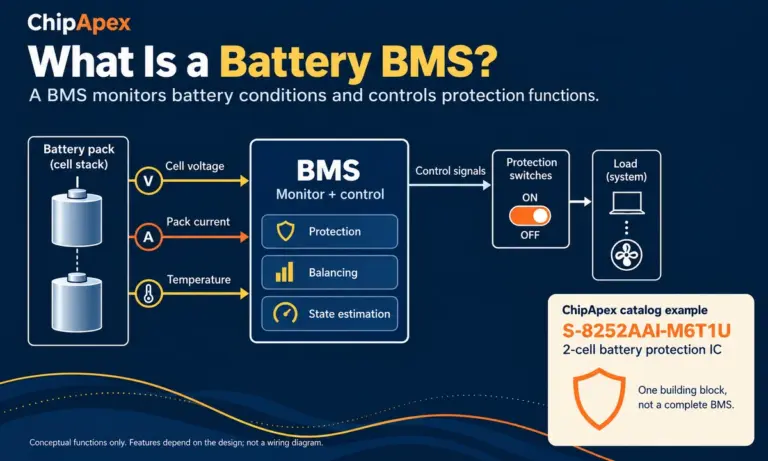
Learn what a battery BMS does, how protection differs from charging, and which pack specifications to check when sourcing BMS components through ChipApex.
Read More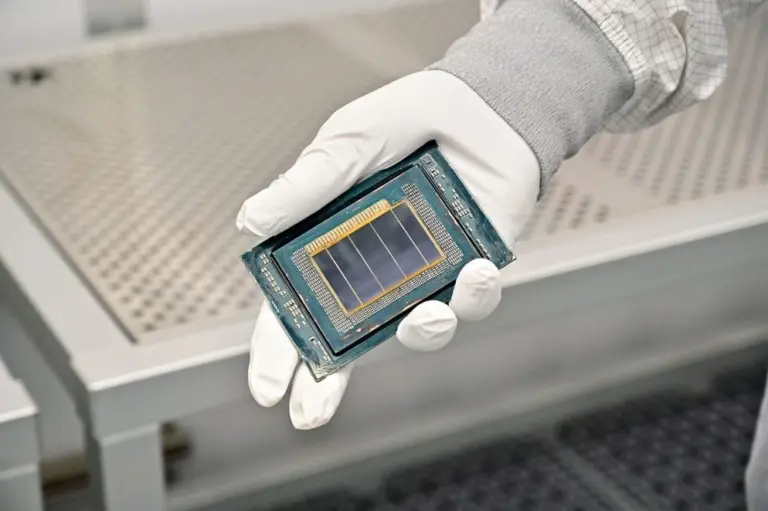
Recently, global semiconductor manufacturers have been constantly taking actions and presenting numerous new developments in aspects such as process technology and product research and…
Read More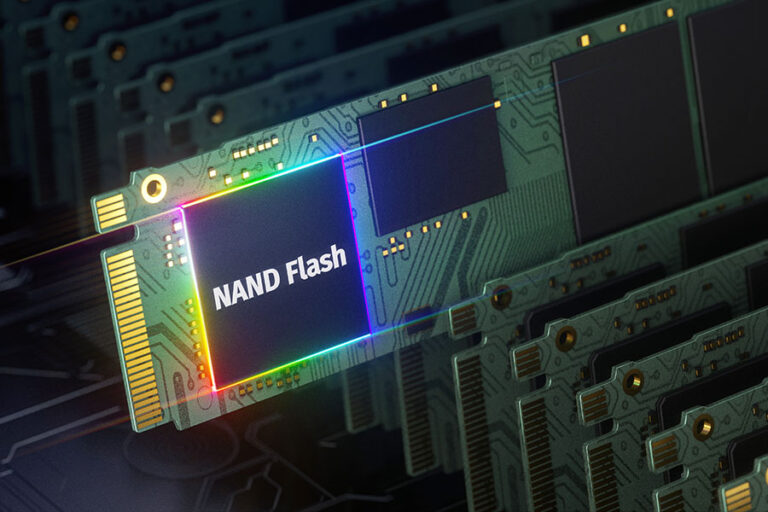
What Is NAND Flash? A Practical Guide for Engineers & Procurement Teams In today’s data-driven world—from smartphones and SSDs to industrial IoT devices—NAND flash…
Read More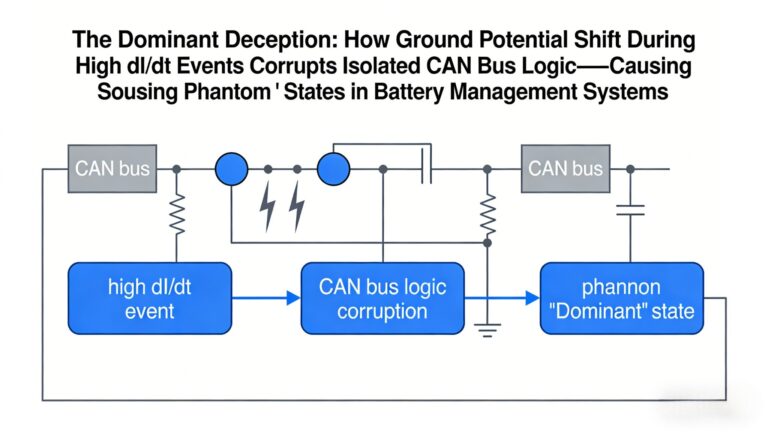
Stay ahead with ChipApex Insights — technical deep dives, market trends, and sourcing tips for memory, microcontrollers, power management, and industrial-grade components. Trusted by…
Read More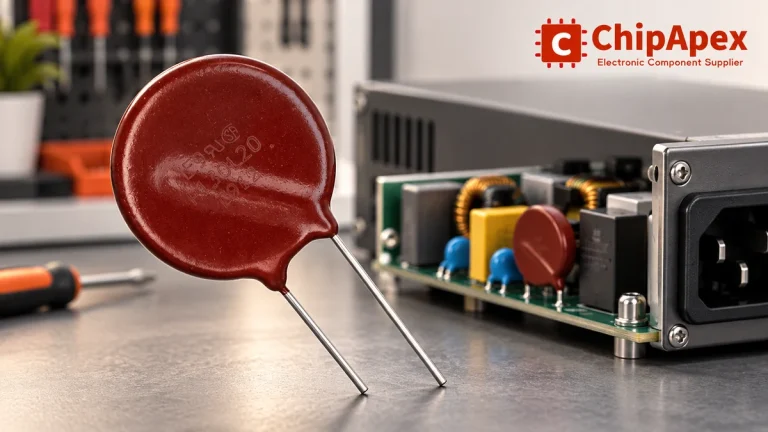
Select MOV varistors by continuous voltage, clamping behavior, surge waveform and repetition. Check thermal disconnection, fuse coordination and replacements.
Read More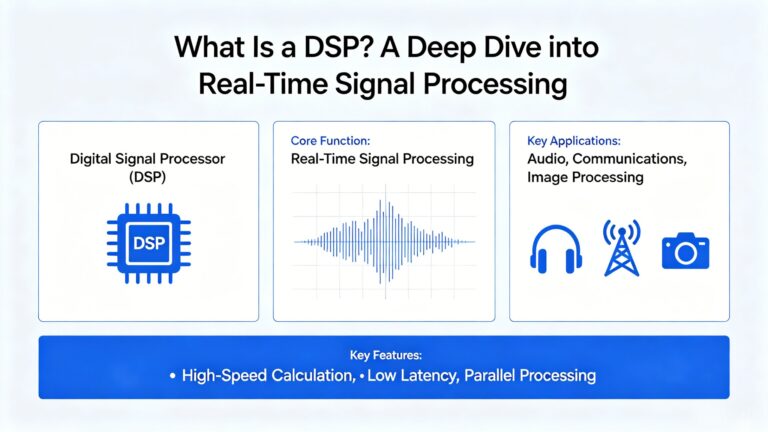
In the embedded world, general-purpose CPUs are great at running operating systems, and MCUs excel at logic control. But when you need to process…
Read More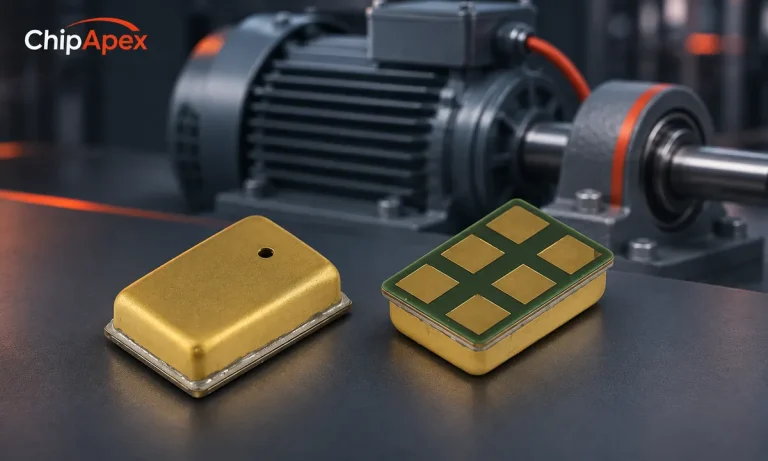
Choose a vibration sensor for machine monitoring. Compare sensing methods, bandwidth, noise and mounting, then define the signal-chain requirements.
Read More
Learn how a pressure transducer converts pressure into voltage, current, or digital output, and compare pressure references and key selection specs.
Read More
Learn the relay definition, coil and contact operation, NO and NC forms, load ratings and suppression choices. Compare mechanical, reed and solid-state types.
Read More
The activity of extra discounts on wholesale prices is in full swing…
Please fill in your contact information and we will send you the latest wholesale price list.