ChipApex | Global Electronic Components Supplier

SEARCH
Search Product
Search Post
— IC芯片 | 连接器 | 传感器 | 被动器件 —
Search productSearch post
— IC芯片 | 连接器 | 传感器 | 被动器件 —
Consult the customer manager about the wholesale price.
consultation hotline:86-132-6715-2157
email:[email protected]
Contact the product manager for consultation. One-stop consultation is available.
Do you want a lower wholesale price? Please send us your inquiry and we will reply immediately.
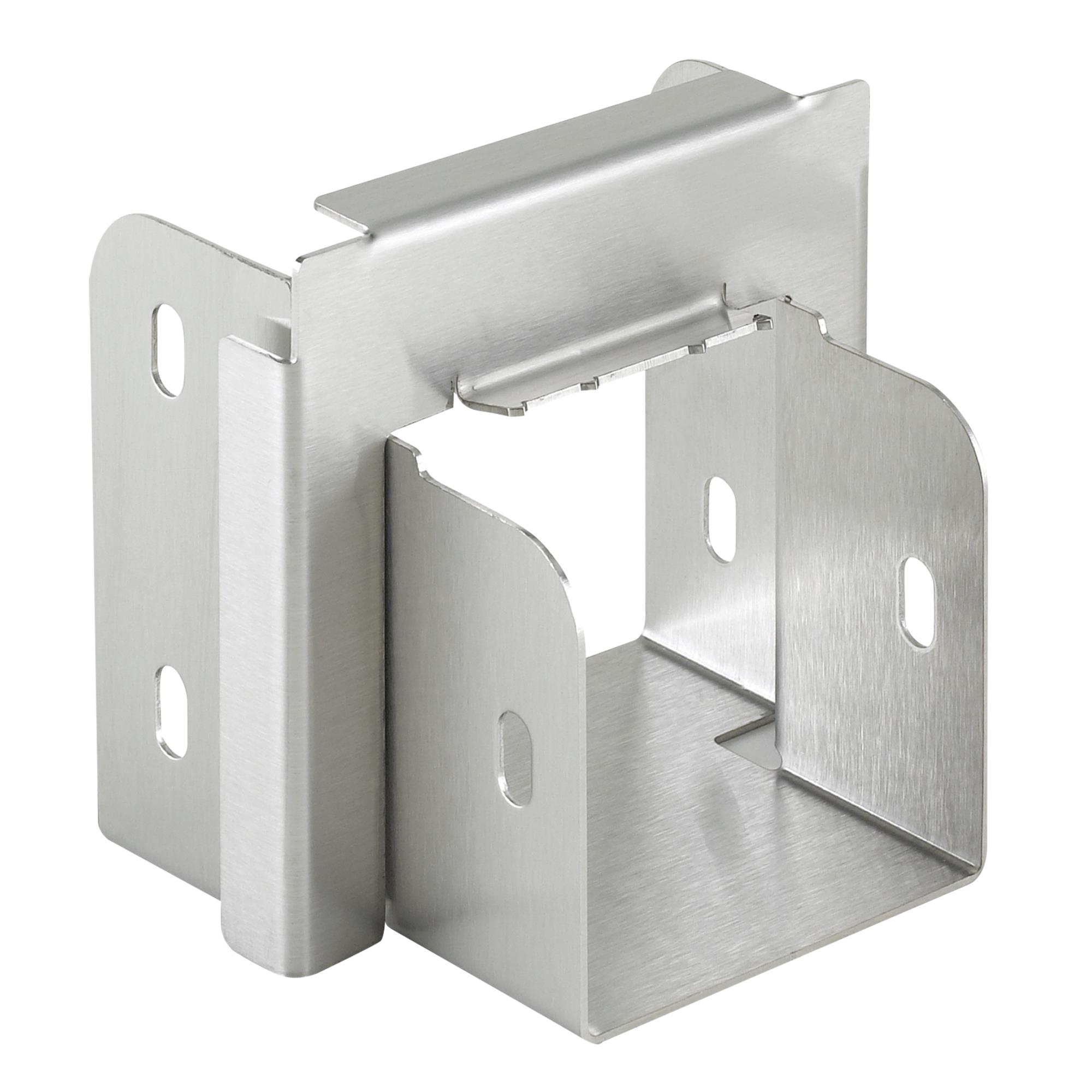
The Hoffman Enclosures CTS4633RLSS is a Clean Tray reducer designed for indoor cable management systems. Constructed from Type 304 stainless steel with a brushed #3 finish, this component transitions between tray sizes. It features a left-sloped configuration to facilitate directional changes in wire routing. The unit measures 4 inches in height and 2-1/2 inches in width, connecting a 4x6 inch input section to a 3x3 inch output section. This unpainted design ensures compatibility with standard industrial enclosure environments while maintaining structural integrity.
Verify the specific dimensional requirements against your existing Clean Tray infrastructure before purchase. Confirm that the left-sloped orientation matches your layout needs. Ensure the Type 304 stainless steel specification meets your corrosion resistance standards. Check for any required mounting hardware not included with the reducer unit itself.
Select this model when transitioning from a larger 4x6 tray section to a smaller 3x3 section within an indoor environment. The left-sloped design is critical for specific routing paths. Consider the brushed #3 finish for aesthetic consistency with other nVent HOFFMAN components. Stainless steel selection provides durability for standard industrial applications.
This reducer belongs to the Hoffman Clean Tray series, which provides organized cable management solutions for enclosures. The CTS4633RLSS specifically addresses size reduction needs within these systems. It complements other tray components to create continuous, structured pathways for wires and cables inside electrical panels.
No public confirmed substitute part numbers are available for this specific left-sloped reducer configuration.
 CTS4633RLSS

Learn how a diode conducts, how to identify anode and cathode, and when to choose rectifier, TVS, Zener or photodiode types for a circuit.
Read More
The multilayer ceramic capacitor (MLCC) market has fallen into a severe structural supply crunch in the third quarter of 2026, driven by explosive demand…
Read More
Understand load cell sensor output, bridge wiring and calibration. Learn how mV/V sensitivity, mechanics and ADC noise affect measurement accuracy.
Read More
Find out when a bare shock switch needs a pull resistor, when an MCU internal pull-up is enough, and why sensor modules and piezo…
Read More
Wilmington, Mass. & Milpitas, Calif. – May 19, 2026 – Analog Devices, Inc. (NASDAQ: ADI), a global leader in high-performance analog and mixed-signal semiconductors,…
Read More
Over the past week, the global electronic components sector has witnessed dual transformations in policy and technology: Coupled with mounting pressure from a worsening…
Read More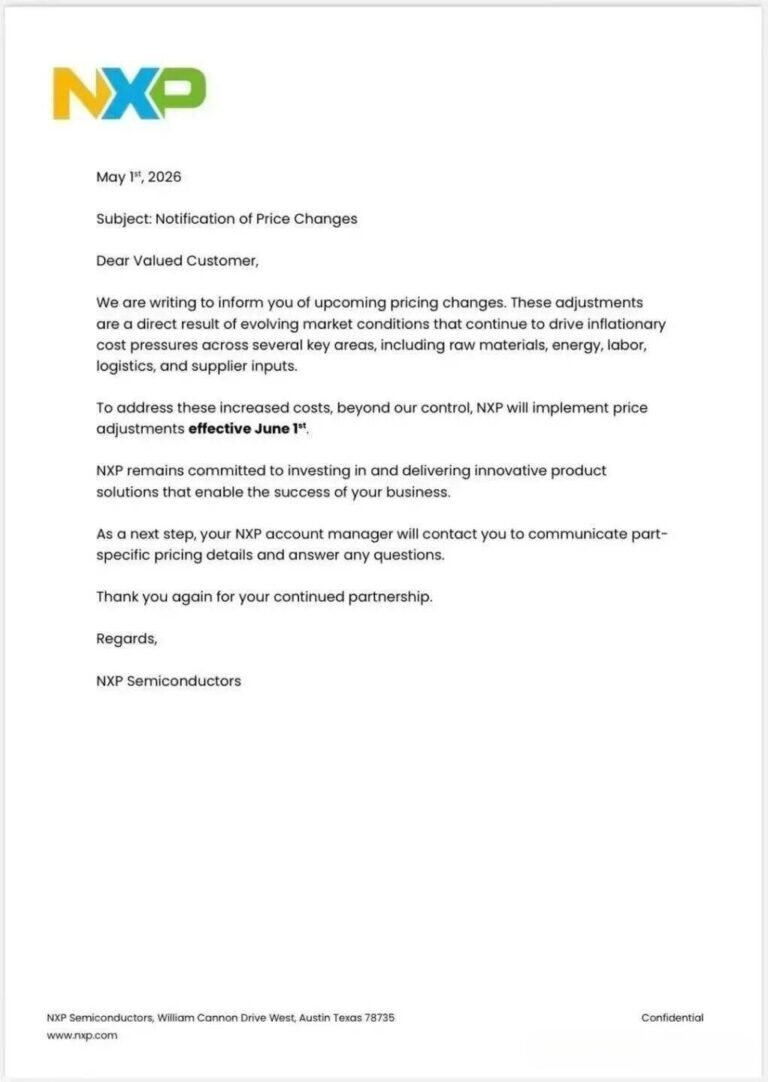
May 8, 2026 – Eindhoven, Netherlands NXP Semiconductors (NXPI), a global leader in automotive and industrial semiconductor solutions, has officially notified its worldwide channel…
Read More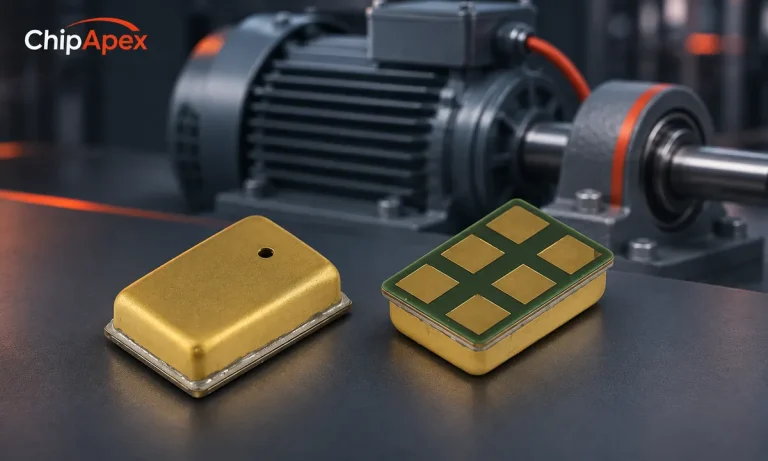
Choose a vibration sensor for machine monitoring. Compare sensing methods, bandwidth, noise and mounting, then define the signal-chain requirements.
Read More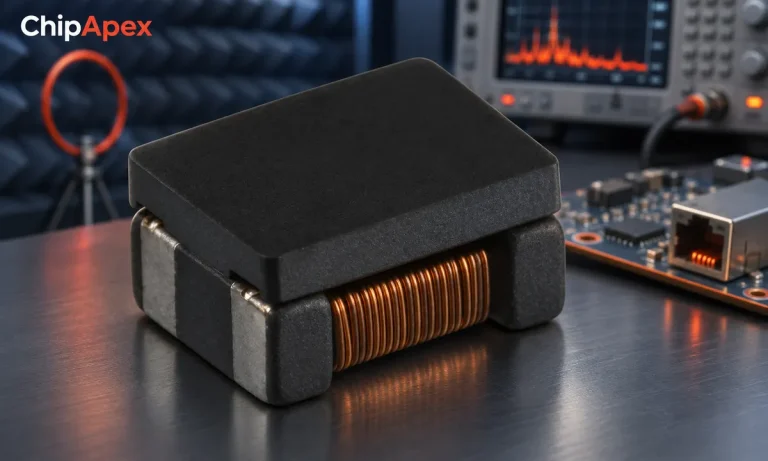
Select a common mode choke using noise frequency, current, insulation and signal integrity. Understand impedance curves, layout and filter limitations.
Read More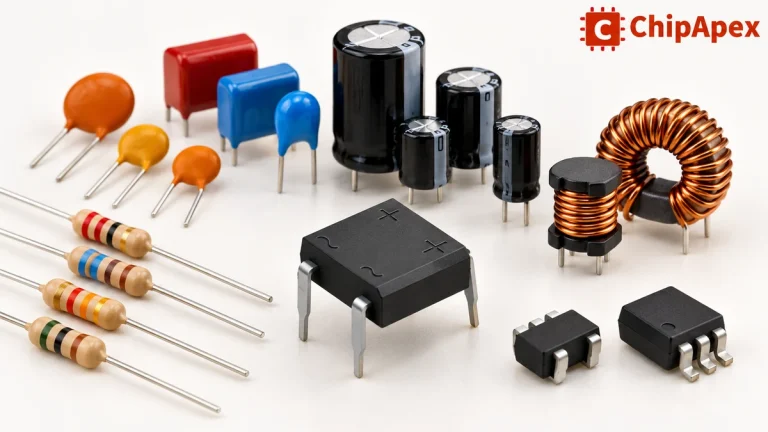
Explore electronic component types, functions, packages and datasheets. Learn selection, replacement and BOM checks before ordering parts for your PCB.
Read More
Understand UART protocol framing, baud rate and electrical interfaces. Learn 8N1 timing, TX/RX wiring, buffering and practical troubleshooting steps.
Read More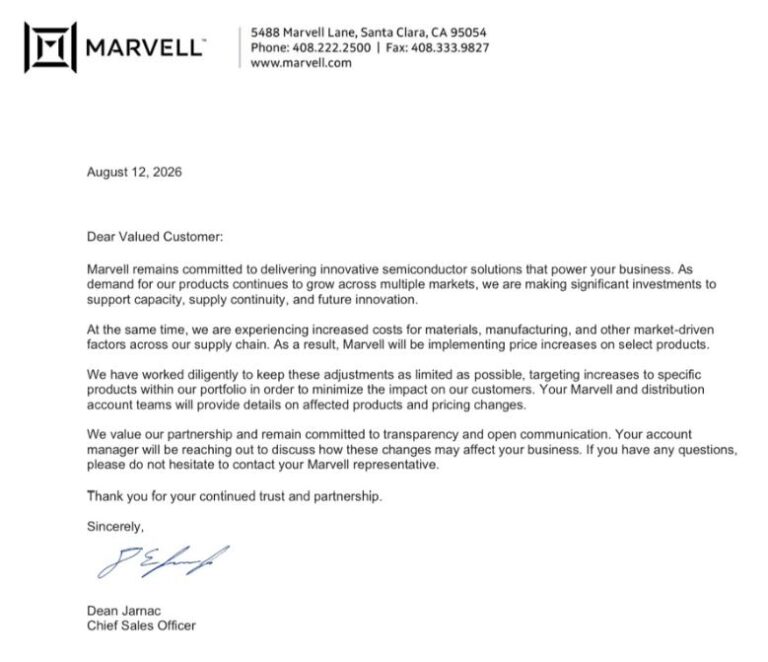
SANTA CLARA, Calif. — Leading semiconductor solution provider Marvell Technology (NASDAQ: MRVL) officially rolled out a selective price adjustment for its core electronic component…
Read More
The activity of extra discounts on wholesale prices is in full swing…
Please fill in your contact information and we will send you the latest wholesale price list.