ChipApex | Global Electronic Components Supplier

SEARCH
Search Product
Search Post
— IC芯片 | 连接器 | 传感器 | 被动器件 —
Search productSearch post
— IC芯片 | 连接器 | 传感器 | 被动器件 —
Consult the customer manager about the wholesale price.
consultation hotline:86-132-6715-2157
email:[email protected]
Contact the product manager for consultation. One-stop consultation is available.
Do you want a lower wholesale price? Please send us your inquiry and we will reply immediately.
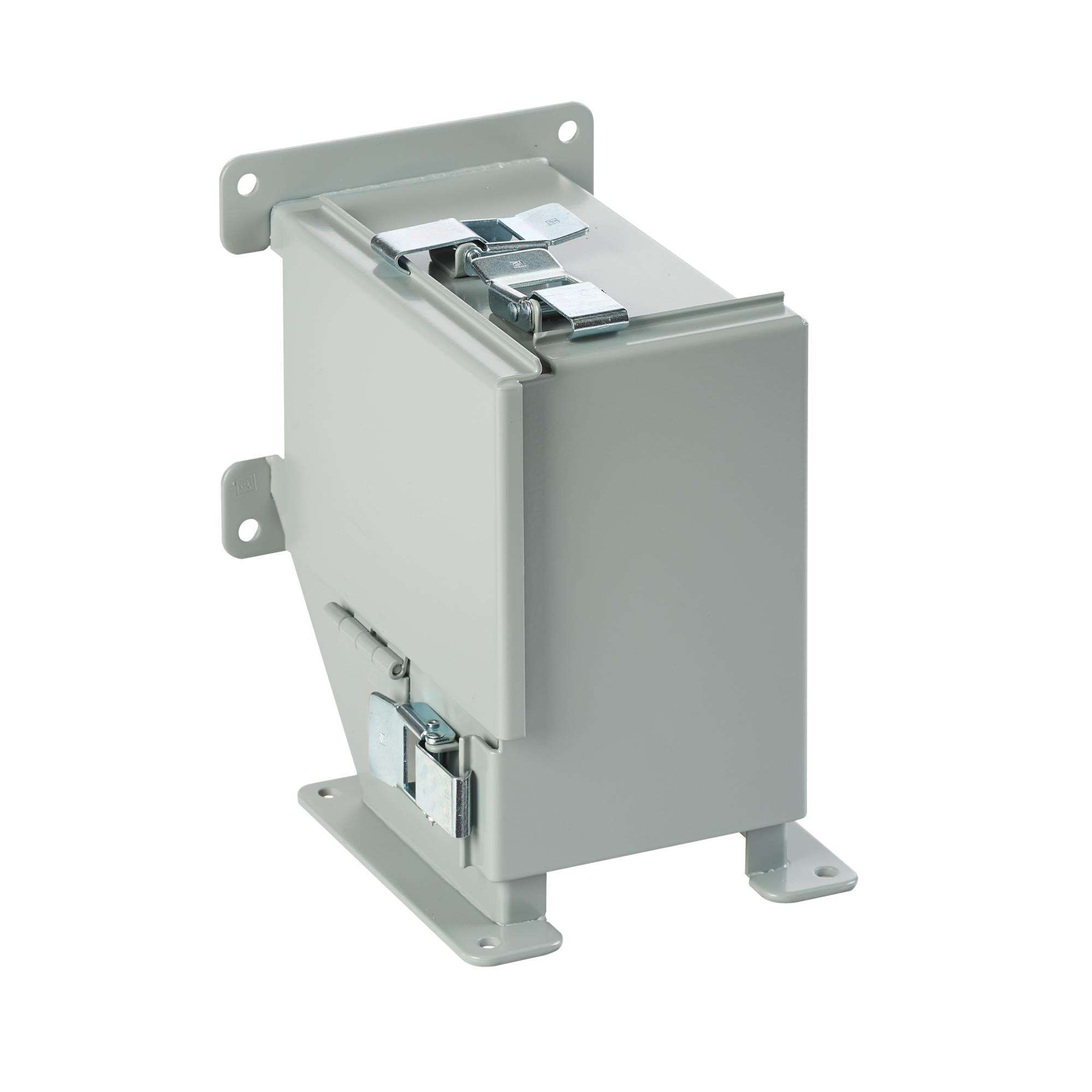
The Hoffman Enclosures F44LKT is a 4.00x4.00 inch clockwise transposition section designed for use with NEMA Type 12 and 3R lay-in wireway systems. Constructed from 14-gauge steel, it features an ANSI 61 gray polyester powder-coated finish over a pretreated surface. Certified by the Canadian Standards Association, this fitting allows for a 90-degree rotation of the wireway run while maintaining the lay-in cover functionality. It weighs approximately 6 lb and includes a flat sealing plate type.
Verify that the required protection rating matches your specific installation environment, as this component is certified for both Type 12 and Type 3R standards. Confirm the physical dimensions align with existing 4.00x4.00 inch wireway infrastructure to ensure proper fitment. Check for CSA certification marks if operating in regulated jurisdictions. Ensure compatibility with standard lay-in covers to maintain the intended sealing and access features.
Select this model when a 90-degree directional change is required within a continuous wireway run without interrupting the lay-in cover mechanism. The clockwise orientation is critical for matching the specific layout design. Consider the 14-gauge steel construction for durability in industrial environments. Verify that the gray polyester finish meets aesthetic or environmental requirements for the installation site.
This component belongs to the Hoffman F44 series of lay-in wireway accessories. It serves as a transitional fitting between straight sections or other angles, specifically engineered to rotate the cable path. It complements other F44 series components like straight sections and end caps to create complete cable routing solutions.
No public confirmed substitute part numbers are available in the provided documentation. Ensure exact dimensional and functional compatibility when sourcing alternatives.
 F44LKT

Learn how a pressure transducer converts pressure into voltage, current, or digital output, and compare pressure references and key selection specs.
Read More
Understand how oscillators generate timing signals, how they differ from crystals, and which frequency, output and stability specs matter when choosing one.
Read More
In embedded design, the tug-of-war between cost and performance is constant. On one side, you have Microcontrollers (MCUs)—cheap, simple, and efficient. On the other,…
Read More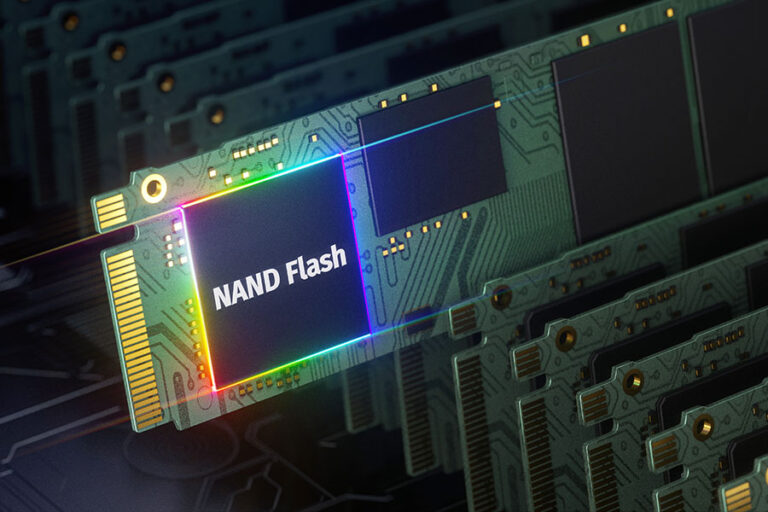
What Is NAND Flash? A Practical Guide for Engineers & Procurement Teams In today’s data-driven world—from smartphones and SSDs to industrial IoT devices—NAND flash…
Read More
The rapid advancement of artificial intelligence (AI) is transforming industries across the globe, and the world of electronic components is no exception. From smarter…
Read More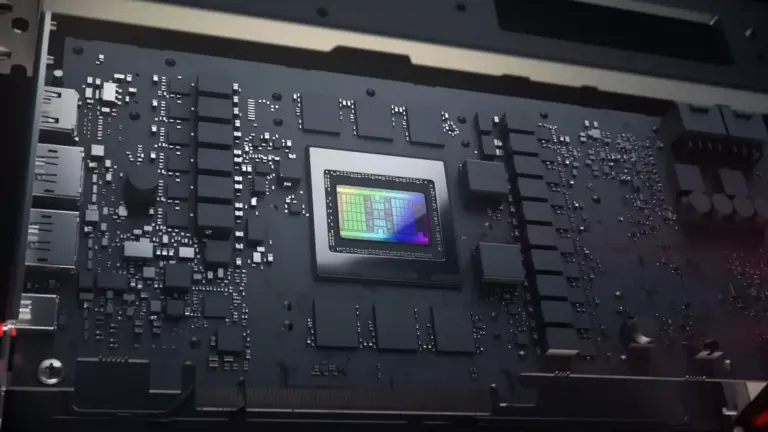
Latest updates from leading semiconductor manufacturers: Wolfspeed launches new SiC modules, AMD reveals MI430X with HBM4, TSMC eyes third Japan fab, and Samsung samples…
Read More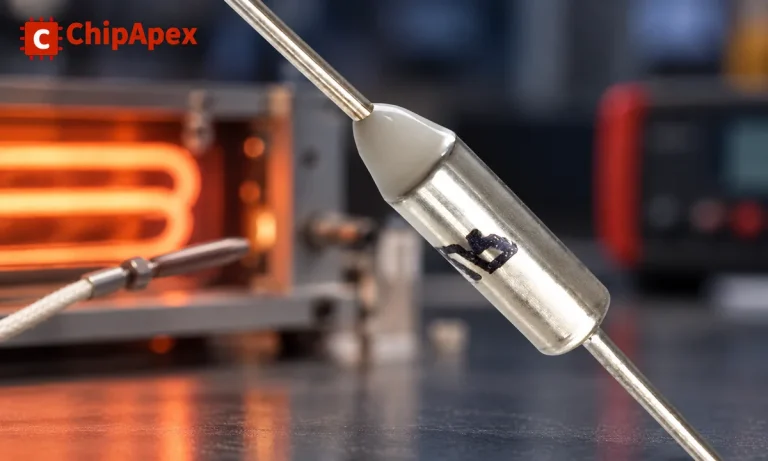
Understand thermal fuse operation, Tf, Th and Tm, electrical ratings and mounting. Check temperature limits and replacement requirements for your design.
Read More
Select MOV varistors by continuous voltage, clamping behavior, surge waveform and repetition. Check thermal disconnection, fuse coordination and replacements.
Read More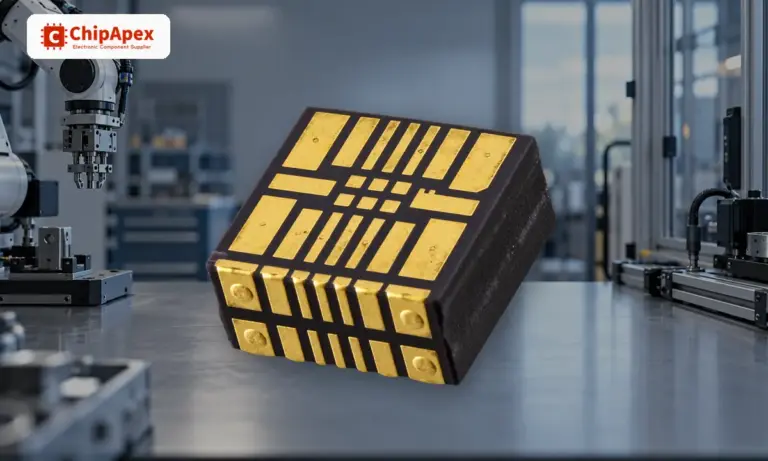
See how a MEMS gyroscope measures angular rate, why its angle estimate drifts, and which range, noise, interface and temperature specs to compare.
Read More
Recently, the global electronic component market has witnessed a series of new developments. The strategic layouts and market collaborations of major enterprises are constantly…
Read More
TOKYO, July 31, 2026 — Renesas Electronics Corporation has officially announced a major domestic manufacturing restructuring, confirming plans to gradually discontinue all wafer fabrication…
Read More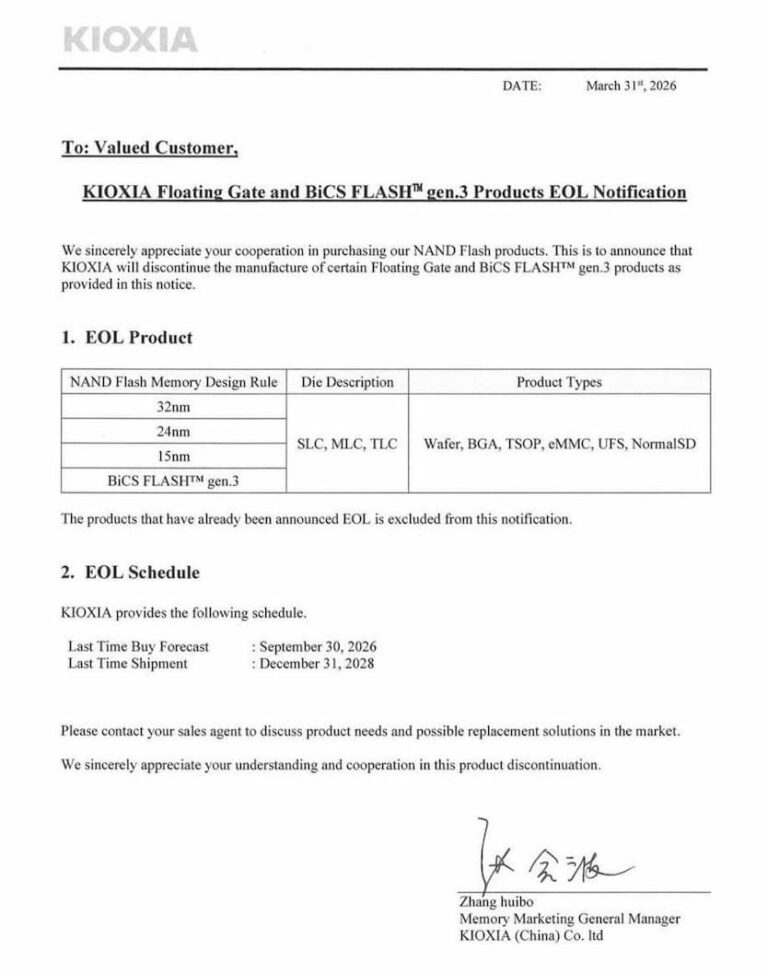
TOKYO, April 1, 2026 – Kioxia Corporation (formerly Toshiba Memory Corporation), a global leader in flash memory and storage solutions, has officially issued a…
Read More
The activity of extra discounts on wholesale prices is in full swing…
Please fill in your contact information and we will send you the latest wholesale price list.