 ChipApex | Global Electronic Components Supplier

SEARCH
Search Product
Search Post
— IC芯片 | 连接器 | 传感器 | 被动器件 —
Search productSearch post
— IC芯片 | 连接器 | 传感器 | 被动器件 —
Consult the customer manager about the wholesale price.
consultation hotline:86-132-6715-2157
email:[email protected]
Contact the product manager for consultation. One-stop consultation is available.
Do you want a lower wholesale price? Please send us your inquiry and we will reply immediately.
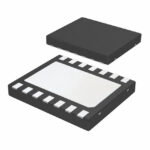
LM2678SD-5.0/NOPB is listed in the Voltage Regulators - DC DC Switching Regulators range at ChipApex. The manufacturer field lists Texas Instruments. Its product description is IC REG BUCK 5V 5A 14VSON. Review the specifications below when checking this part for your BOM.
The LM2678SD-5.0/NOPB is a SIMPLE SWITCHER step-down switching voltage regulator manufactured by Texas Instruments. It operates with an input voltage range of 8 V to 40 V and provides a fixed output voltage of 5 V at up to 5 A output current. The device utilizes a buck topology with a fixed switching frequency of 260 kHz. It is housed in a 14-pin VSON package and supports surface mount installation. The component functions within a junction temperature range of -40 °C to +125 °C and draws a typical quiescent current of 4.2 mA.
Verify the suffix /NOPB indicates lead-free and RoHS compliance. Confirm the SD package designation corresponds to the 14-VSON form factor. Ensure the -5.0 suffix matches the required 5 V fixed output specification. Cross-reference the manufacturer part number against official Texas Instruments documentation to validate authenticity and revision status before procurement.
Select this component when a fixed 5 V output is required from an 8 V to 40 V input source. The 5 A current capability suits moderate power applications. The VSON package is appropriate for space-constrained surface-mount designs. Consider the 260 kHz switching frequency for balancing efficiency and passive component size requirements.
This device belongs to the LM2678 family of SIMPLE SWITCHER regulators. It shares core architecture with variants offering different output voltages or adjustable settings. The LM2678 series is designed for straightforward implementation with minimal external components, distinguishing it from more complex controller-based solutions requiring additional feedback network design.
LM2678SD-5.0
Explore related parts through Power Management (PMIC), Integrated Circuits (ICs), all product categories, ChipApex homepage.
 LM2678SD-5.0/NOPB

LM2678SD-5.0/NOPB is listed in the Voltage Regulators - DC DC Switching Regulators range at ChipApex. The manufacturer field lists Texas Instruments. Its product description…
Read More
LM2678SD-5.0/NOPB is listed in the Voltage Regulators - DC DC Switching Regulators range at ChipApex. The manufacturer field lists Texas Instruments. Its product description…
Read More
LM2678SD-5.0/NOPB is listed in the Voltage Regulators - DC DC Switching Regulators range at ChipApex. The manufacturer field lists Texas Instruments. Its product description…
Read More
LM2678SD-5.0/NOPB is listed in the Voltage Regulators - DC DC Switching Regulators range at ChipApex. The manufacturer field lists Texas Instruments. Its product description…
Read More
LM2678SD-5.0/NOPB is listed in the Voltage Regulators - DC DC Switching Regulators range at ChipApex. The manufacturer field lists Texas Instruments. Its product description…
Read More
LM2678SD-5.0/NOPB is listed in the Voltage Regulators - DC DC Switching Regulators range at ChipApex. The manufacturer field lists Texas Instruments. Its product description…
Read More
LM2678SD-5.0/NOPB is listed in the Voltage Regulators - DC DC Switching Regulators range at ChipApex. The manufacturer field lists Texas Instruments. Its product description…
Read More
LM2678SD-5.0/NOPB is listed in the Voltage Regulators - DC DC Switching Regulators range at ChipApex. The manufacturer field lists Texas Instruments. Its product description…
Read More
LM2678SD-5.0/NOPB is listed in the Voltage Regulators - DC DC Switching Regulators range at ChipApex. The manufacturer field lists Texas Instruments. Its product description…
Read More
LM2678SD-5.0/NOPB is listed in the Voltage Regulators - DC DC Switching Regulators range at ChipApex. The manufacturer field lists Texas Instruments. Its product description…
Read More
LM2678SD-5.0/NOPB is listed in the Voltage Regulators - DC DC Switching Regulators range at ChipApex. The manufacturer field lists Texas Instruments. Its product description…
Read More
Learn why PTC resistance rises with temperature, how it differs from NTC, and which ratings matter for sensing and protection.
Read More
The activity of extra discounts on wholesale prices is in full swing…
Please fill in your contact information and we will send you the latest wholesale price list.





