ChipApex | Global Electronic Components Supplier

SEARCH
Search Product
Search Post
— IC芯片 | 连接器 | 传感器 | 被动器件 —
Search productSearch post
— IC芯片 | 连接器 | 传感器 | 被动器件 —
Consult the customer manager about the wholesale price.
consultation hotline:86-132-6715-2157
email:[email protected]
Contact the product manager for consultation. One-stop consultation is available.
Do you want a lower wholesale price? Please send us your inquiry and we will reply immediately.
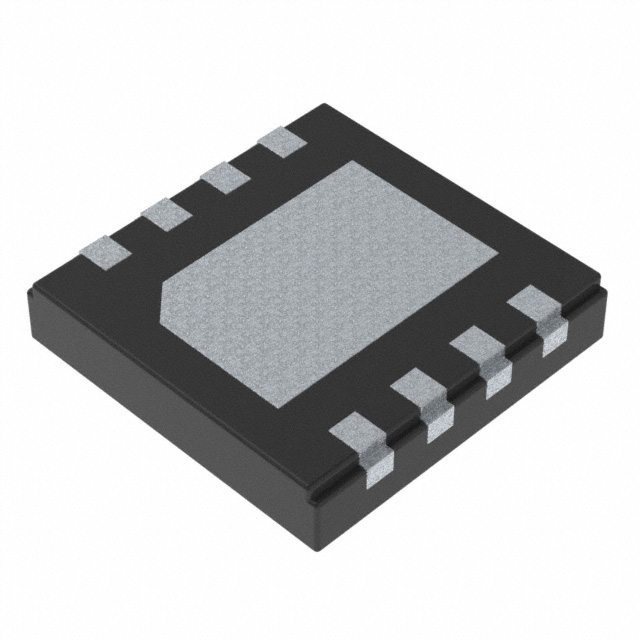
LM5009ASDX/NOPB is listed in the Voltage Regulators - DC DC Switching Regulators range at ChipApex. The manufacturer field lists Texas Instruments. Its product description is IC REG BUCK ADJ 150MA 8WSON. Review the specifications below when checking this part for your BOM.
The LM5009ASDX/NOPB is a non-synchronous buck switching regulator manufactured by Texas Instruments. It operates with an input voltage range of 6V to 95V and provides a maximum output current of 150mA. The device utilizes a constant on-time (COT) control architecture with a fixed switching frequency of 600kHz. It supports adjustable output voltages from 2.5V to 85V in a single-channel configuration. The component is housed in an 8-pin WSON package and functions within a junction temperature range of -40°C to +125°C.
Verify the specific suffix 'ASDX' against official manufacturer documentation to confirm pinout compatibility and electrical specifications. Ensure the procurement channel sources genuine components directly from authorized distributors or verified suppliers to prevent counterfeit risks. Cross-reference the datasheet revision date with production batches to ensure design consistency.
Select this component when designing circuits requiring high input voltage tolerance without synchronous rectification. The fixed 600kHz frequency allows for smaller passive component selection compared to lower-frequency alternatives. Consider the 150mA output limit and WSON thermal dissipation characteristics during PCB layout planning.
This part belongs to the LM5009A series, which features enhanced performance over the standard LM5009. The series is designed for applications demanding robust operation under varying load conditions. The ASDX variant specifically denotes the WSON-8 package configuration used for space-constrained designs.
LM5009SDC/NOPB shares similar electrical parameters but uses a different package type.
Explore related parts through Power Management (PMIC), Integrated Circuits (ICs), all product categories, ChipApex homepage.
 LM5009ASDX/NOPB
Learn what data acquisition means, from sensors and conditioning to sampling and storage. Review channel timing, wiring, calibration and data quality.
Read More
LM5009ASDX/NOPB is listed in the Voltage Regulators - DC DC Switching Regulators range at ChipApex. The manufacturer field lists Texas Instruments. Its product description…
Read More
LM5009ASDX/NOPB is listed in the Voltage Regulators - DC DC Switching Regulators range at ChipApex. The manufacturer field lists Texas Instruments. Its product description…
Read More
Choose a DIP switch by contact type, coded positions, footprint and signal ratings. Check logic polarity, assembly conditions and PCB configuration behavior.
Read More
LM5009ASDX/NOPB is listed in the Voltage Regulators - DC DC Switching Regulators range at ChipApex. The manufacturer field lists Texas Instruments. Its product description…
Read More
LM5009ASDX/NOPB is listed in the Voltage Regulators - DC DC Switching Regulators range at ChipApex. The manufacturer field lists Texas Instruments. Its product description…
Read More
Select a common mode choke using noise frequency, current, insulation and signal integrity. Understand impedance curves, layout and filter limitations.
Read More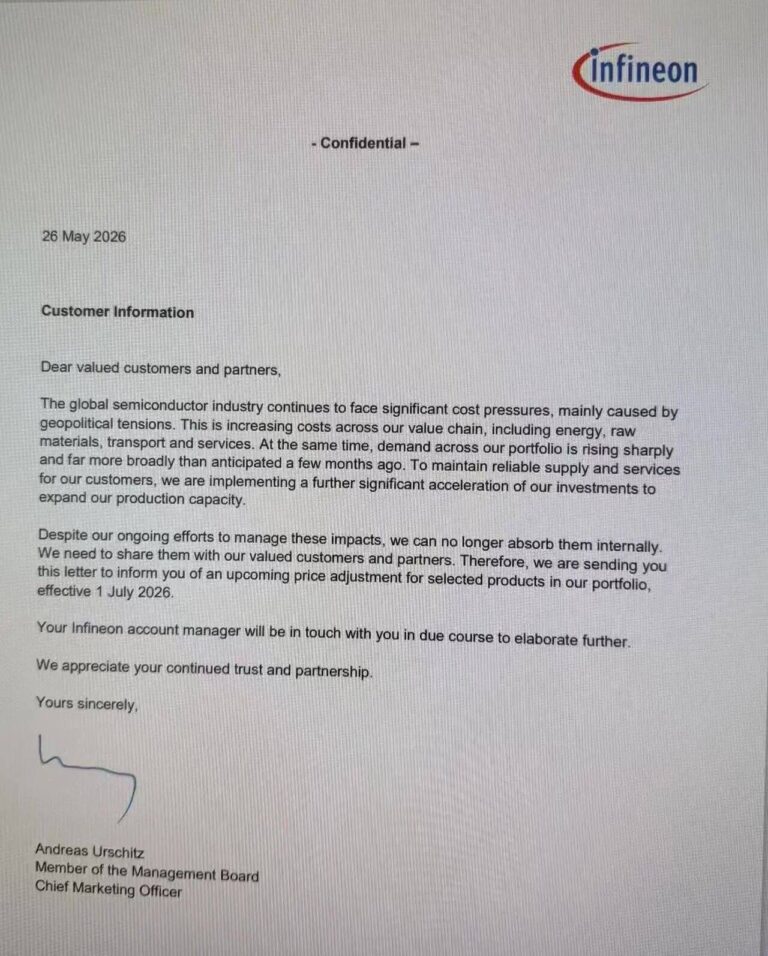
LM5009ASDX/NOPB is listed in the Voltage Regulators - DC DC Switching Regulators range at ChipApex. The manufacturer field lists Texas Instruments. Its product description…
Read More
LM5009ASDX/NOPB is listed in the Voltage Regulators - DC DC Switching Regulators range at ChipApex. The manufacturer field lists Texas Instruments. Its product description…
Read More
LM5009ASDX/NOPB is listed in the Voltage Regulators - DC DC Switching Regulators range at ChipApex. The manufacturer field lists Texas Instruments. Its product description…
Read More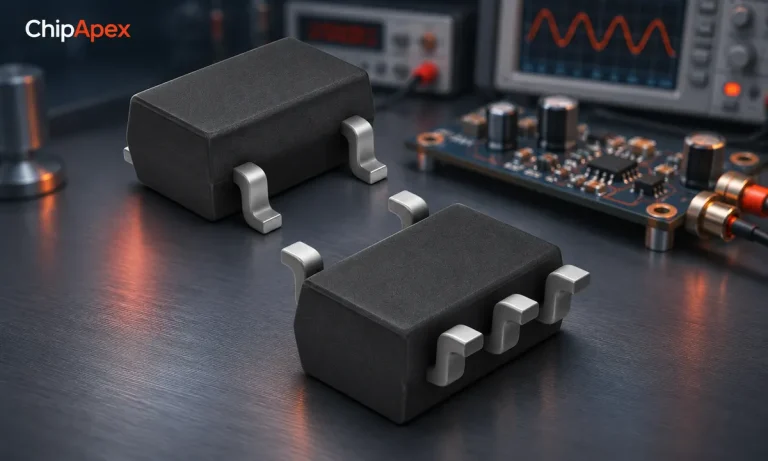
Learn how a JFET works and how to compare bias, leakage, noise and pinout. Review practical selection questions for high-impedance analog circuits.
Read More
Understand how oscillators generate timing signals, how they differ from crystals, and which frequency, output and stability specs matter when choosing one.
Read More
The activity of extra discounts on wholesale prices is in full swing…
Please fill in your contact information and we will send you the latest wholesale price list.