 ChipApex | Global Electronic Components Supplier

SEARCH
Search Product
Search Post
— IC芯片 | 连接器 | 传感器 | 被动器件 —
Search productSearch post
— IC芯片 | 连接器 | 传感器 | 被动器件 —
Consult the customer manager about the wholesale price.
consultation hotline:86-132-6715-2157
email:[email protected]
Contact the product manager for consultation. One-stop consultation is available.
Do you want a lower wholesale price? Please send us your inquiry and we will reply immediately.
M4A3-256/128-7SAI is listed in the Complex Programmable Logic Devices range at ChipApex. The manufacturer field lists Lattice Semiconductor Corporation. Its product description is IC CPLD 256MC 7.5NS 256SBGA. Review the specifications below when checking this part for your BOM.
The M4A3-256/128-7SAI is a Complex Programmable Logic Device (CPLD) from the ispMACH 4A family, manufactured by Lattice Semiconductor. It features 256 macrocells and supports up to 128 I/Os in an fpBGA-256 package. Operating at a 3.3 V supply voltage, it delivers a maximum propagation delay of 7.5 ns and a maximum operating frequency of 154 MHz. The device includes JTAG boundary scan compliance for testability and supports In-System Programming via IEEE 1149.1.
Verify component authenticity through authorized distributors or direct manufacturer channels. Confirm RoHS compliance status and lead-free packaging availability as specified in current datasheets. Check for end-of-life notifications or discontinuance alerts prior to procurement planning.
Select this model for designs requiring high-density logic within a single CPLD without sacrificing timing predictability. The 7.5 ns speed grade suits applications needing moderate performance with extensive I/O capabilities. Ensure design tools support the ispMACH 4A architecture for optimal utilization of the central switch matrix and logic allocator features.
This component belongs to the ispMACH 4A family, which offers flexible architectures ranging from 32 to 512 macrocells. The M4A3 variant specifically denotes 3.3-V operation, distinguishing it from the 5-V M4A5 series. The '256/128' designation indicates the macrocell count and primary I/O configuration options available in specific packages.
Direct replacements within the same family include other M4A3-256 variants with different speed grades (e.g., -5, -6, -10) or I/O counts. Cross-family migration to newer Lattice CPLDs may require architectural adaptation due to differences in logic density and I/O standards.
Explore related parts through Embedded, Integrated Circuits (ICs), all product categories, ChipApex homepage.
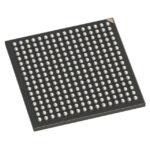 M4A3-256/128-7SAI
 is listed in the Complex Programmable Logic Devices range at ChipApex. The manufacturer field lists Lattice Semiconductor Corporation. Its product description is IC…
Read More
M4A3-256/128-7SAI is listed in the Complex Programmable Logic Devices range at ChipApex. The manufacturer field lists Lattice Semiconductor Corporation. Its product description is IC…
Read More
M4A3-256/128-7SAI is listed in the Complex Programmable Logic Devices range at ChipApex. The manufacturer field lists Lattice Semiconductor Corporation. Its product description is IC…
Read More
M4A3-256/128-7SAI is listed in the Complex Programmable Logic Devices range at ChipApex. The manufacturer field lists Lattice Semiconductor Corporation. Its product description is IC…
Read More
M4A3-256/128-7SAI is listed in the Complex Programmable Logic Devices range at ChipApex. The manufacturer field lists Lattice Semiconductor Corporation. Its product description is IC…
Read More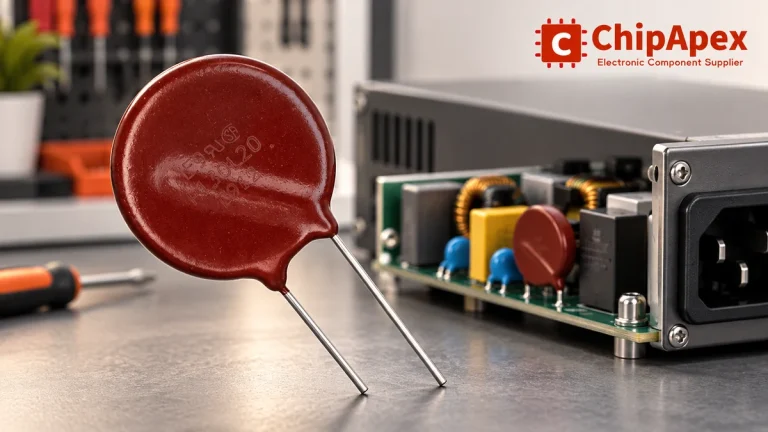
Select MOV varistors by continuous voltage, clamping behavior, surge waveform and repetition. Check thermal disconnection, fuse coordination and replacements.
Read More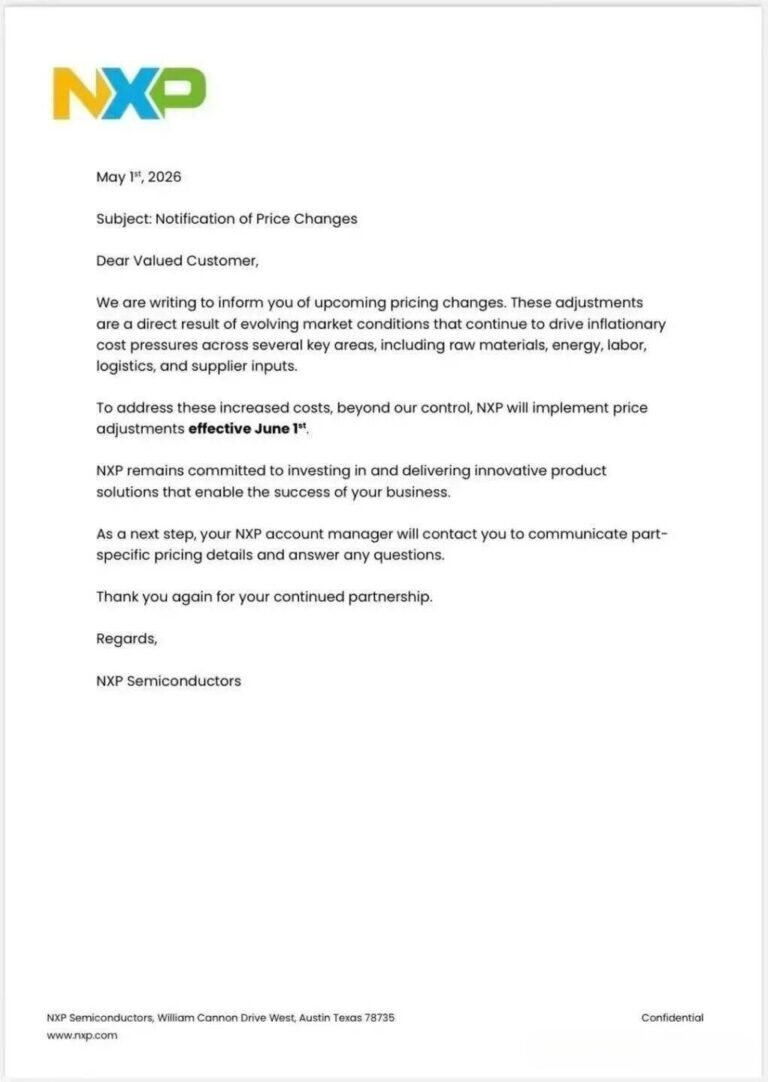
M4A3-256/128-7SAI is listed in the Complex Programmable Logic Devices range at ChipApex. The manufacturer field lists Lattice Semiconductor Corporation. Its product description is IC…
Read More
Understand RF attenuator dB values, fixed and programmable types, impedance, power limits and noise tradeoffs before choosing parts for an RF signal path.
Read More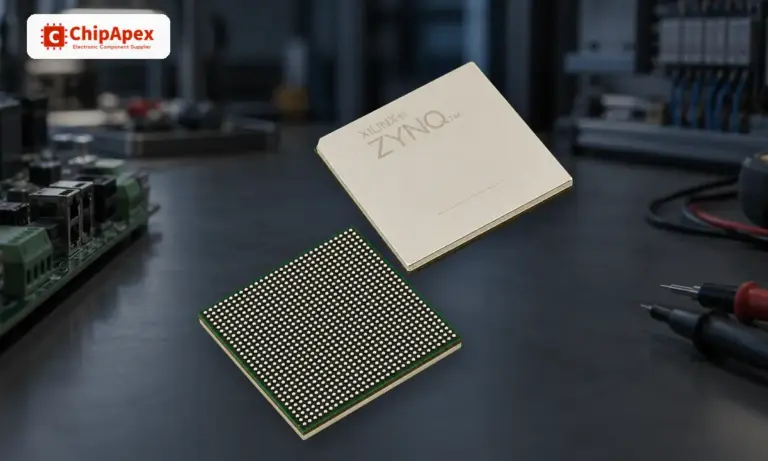
Learn what an integrated circuit is, how ICs work, the main types and the specs to check before choosing a part for your design…
Read More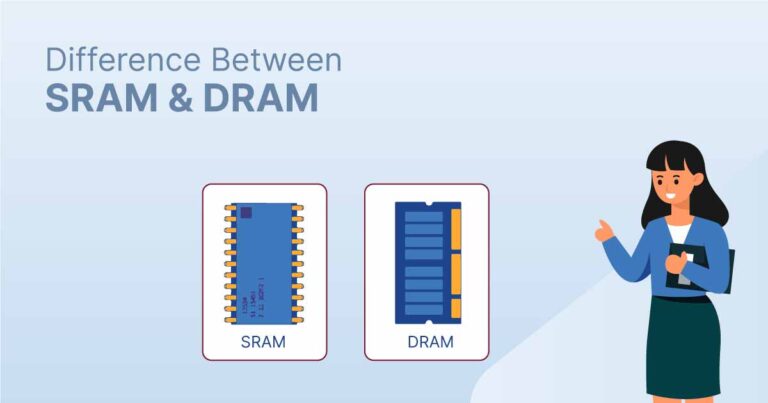
M4A3-256/128-7SAI is listed in the Complex Programmable Logic Devices range at ChipApex. The manufacturer field lists Lattice Semiconductor Corporation. Its product description is IC…
Read More
M4A3-256/128-7SAI is listed in the Complex Programmable Logic Devices range at ChipApex. The manufacturer field lists Lattice Semiconductor Corporation. Its product description is IC…
Read More
M4A3-256/128-7SAI is listed in the Complex Programmable Logic Devices range at ChipApex. The manufacturer field lists Lattice Semiconductor Corporation. Its product description is IC…
Read More
The activity of extra discounts on wholesale prices is in full swing…
Please fill in your contact information and we will send you the latest wholesale price list.





