 ChipApex | Global Electronic Components Supplier

SEARCH
Search Product
Search Post
— IC芯片 | 连接器 | 传感器 | 被动器件 —
Search productSearch post
— IC芯片 | 连接器 | 传感器 | 被动器件 —
Consult the customer manager about the wholesale price.
consultation hotline:86-132-6715-2157
email:[email protected]
Contact the product manager for consultation. One-stop consultation is available.
Do you want a lower wholesale price? Please send us your inquiry and we will reply immediately.
SN74ALS640BNS is listed in the Buffers, Drivers, Receivers, Transceivers range at ChipApex. The manufacturer field lists Texas Instruments. Its product description is PROTOTYPE. Review the specifications below when checking this part for your BOM.
The SN74ALS640BNS is an octal bus transceiver with 3-state outputs manufactured by Texas Instruments. It operates within a supply voltage range of 4.5 V to 5.5 V and supports a maximum propagation delay of 11 ns at VCC = 5.5 V. The device provides a low-level output current (IOL) of 24 mA and a high-level output current (IOH) of -15 mA. It is housed in a 20-pin Small-Outline Package (SOP/NS) and functions over an operating temperature range of 0°C to 70°C.
Verify the specific ordering suffix 'NS' corresponds to the 20-pin SOP package when sourcing. Confirm that the component meets the required RoHS compliance status as indicated in the manufacturer's packaging information. Ensure the procurement channel sources production-active parts rather than obsolete variants within the same family.
Select this component for applications requiring standard TTL-compatible inputs and outputs with moderate drive strength. The ALS series offers improved speed compared to LS logic while maintaining lower power consumption. Verify that the 20-pin SOP footprint aligns with the target PCB layout constraints and thermal requirements.
This part belongs to the SN54/74ALS640B family of octal bus transceivers. It shares functional similarities with the SN74AS640 but utilizes Advanced Low-power Schottky technology. The device is designed for general-purpose digital logic applications where reliable bidirectional data flow is necessary.
SN74ALS640BN (PDIP package)
When the OE input is high, the device is disabled, effectively isolating the A and B buses regardless of the direction control state.
The Direction (DIR) input determines the signal flow; a low level directs data from the B bus to the A bus, while a high level directs data from the A bus to the B bus.
Explore related parts through Logic, Integrated Circuits (ICs), all product categories, ChipApex homepage.
 SN74ALS640BNS

SN74ALS640BNS is listed in the Buffers, Drivers, Receivers, Transceivers range at ChipApex. The manufacturer field lists Texas Instruments. Its product description is PROTOTYPE. Review…
Read More
SN74ALS640BNS is listed in the Buffers, Drivers, Receivers, Transceivers range at ChipApex. The manufacturer field lists Texas Instruments. Its product description is PROTOTYPE. Review…
Read More
SN74ALS640BNS is listed in the Buffers, Drivers, Receivers, Transceivers range at ChipApex. The manufacturer field lists Texas Instruments. Its product description is PROTOTYPE. Review…
Read More
SN74ALS640BNS is listed in the Buffers, Drivers, Receivers, Transceivers range at ChipApex. The manufacturer field lists Texas Instruments. Its product description is PROTOTYPE. Review…
Read More
SN74ALS640BNS is listed in the Buffers, Drivers, Receivers, Transceivers range at ChipApex. The manufacturer field lists Texas Instruments. Its product description is PROTOTYPE. Review…
Read More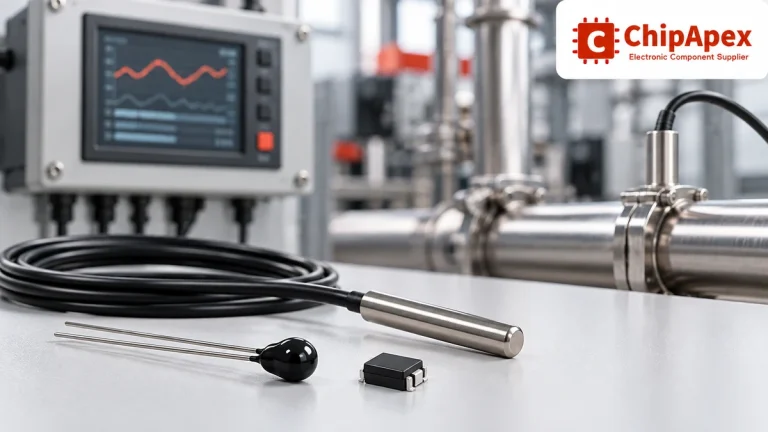
Compare thermistors, RTDs, thermocouples and temperature ICs. Learn how range, accuracy, response, interfaces and mounting affect component selection.
Read More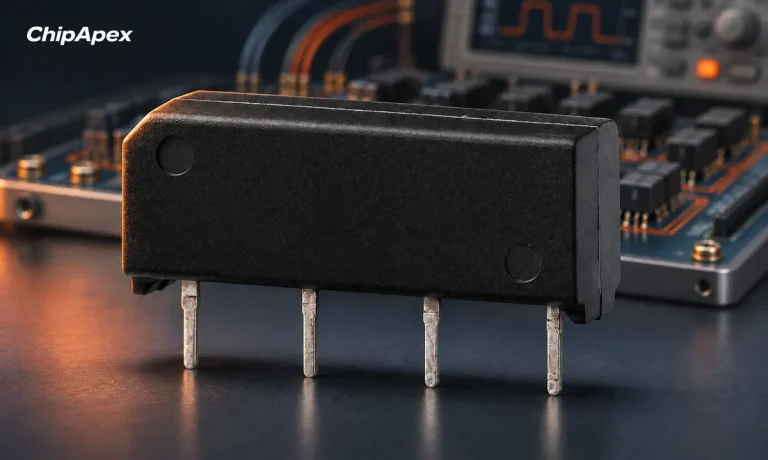
Choose a reed relay for signal switching. Understand hot and cold switching, leakage, contact resistance, isolation and measurement settling requirements.
Read More
SN74ALS640BNS is listed in the Buffers, Drivers, Receivers, Transceivers range at ChipApex. The manufacturer field lists Texas Instruments. Its product description is PROTOTYPE. Review…
Read More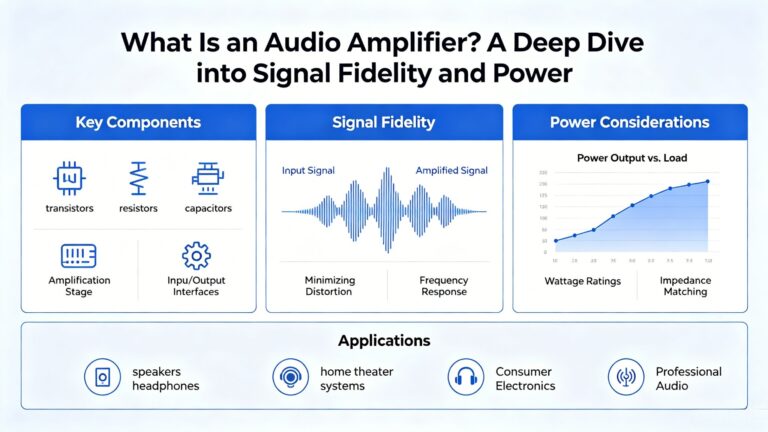
SN74ALS640BNS is listed in the Buffers, Drivers, Receivers, Transceivers range at ChipApex. The manufacturer field lists Texas Instruments. Its product description is PROTOTYPE. Review…
Read More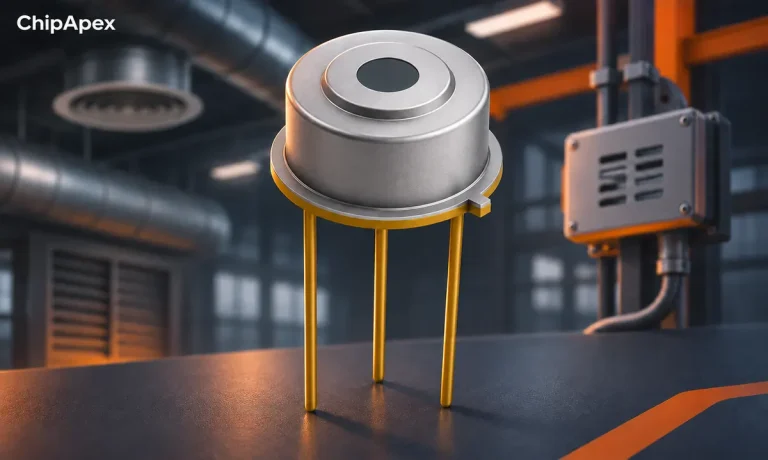
Compare gas sensor technologies, cross-sensitivity and calibration needs. Define the gas, range and environment before choosing a sensing component.
Read More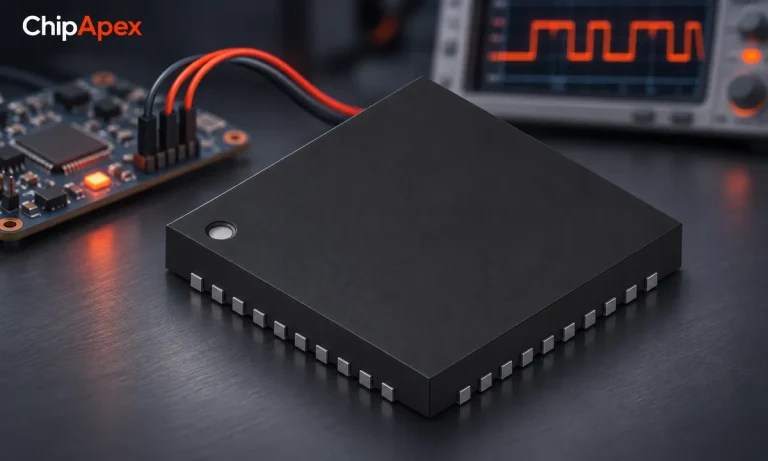
Understand UART protocol framing, baud rate and electrical interfaces. Learn 8N1 timing, TX/RX wiring, buffering and practical troubleshooting steps.
Read More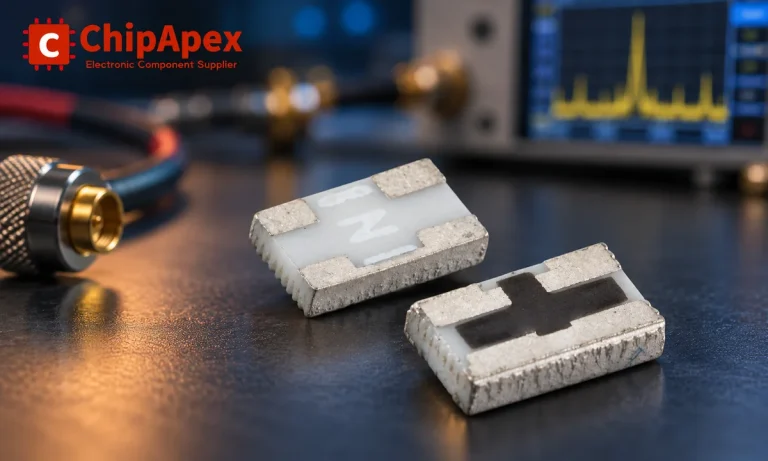
Understand RF attenuator dB values, fixed and programmable types, impedance, power limits and noise tradeoffs before choosing parts for an RF signal path.
Read More
The activity of extra discounts on wholesale prices is in full swing…
Please fill in your contact information and we will send you the latest wholesale price list.





