 ChipApex | Global Electronic Components Supplier

SEARCH
Search Product
Search Post
— IC芯片 | 连接器 | 传感器 | 被动器件 —
Search productSearch post
— IC芯片 | 连接器 | 传感器 | 被动器件 —
Consult the customer manager about the wholesale price.
consultation hotline:86-132-6715-2157
email:[email protected]
Contact the product manager for consultation. One-stop consultation is available.
Do you want a lower wholesale price? Please send us your inquiry and we will reply immediately.
SN74LV541APWR-P is listed in the Buffers, Drivers, Receivers, Transceivers range at ChipApex. The manufacturer field lists Texas Instruments. Its product description is PROTOTYPE. Review the specifications below when checking this part for your BOM.
The SN74LV541APWR-P is an octal buffer and line driver from Texas Instruments, belonging to the LV logic series. It features eight non-inverting inputs with three-state outputs, housed in a 20-pin TSSOP package. The device operates within a supply voltage range of 2V to 5.5V. It provides symmetric output drive capabilities of 16mA for both high and low states. The component supports surface-mount installation and functions reliably across an operating temperature range of -40°C to +125°C.
Verify the complete part number including the suffix against official Texas Instruments documentation to confirm package type and tape-and-reel specifications. Ensure compatibility with RoHS directives and check for any specific handling requirements related to moisture sensitivity level during storage and assembly processes.
Select this component when designing systems requiring robust signal buffering between different voltage domains or for driving capacitive loads on parallel buses. Consider the 16mA drive strength and wide voltage tolerance compared to standard 74HC series devices for improved noise immunity and speed in lower voltage applications.
This device is part of the broader SN74LV541 family of octal buffers. It shares functional similarities with other variants like the SN74LV541ADW but differs in packaging and specific electrical characteristics. It serves as a critical interface element in digital logic designs requiring reliable data transmission over shared lines.
SN74LV541APWR is a compatible alternative with identical logical functionality and pinout. Verify that the replacement variant meets the same thermal and electrical specifications required by the original design constraints.
Explore related parts through Logic, Integrated Circuits (ICs), all product categories, ChipApex homepage.
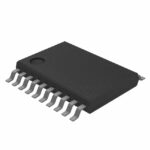 SN74LV541APWR-P
SN74LV541APWR-P is listed in the Buffers, Drivers, Receivers, Transceivers range at ChipApex. The manufacturer field lists Texas Instruments. Its product description is PROTOTYPE. Review…
Read More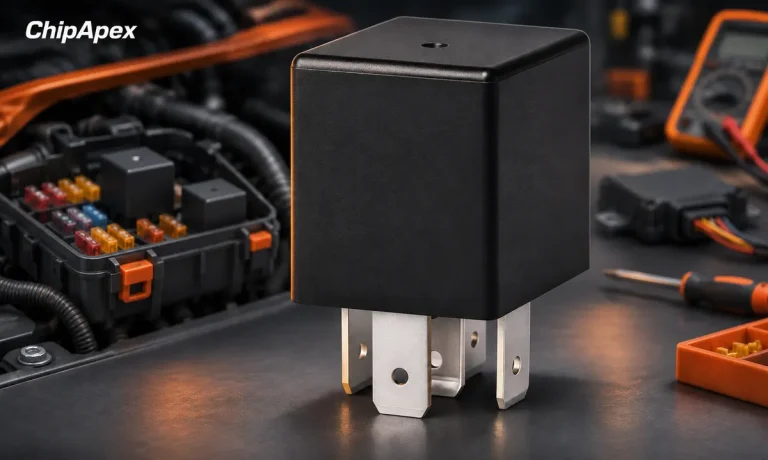
Understand automotive relay terminals, coil suppression and load ratings. Check inrush, socket compatibility and temperature before selecting a replacement.
Read More
Understand tactile switches, PCB and keyboard differences, four-pin wiring, debounce, force, travel and replacement checks for reliable control inputs.
Read More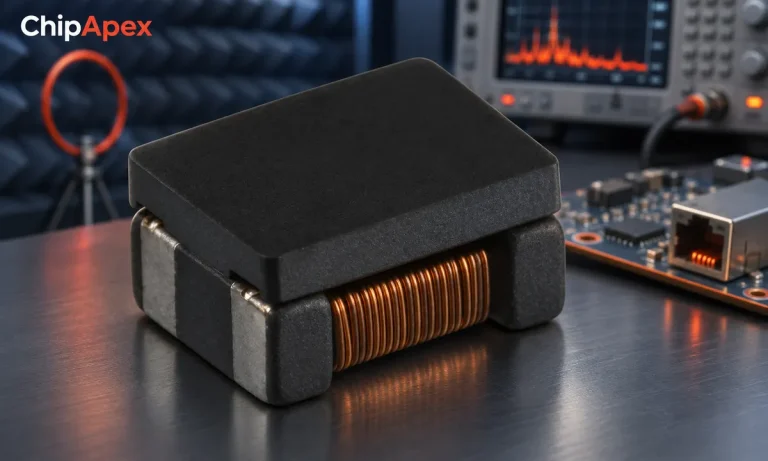
Select a common mode choke using noise frequency, current, insulation and signal integrity. Understand impedance curves, layout and filter limitations.
Read More
Learn why PTC resistance rises with temperature, how it differs from NTC, and which ratings matter for sensing and protection.
Read More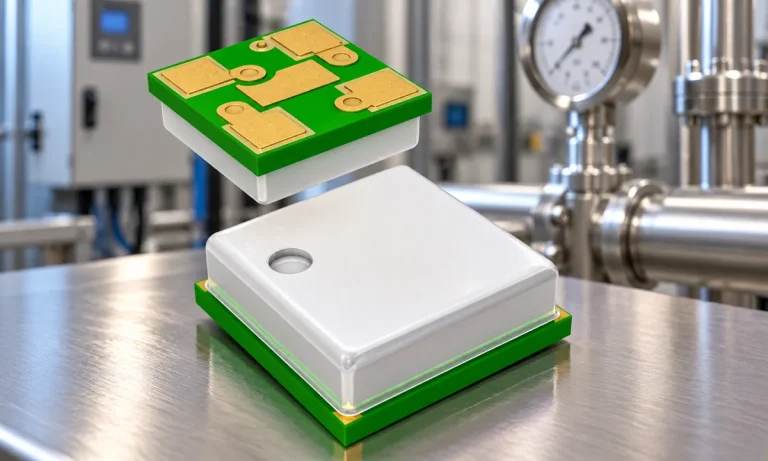
Learn how a pressure transducer converts pressure into voltage, current, or digital output, and compare pressure references and key selection specs.
Read More
SN74LV541APWR-P is listed in the Buffers, Drivers, Receivers, Transceivers range at ChipApex. The manufacturer field lists Texas Instruments. Its product description is PROTOTYPE. Review…
Read More
SN74LV541APWR-P is listed in the Buffers, Drivers, Receivers, Transceivers range at ChipApex. The manufacturer field lists Texas Instruments. Its product description is PROTOTYPE. Review…
Read More
SN74LV541APWR-P is listed in the Buffers, Drivers, Receivers, Transceivers range at ChipApex. The manufacturer field lists Texas Instruments. Its product description is PROTOTYPE. Review…
Read More
Compare RC, crystal and MEMS oscillator circuits. Check ppm, jitter, load capacitance, startup margin and output compatibility before choosing a clock source.
Read More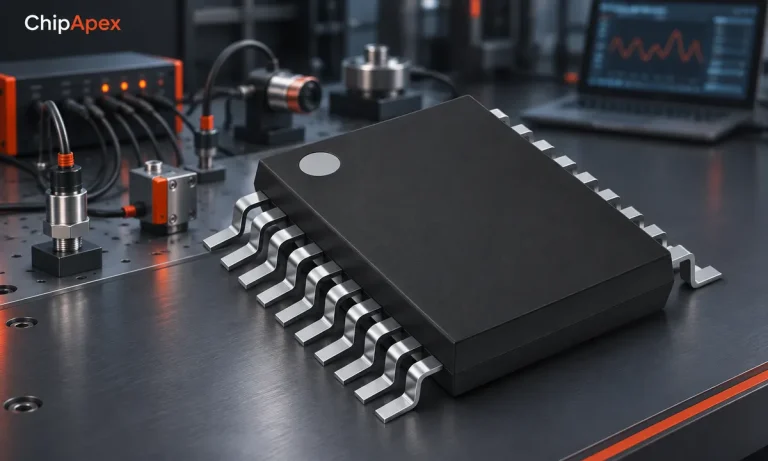
Learn what data acquisition means, from sensors and conditioning to sampling and storage. Review channel timing, wiring, calibration and data quality.
Read More
Understand load cell sensor output, bridge wiring and calibration. Learn how mV/V sensitivity, mechanics and ADC noise affect measurement accuracy.
Read More
The activity of extra discounts on wholesale prices is in full swing…
Please fill in your contact information and we will send you the latest wholesale price list.





