ChipApex | Global Electronic Components Supplier

SEARCH
Search Product
Search Post
— IC芯片 | 连接器 | 传感器 | 被动器件 —
Search productSearch post
— IC芯片 | 连接器 | 传感器 | 被动器件 —
Consult the customer manager about the wholesale price.
consultation hotline:86-132-6715-2157
email:[email protected]
Contact the product manager for consultation. One-stop consultation is available.
Do you want a lower wholesale price? Please send us your inquiry and we will reply immediately.
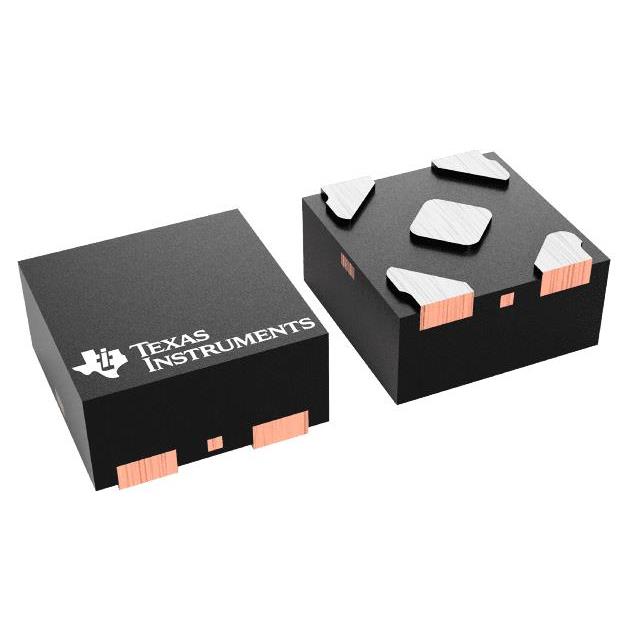
SN74LVC1G125DPWR is listed in the Buffers, Drivers, Receivers, Transceivers range at ChipApex. The manufacturer field lists Texas Instruments. Its product description is IC BUFF NON-INVERT 5.5V 5X2SON. Review the specifications below when checking this part for your BOM.
The SN74LVC1G125DPWR is a single bus buffer gate with three-state outputs manufactured by Texas Instruments. It operates within a supply voltage range of 1.65V to 5.5V, supporting both 3.3V and 5V logic systems. The device features low static power consumption with an ICC maximum of 10µA and offers high noise immunity. It is designed for applications requiring level shifting or bus holding in portable and battery-powered devices.
Verify the specific suffix DPWR indicates the X2SON-4 package variant when sourcing. Confirm RoHS compliance status matches current manufacturing standards. Ensure the ordering part number aligns exactly with required tape-and-reel quantities. Cross-reference the manufacturer datasheet revision date to guarantee design compatibility.
Select this component for single-channel buffering needs where space constraints require a minimal footprint. Consider the LVC series for superior speed and lower power compared to older HC/HCT families. Evaluate the three-state capability for shared bus architectures. Verify input voltage thresholds match the source logic family specifications.
This device belongs to the SN74LVC1Gxx series of single-function logic ICs from Texas Instruments. The LVC (Low Voltage CMOS) technology ensures compatibility with modern low-voltage digital systems while maintaining robust performance. The series is widely used in general-purpose digital signal processing and interface applications.
SN74LVC1G125DCKR
The Ioff feature partially disables the inputs and outputs when VCC is off, preventing high leakage currents during hot-insertion events.
No, the SN74LVC1G125 is a unidirectional buffer; it drives signals from input to output only.
Explore related parts through Logic, Integrated Circuits (ICs), all product categories, ChipApex homepage.
 SN74LVC1G125DPWR
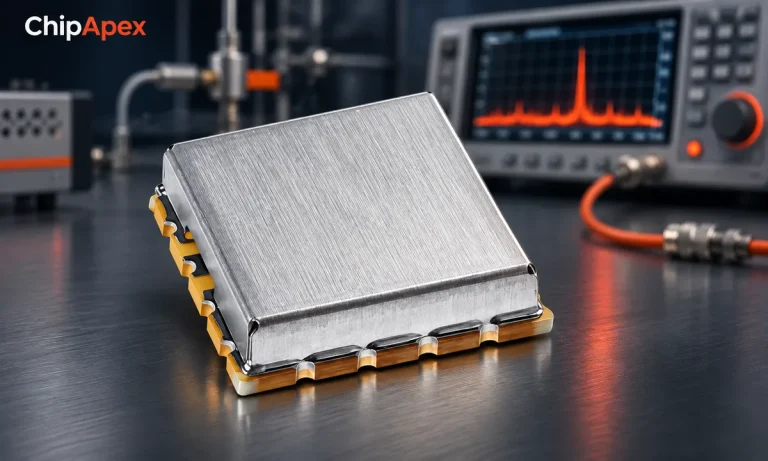
Understand voltage controlled oscillator tuning, phase noise and PLL operation. Check supply noise, output loading and requirements before selection.
Read More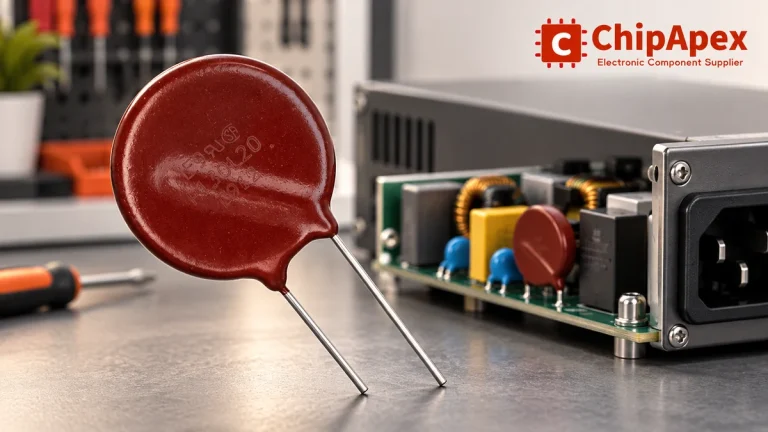
Select MOV varistors by continuous voltage, clamping behavior, surge waveform and repetition. Check thermal disconnection, fuse coordination and replacements.
Read More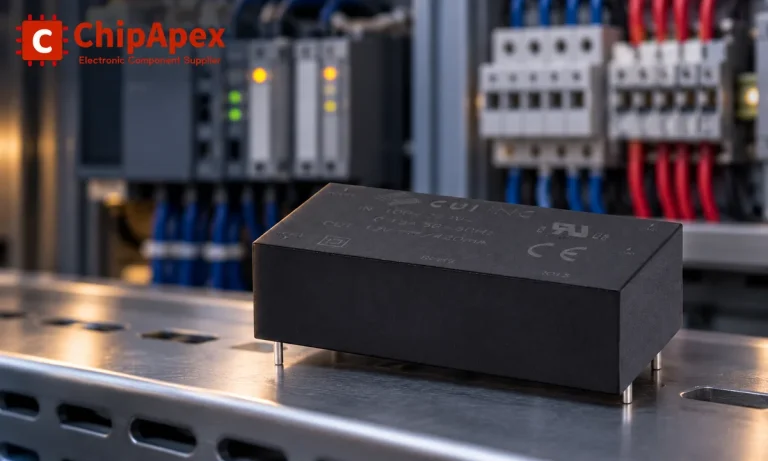
Choose an AC to DC converter by input range, output demand, isolation, efficiency and thermal derating. Compare architectures and check installation needs.
Read More
SN74LVC1G125DPWR is listed in the Buffers, Drivers, Receivers, Transceivers range at ChipApex. The manufacturer field lists Texas Instruments. Its product description is IC BUFF…
Read More
Learn what data acquisition means, from sensors and conditioning to sampling and storage. Review channel timing, wiring, calibration and data quality.
Read More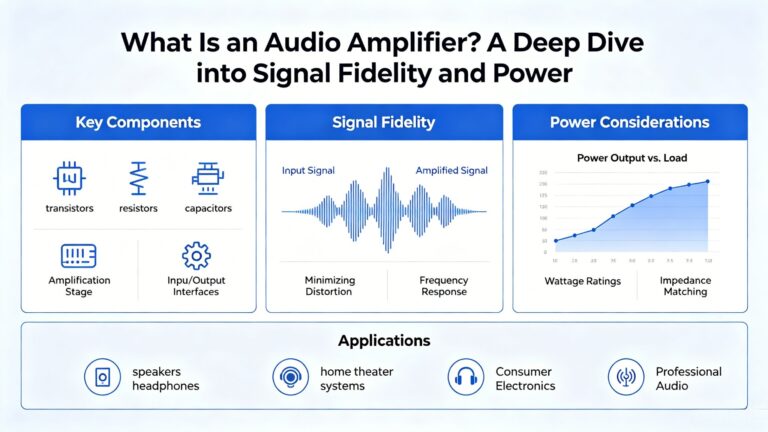
SN74LVC1G125DPWR is listed in the Buffers, Drivers, Receivers, Transceivers range at ChipApex. The manufacturer field lists Texas Instruments. Its product description is IC BUFF…
Read More
SN74LVC1G125DPWR is listed in the Buffers, Drivers, Receivers, Transceivers range at ChipApex. The manufacturer field lists Texas Instruments. Its product description is IC BUFF…
Read More
Learn how a diode conducts, how to identify anode and cathode, and when to choose rectifier, TVS, Zener or photodiode types for a circuit.
Read More
Compare Pt100 and Pt1000 RTDs, two-, three- and four-wire connections, excitation and self-heating. Build an error budget from element to reported temperature.
Read More
Learn why PTC resistance rises with temperature, how it differs from NTC, and which ratings matter for sensing and protection.
Read More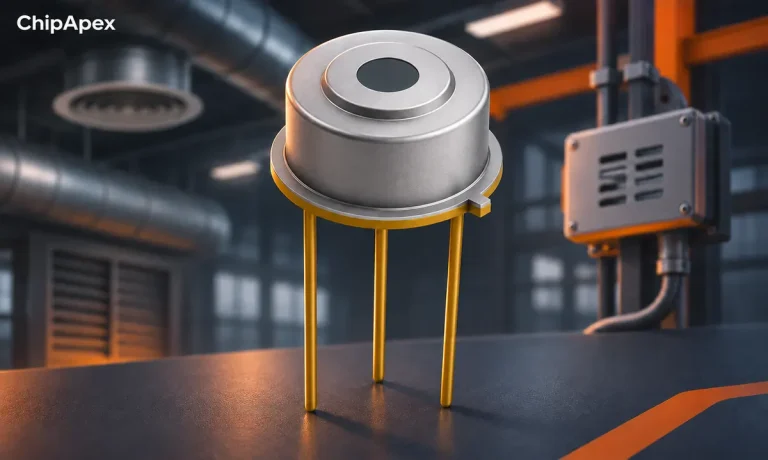
Compare gas sensor technologies, cross-sensitivity and calibration needs. Define the gas, range and environment before choosing a sensing component.
Read More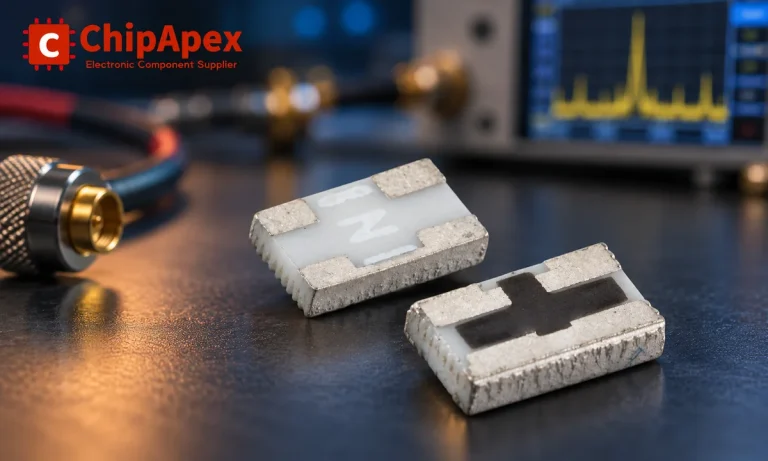
Understand RF attenuator dB values, fixed and programmable types, impedance, power limits and noise tradeoffs before choosing parts for an RF signal path.
Read More
The activity of extra discounts on wholesale prices is in full swing…
Please fill in your contact information and we will send you the latest wholesale price list.