 ChipApex | Global Electronic Components Supplier

SEARCH
Search Product
Search Post
Search productSearch post
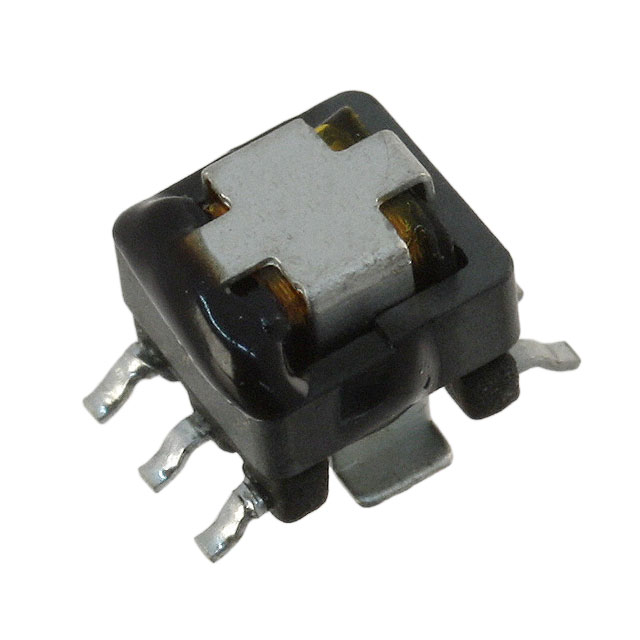
Current Sense Transformers are designed to detect and measure current flow in an isolated conductor or a primary winding and produce a proportional alternating current in a secondary winding. The frequency range is 2 Hz to 1 MHz with a current rating of 125 mA to 4000 A. The three types are Invasive, Non-Invasive (Solid Core), and Non-Invasive (Split Core).
 SCCT 30/20 250/5A VA 2 CL 1 -CEView Product
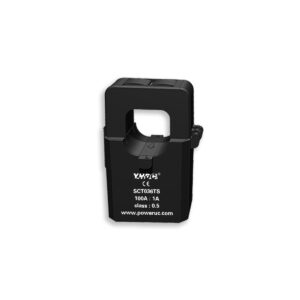 SCT036TS-200-100View Product
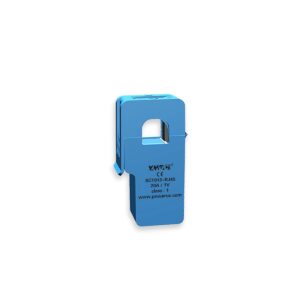 SCT013-RJ45-20View Product19SHT 801View Product
 SCT016TS-125-100View Product2753260000View ProductSCCT 120/80 800/5A VA 20 CL 3 -CEView ProductT60404E4625X501View ProductPL3262View Product
 2DRL-750View Product
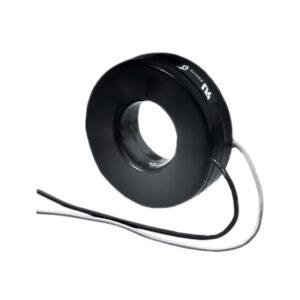 7020-01043-0View Product
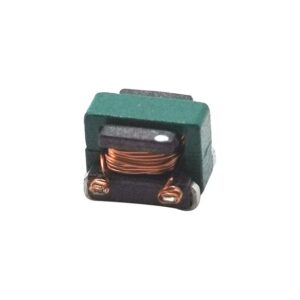 ECST1V0504-1060-RView Product
Understand voltage controlled oscillator tuning, phase noise and PLL operation. Check supply noise, output loading and requirements before selection.
Read More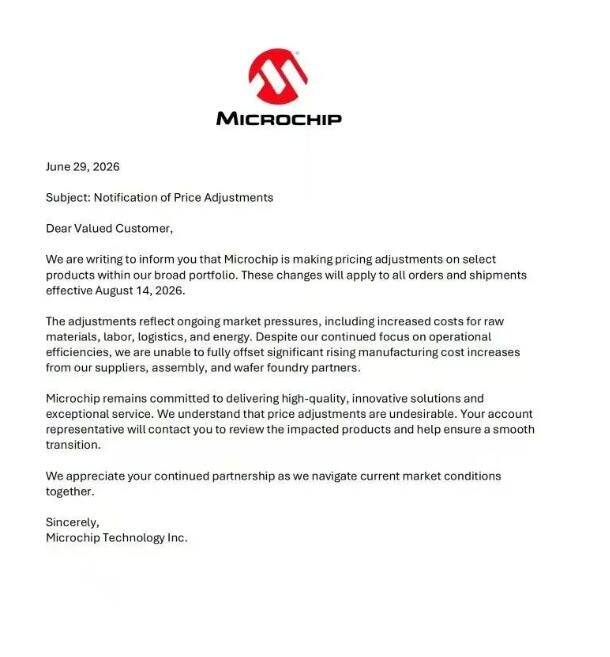
Tempe, Arizona‑based semiconductor giant Microchip Technology has formally rolled out selective product price increases across its MCU, power‑management IC, memory controller and analog component…
Read More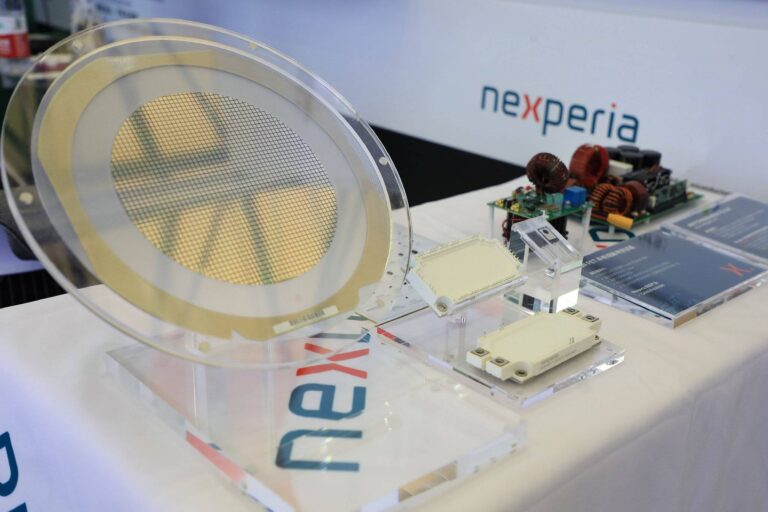
Dutch authorities announced on November 7 the lifting of control measures on Nexperia (formerly NXP Semiconductors' Standard Products division), marking the end of a…
Read More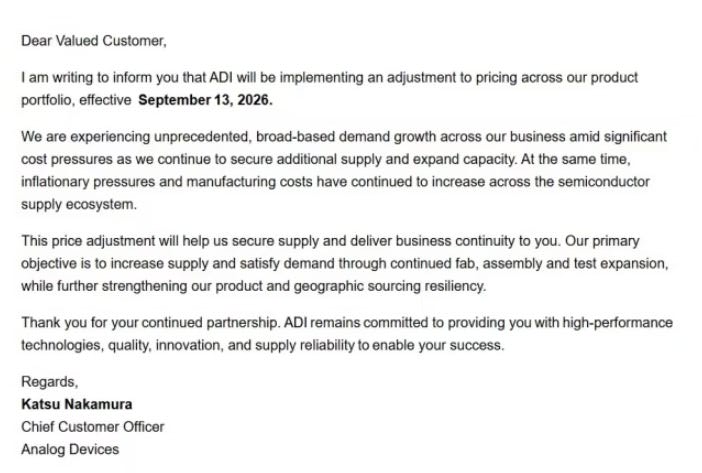
WILMINGTON, Mass. – August 11, 2026 — Analog Devices, Inc. (NASDAQ: ADI), the global leading supplier of high-performance analog, mixed-signal and digital signal processing…
Read More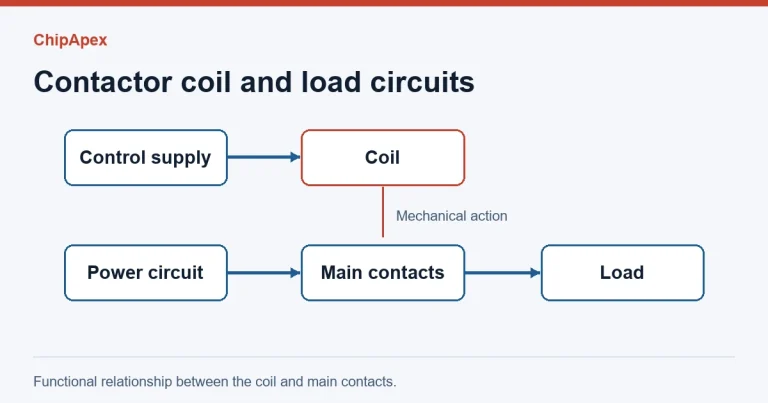
Learn what a contactor does, how it differs from a relay or starter, and how to check coil voltage, motor duty and protection before…
Read More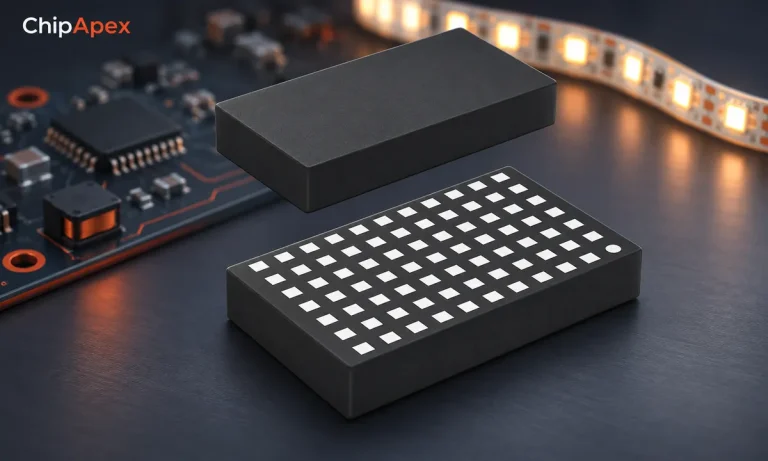
Choose LED drivers by current, string voltage, dimming and thermal limits. Understand constant-current operation and the checks needed for your load.
Read More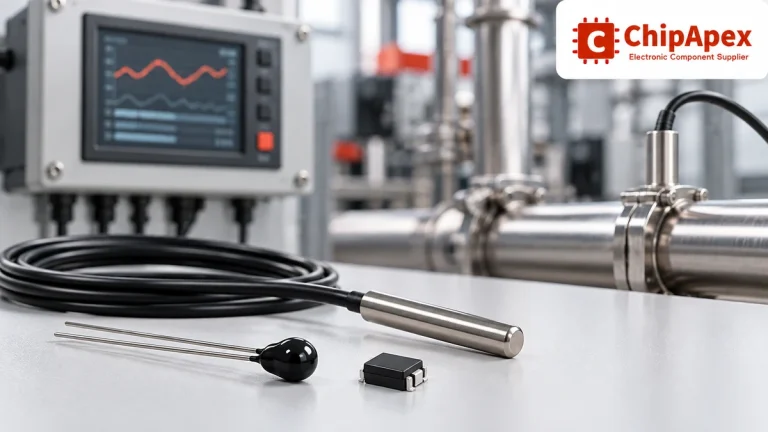
Compare thermistors, RTDs, thermocouples and temperature ICs. Learn how range, accuracy, response, interfaces and mounting affect component selection.
Read More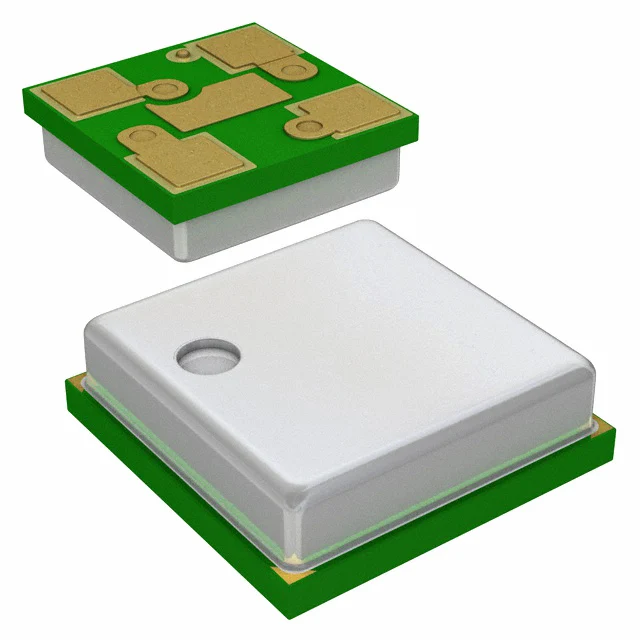
Interpret MAP sensor readings using local atmospheric pressure, convert a ratiometric signal to kPa and distinguish a pressure change from a signal fault.
Read More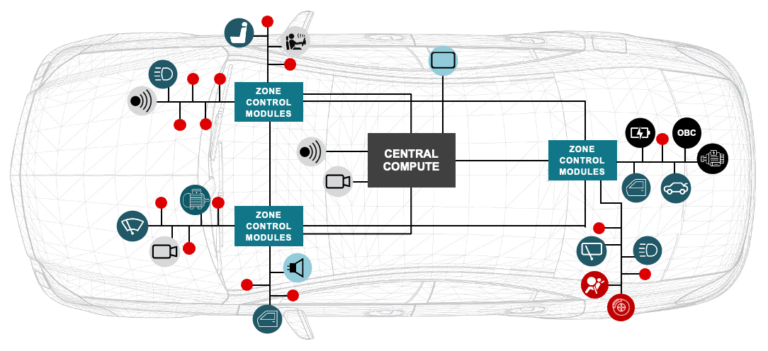
Las Vegas, January 6, 2026 — At the Consumer Electronics Show (CES) 2026, Texas Instruments (TI) (NASDAQ: TXN) announced a suite of next-generation semiconductor…
Read More
Recently, a survey by the Electronic Components Industry Association (ECIA) revealed that the sales sentiment of global electronic components remained optimistic in the third…
Read More
The rapid advancement of artificial intelligence (AI) is transforming industries across the globe, and the world of electronic components is no exception. From smarter…
Read More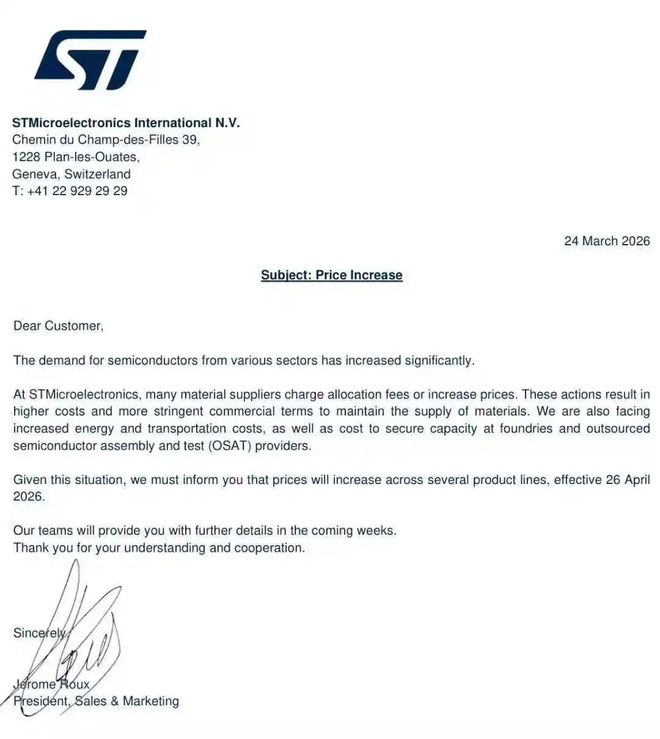
Geneva, Switzerland – March 25, 2026 – STMicroelectronics N.V. (NYSE: STM), a global semiconductor leader serving customers across the electronics applications spectrum, has announced…
Read More
The activity of extra discounts on wholesale prices is in full swing…
Please fill in your contact information and we will send you the latest wholesale price list.

