 ChipApex | Global Electronic Components Supplier

SEARCH
Search Product
Search Post
Search productSearch post

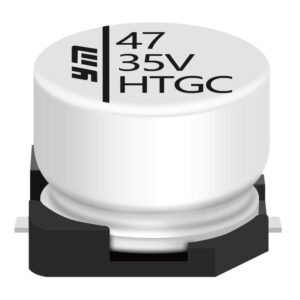
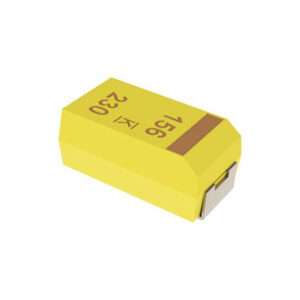
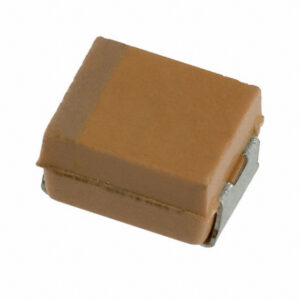
A capacitor (also known as a condensator) is a component in electronic circuits, that stores and releases electrical energy. It is made of conductive plates separated by an insulating material called the dielectric. When a voltage is applied across the plates, an electric field forms, causing positive charge to accumulate on one plate and negative charge on the other. This stored energy can be released when needed, making capacitors vital in various applications, including filtering, energy storage, signal processing, and power conditioning. There are several types of capacitors, each with unique characteristics and applications. Ceramic capacitors, made from ceramic materials as the dielectric, are widely used in high-frequency applications such as RF circuits, decoupling, and bypass applications due to their small size, low cost, high stability, and wide range of values. Multilayer ceramic capacitors (MLCCs) are a type of ceramic capacitor that consists of multiple layers of ceramic dielectric material and metal electrodes stacked together to form a compact, high-capacitance component. They are known for their small size, high capacitance per volume, excellent stability, and reliability. MLCCs are widely used in various electronic devices for applications such as decoupling, filtering, and signal smoothing, especially in high-frequency circuits. Electrolytic capacitors, which use a wet electrolytic solution as the dielectric, are common in power supply circuits, filtering, and coupling applications where large capacitance values are required. These capacitors are polarized, meaning they must be connected with the correct polarity. Film capacitors use plastic films like polyester, polypropylene, or polystyrene as the dielectric. They are employed in audio and high-frequency applications because of their stable performance, low loss, and suitability for high-frequency use. They are also non-polarized, making them versatile. Supercapacitors, or ultracapacitors, offer very high capacitance values by utilizing electrochemical double layers to generate pseudocapacitance. These capacitors are used in energy storage, power backup, and load leveling in hybrid vehicles due to their high energy density, long cycle life, and rapid charge/discharge cycles, effectively bridging the gap between batteries and traditional capacitors. Mica capacitors use mica as the dielectric material and are known for their excellent stability, low loss, and high precision. They are suitable for high-frequency and high-stability applications like radio transmitters and receivers. Tantalum capacitors, made from tantalum metal as the anode with an oxide layer as the dielectric, are used in space-constrained applications like mobile phones, laptops, and other portable electronics. They offer high capacitance per volume, stable performance, and reliability, although they are polarized. Capacitors are versatile components with a range of types suited to different applications. Understanding their characteristics and appropriate uses is essential for designing effective electronic circuits.
 VHTE1051V331MVCGView Product
 9047RKView Product
 BZ02CA903ZLBView ProductSMDTF02470TA00KQ00View Product
 T495X336M025ATE2007027View Product
 NOJB156M006RWJView Product
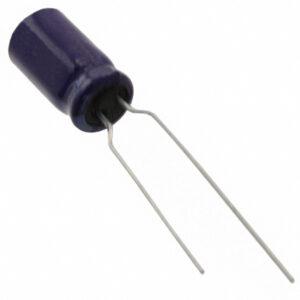 ECA-1EM101BView ProductNOJB476M004RWJView Product
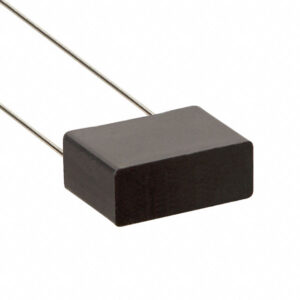 ECW-FE2W104Q5View Product
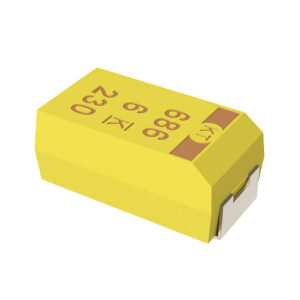 T540D477M2R5BH8605WAFLView Product
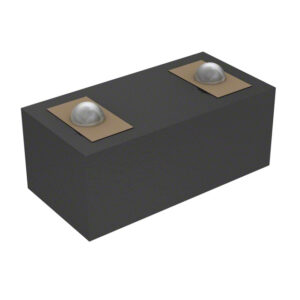 RFCS04023000DBTWSView Product
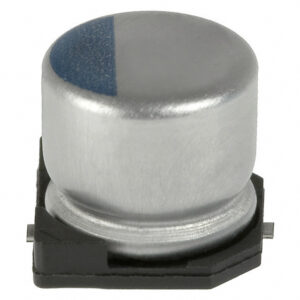 APXH100ARA560MF60GView Product
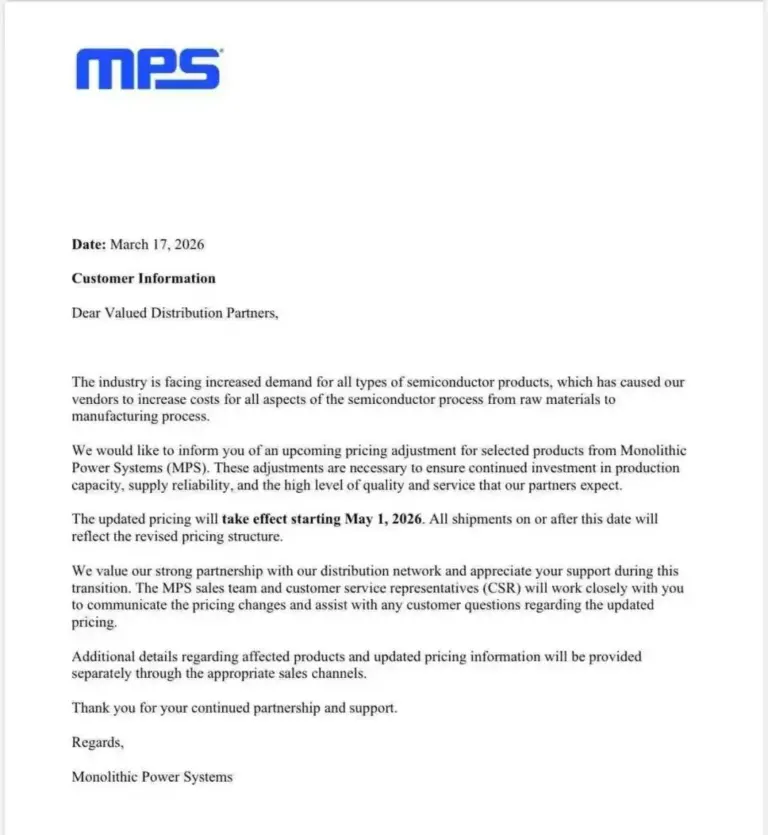
Monolithic Power Systems (MPS), a global leader in analog and mixed-signal semiconductors, has notified its distribution partners of an upcoming price increase for selected…
Read More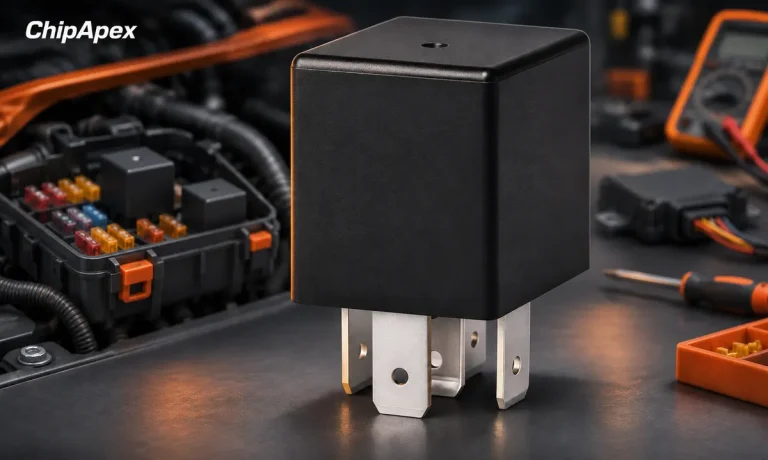
Understand automotive relay terminals, coil suppression and load ratings. Check inrush, socket compatibility and temperature before selecting a replacement.
Read More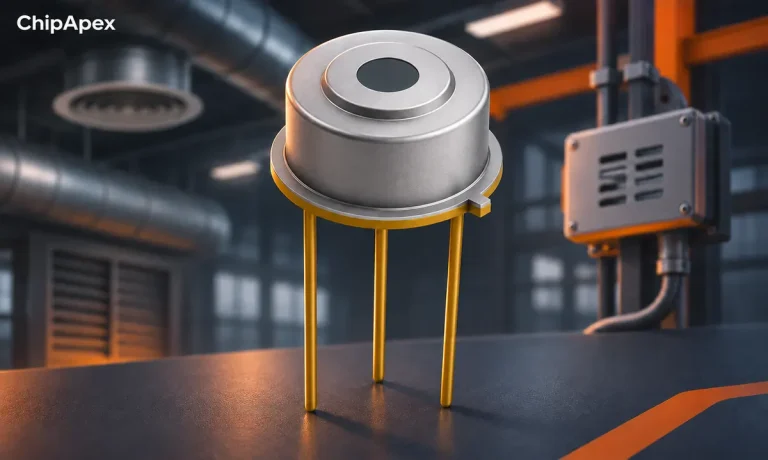
Compare gas sensor technologies, cross-sensitivity and calibration needs. Define the gas, range and environment before choosing a sensing component.
Read More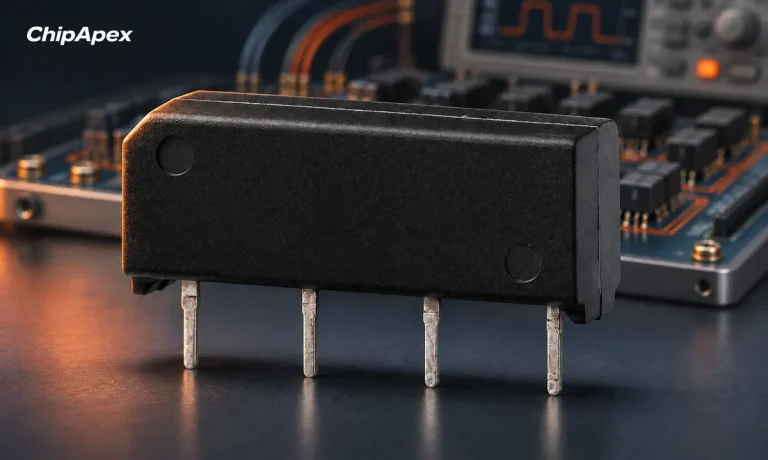
Choose a reed relay for signal switching. Understand hot and cold switching, leakage, contact resistance, isolation and measurement settling requirements.
Read More
Recently, the global electronic component market has witnessed a series of new developments. The strategic layouts and market collaborations of major enterprises are constantly…
Read More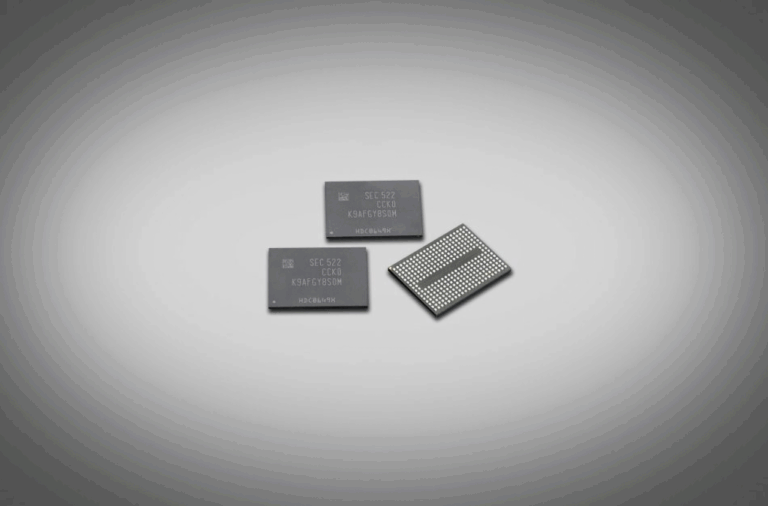
Date: May 13, 2026 The global memory industry is facing an unprecedented supply crunch in legacy MLC NAND Flash. Leading manufacturers including Samsung Electronics…
Read More
Recently, the global electronic components market has been constantly evolving, and different regions and enterprises have witnessed new moves in aspects such as technological…
Read More
Vishay Intertechnology, Inc., a global leader in discrete semiconductors and passive electronic components, has officially announced a price adjustment for its Metal-Oxide-Semiconductor Field-Effect Transistors…
Read More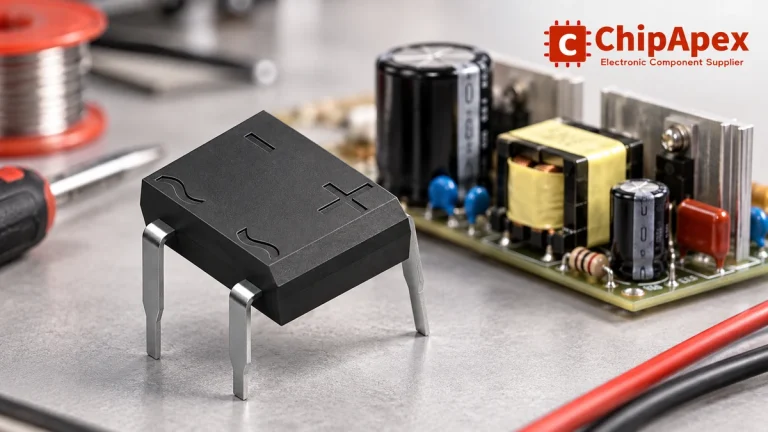
Select a bridge rectifier by reverse voltage, capacitor charging current, startup surge and cooling. Work through a stated DC voltage and ripple example.
Read More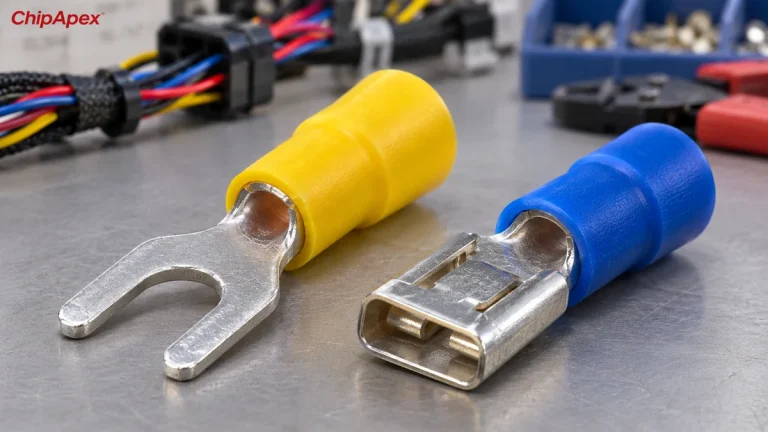
Identify fork terminals and flat-blade spade connectors. Match wire size, tab thickness, insulation and crimp tooling before selecting a replacement.
Read More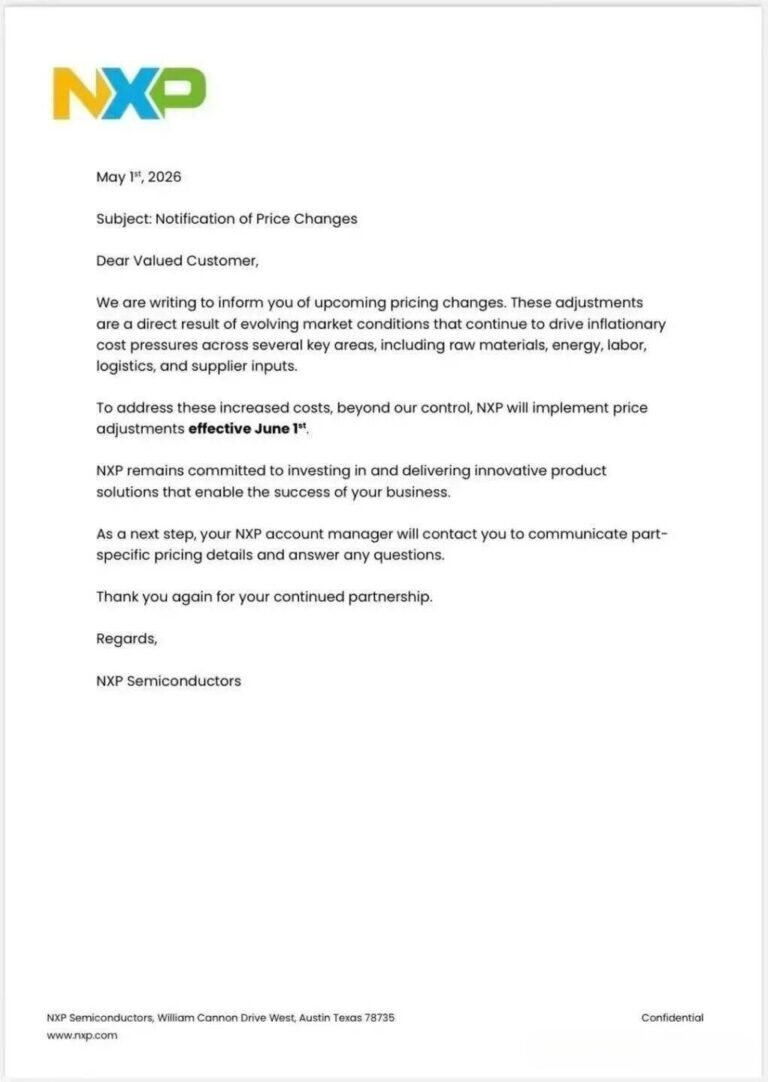
May 8, 2026 – Eindhoven, Netherlands NXP Semiconductors (NXPI), a global leader in automotive and industrial semiconductor solutions, has officially notified its worldwide channel…
Read More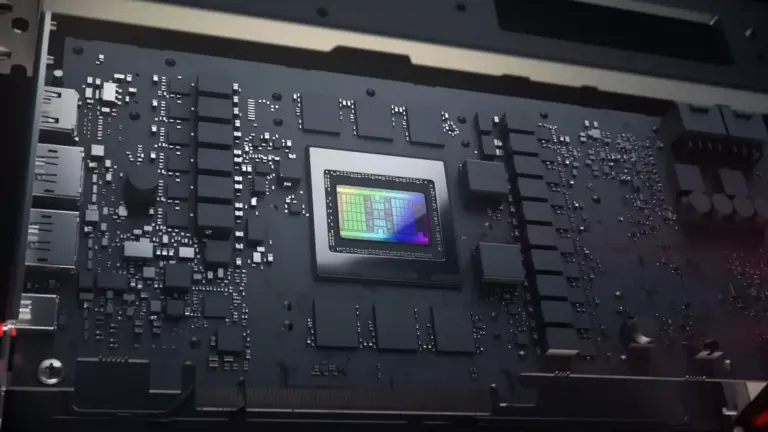
Latest updates from leading semiconductor manufacturers: Wolfspeed launches new SiC modules, AMD reveals MI430X with HBM4, TSMC eyes third Japan fab, and Samsung samples…
Read More
The activity of extra discounts on wholesale prices is in full swing…
Please fill in your contact information and we will send you the latest wholesale price list.

