 ChipApex | Global Electronic Components Supplier

SEARCH
Search Product
Search Post
Search productSearch post
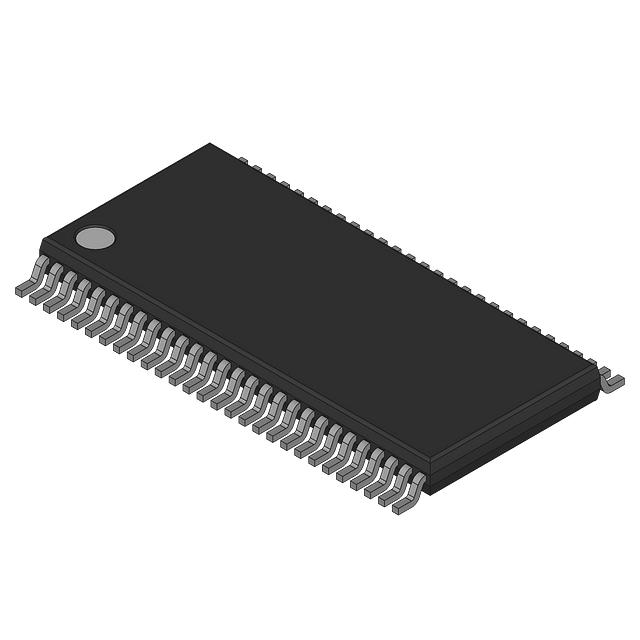
Products in the universal bus function family are component-level products used for handling or operating on a series of (usually 8 or more) parallel logic signals known as a bus. Functions performed include temporary storage of data to be transmitted or received, buffering to allow a device such as a microprocessor having a limited output current capacity to transmit data over long interconnects at high speed, rotation or shifting of bit order within the bus, and others.
 SN74ALVC162835DLView Product
 PI74ALVCH16501AView Product
 SN74ABT162601DLView Product
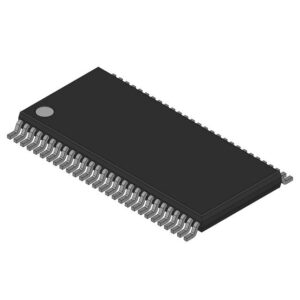 74VCX16835MTDView ProductSN74ALVCH16271DLView Product
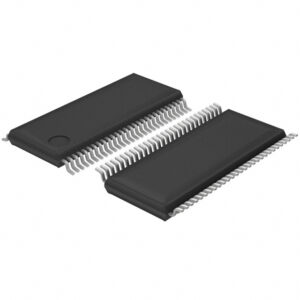 74AVC16834ADGV,112View Product
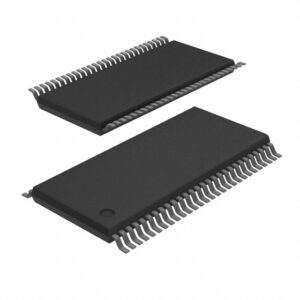 74ALVCH162836GRE4View ProductSN74ALVCF162834DLView Product
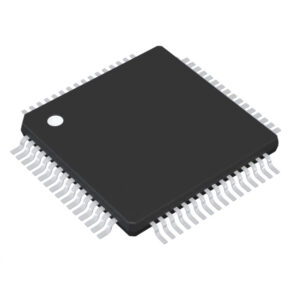 SN74ABTH18502APMView Product74LVTH16501MTDView ProductCLVTH16501IDGGREPView ProductSN74ALVCHR16409GRView Product

As the backbone of modern technology, electronic components are undergoing revolutionary changes, driven by advancements in materials science, miniaturization, and smart manufacturing. From ultra-efficient…
Read More
Learn how a Zener diode regulates voltage. Calculate resistor current and power, check tolerance and temperature, and distinguish Zener and TVS applications.
Read More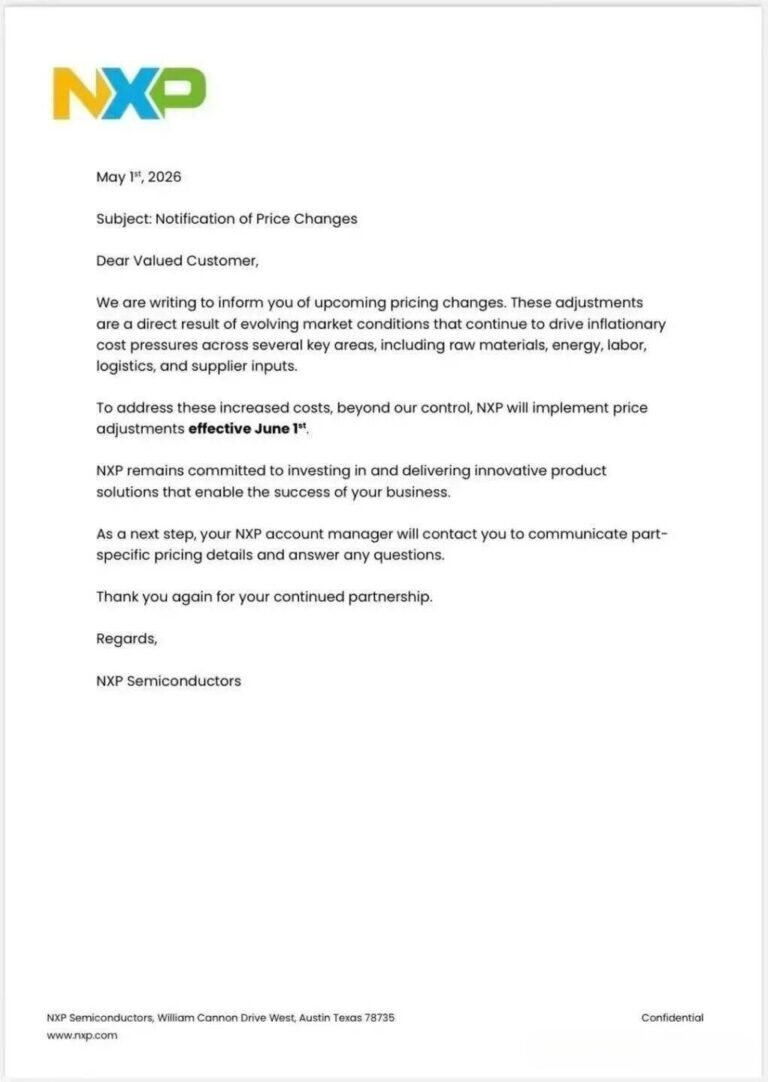
May 8, 2026 – Eindhoven, Netherlands NXP Semiconductors (NXPI), a global leader in automotive and industrial semiconductor solutions, has officially notified its worldwide channel…
Read More
Understand phototransistor operation, load-resistor selection, saturation and response time. Compare detector types and prepare component sourcing requirements.
Read More
Tokyo / Munich / Tessenderlo, December 24, 2025 As the global semiconductor industry enters the first year of the 2nm process era, international electronic…
Read More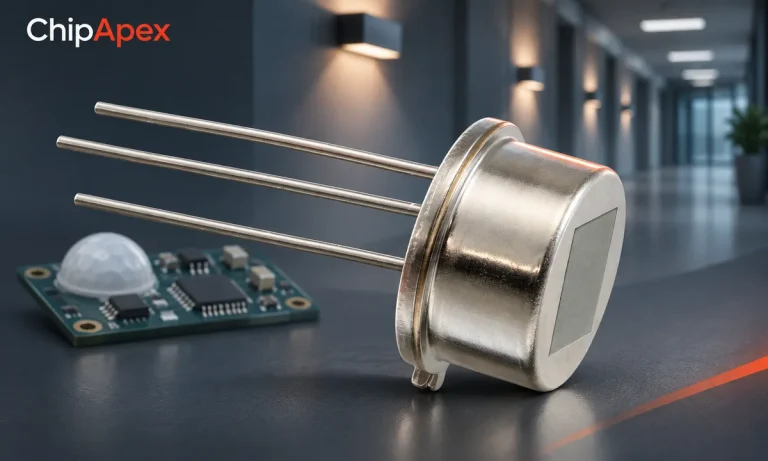
Understand how motion sensors work. Compare PIR, radar and ultrasonic sensing, then check presence detection, false triggers, optics and signal conditioning.
Read More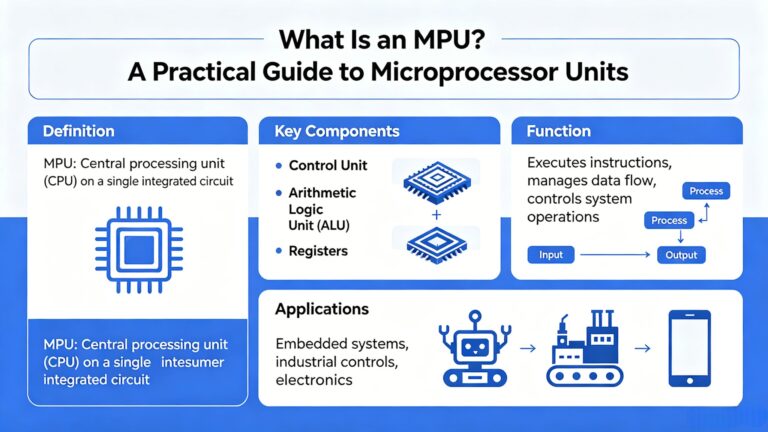
In embedded design, the tug-of-war between cost and performance is constant. On one side, you have Microcontrollers (MCUs)—cheap, simple, and efficient. On the other,…
Read More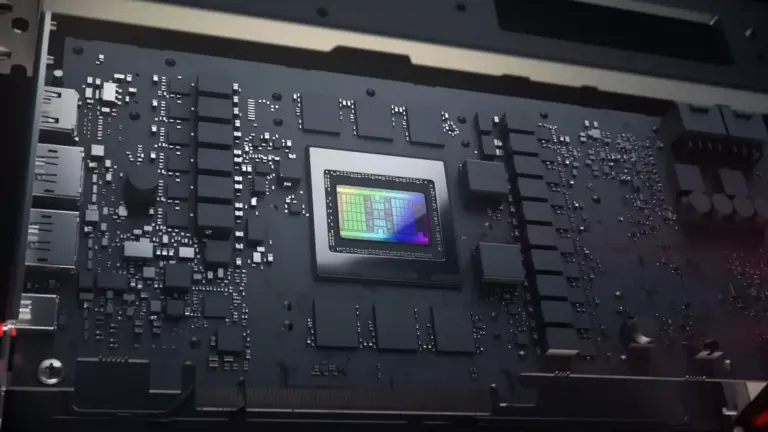
Latest updates from leading semiconductor manufacturers: Wolfspeed launches new SiC modules, AMD reveals MI430X with HBM4, TSMC eyes third Japan fab, and Samsung samples…
Read More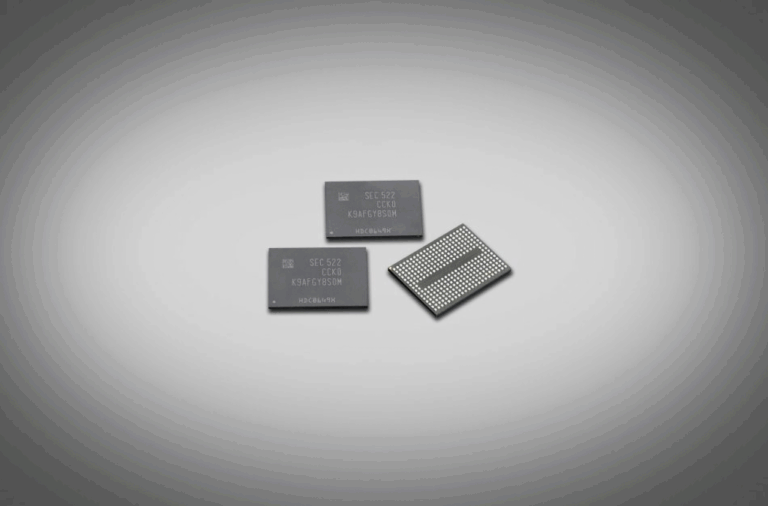
Date: May 13, 2026 The global memory industry is facing an unprecedented supply crunch in legacy MLC NAND Flash. Leading manufacturers including Samsung Electronics…
Read More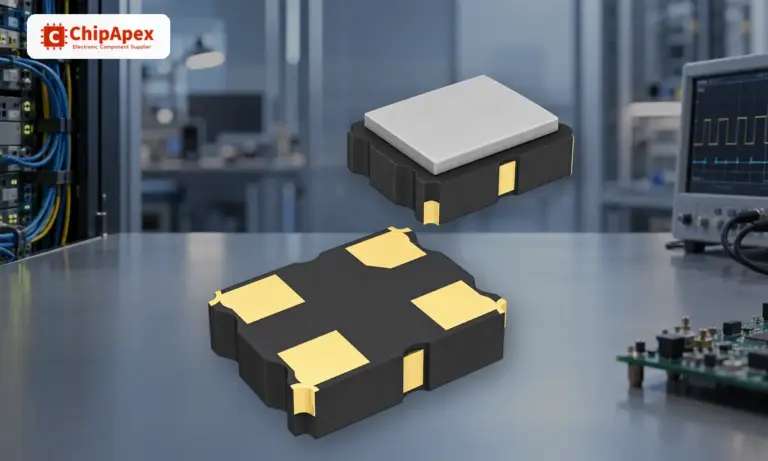
Understand how oscillators generate timing signals, how they differ from crystals, and which frequency, output and stability specs matter when choosing one.
Read More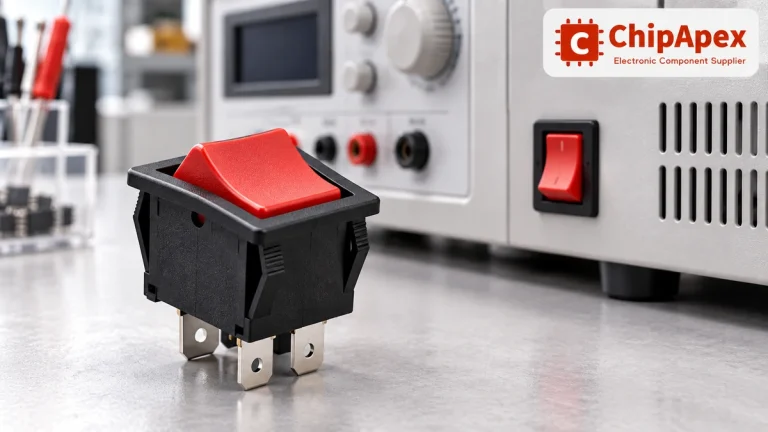
Choose a rocker switch by AC/DC ratings, contact arrangement, illumination, panel fit and sealing. Get practical checks for engineering and component sourcing.
Read More
PLANO, Texas – March 20, 2026 – Diodes Incorporated (Nasdaq: DIOD), a leading global manufacturer and supplier of high-quality application-specific standard products in the…
Read More
The activity of extra discounts on wholesale prices is in full swing…
Please fill in your contact information and we will send you the latest wholesale price list.

