 ChipApex | Global Electronic Components Supplier

SEARCH
Search Product
Search Post
Search productSearch post
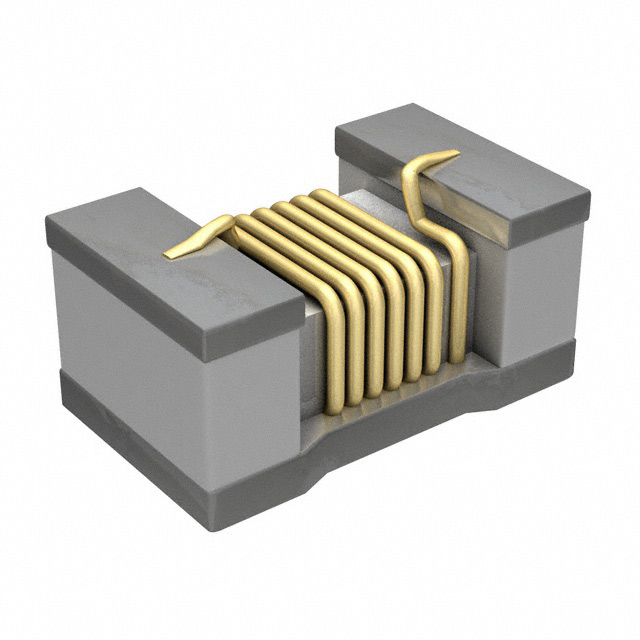
An inductor, also known as a coil, choke, or reactor, is a passive two-terminal electrical component that stores energy in a magnetic field when electric current flows through it. When the current changes, the magnetic field induces a voltage in the conductor. The induced voltage has a polarity which opposes the change in current that created it. The unit of inductance is the Henry (H). Mounting options include surface, through-hole, and chassis.
| Select products | Mfr | Description | Package | Supplier Device Package | Mounting Type | Series | Operating Temperature |
|---|---|---|---|---|---|---|---|
 MLH0402-4N7-03 $0.07 | Ferroxcube | Ferrite Misc | Bulk | 402 | Surface Mount | - | -40°C ~ 125°C |
MLH0603-15N-5 $0.08 | Ferroxcube | Ferrite Misc | Bulk | 603 | Surface Mount | - | -40°C ~ 125°C |
MLH0603-22N-5 $0.08 | Ferroxcube | Ferrite Misc | Bulk | 603 | Surface Mount | - | -40°C ~ 125°C |
MLH0603-5N6-5 $0.08 | Ferroxcube | Ferrite Misc | Bulk | 603 | Surface Mount | - | -40°C ~ 125°C |
MLH0603-8N2-5 $0.08 | Ferroxcube | Ferrite Misc | Bulk | 603 | Surface Mount | - | -40°C ~ 125°C |
MLH0805-10N-5 $0.08 | Ferroxcube | Ferrite Misc | Bulk | 805 | Surface Mount | - | -40°C ~ 125°C |
MLH0805-47N-5 $0.08 | Ferroxcube | Ferrite Misc | Bulk | 805 | Surface Mount | - | -40°C ~ 125°C |
MLI0603-R33-10 $0.07 | Ferroxcube | Ferrite Misc | Bulk | 603 | Surface Mount | - | -40°C ~ 125°C |
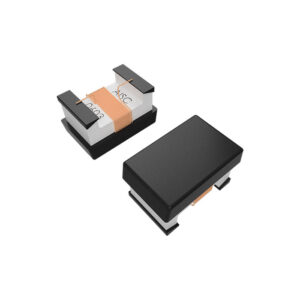 AISC-Q0603-24NG-TView Product
 LTF5022T-1R8N3R6-LCView Product
 NR6045T2R3NView Product1025-44HView ProductSML32S-122JView ProductGA30-824KView Product
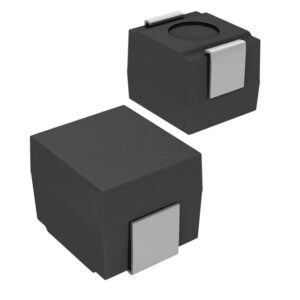 HF1008R-330JView Product
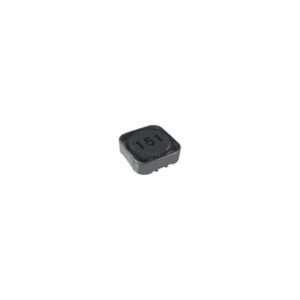 CTCDRH124F-470MView Product
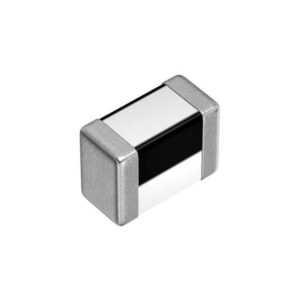 MHQ1005075HA5N6BTD25View ProductELJ-NJ56NJF2View Product
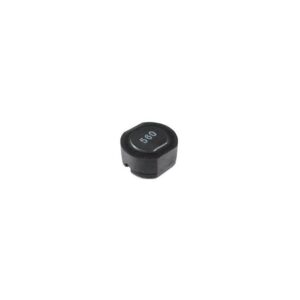 CTGSR105BF-221MView Product
 IHLP1008ABEZ2R2M5AView Product
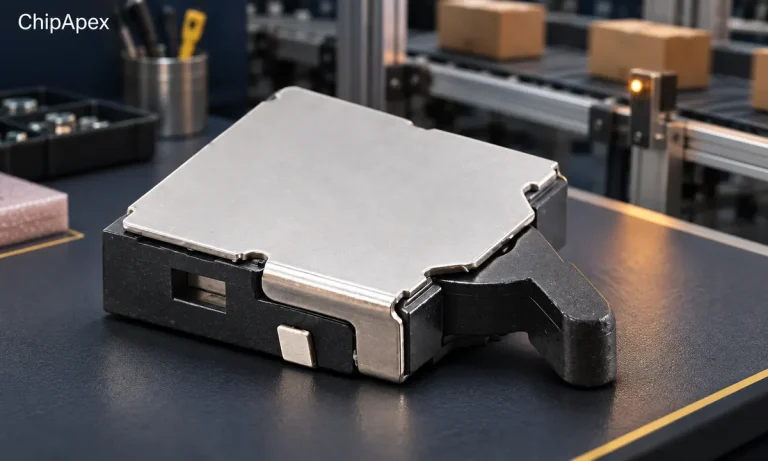
Choose a limit switch by actuator, travel, contact ratings and environment. Understand pretravel, overtravel and practical checks for machine integration.
Read More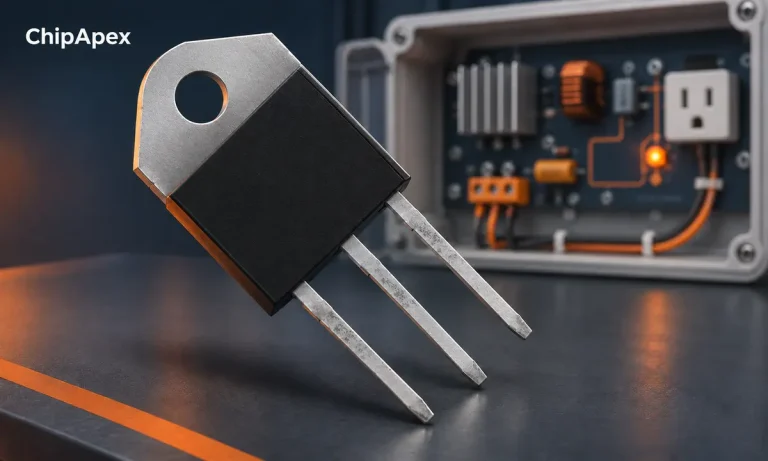
Learn how a TRIAC switches AC loads. Understand triggering, latching, holding current, phase control and thermal limits before choosing a component.
Read More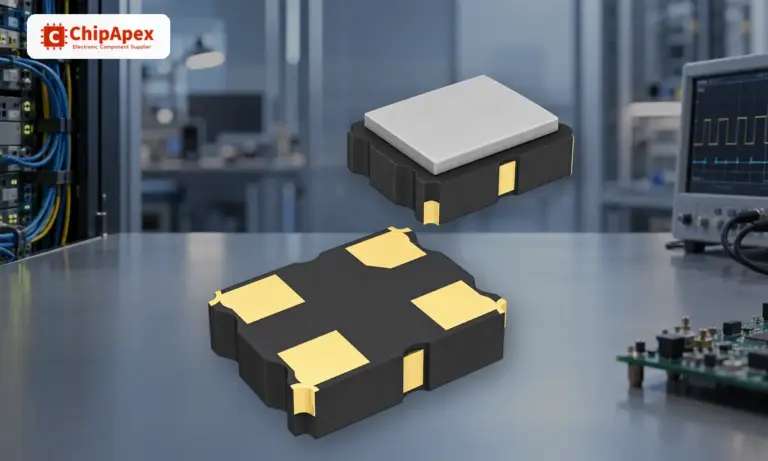
Understand how oscillators generate timing signals, how they differ from crystals, and which frequency, output and stability specs matter when choosing one.
Read More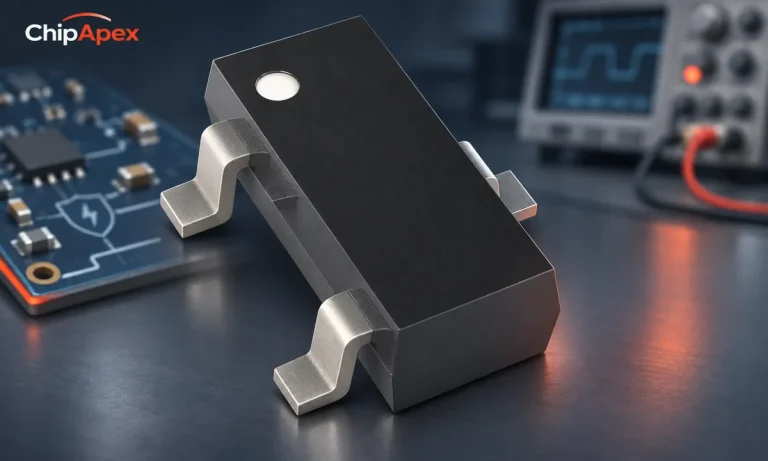
Learn how a Zener diode regulates voltage. Calculate resistor current and power, check tolerance and temperature, and distinguish Zener and TVS applications.
Read More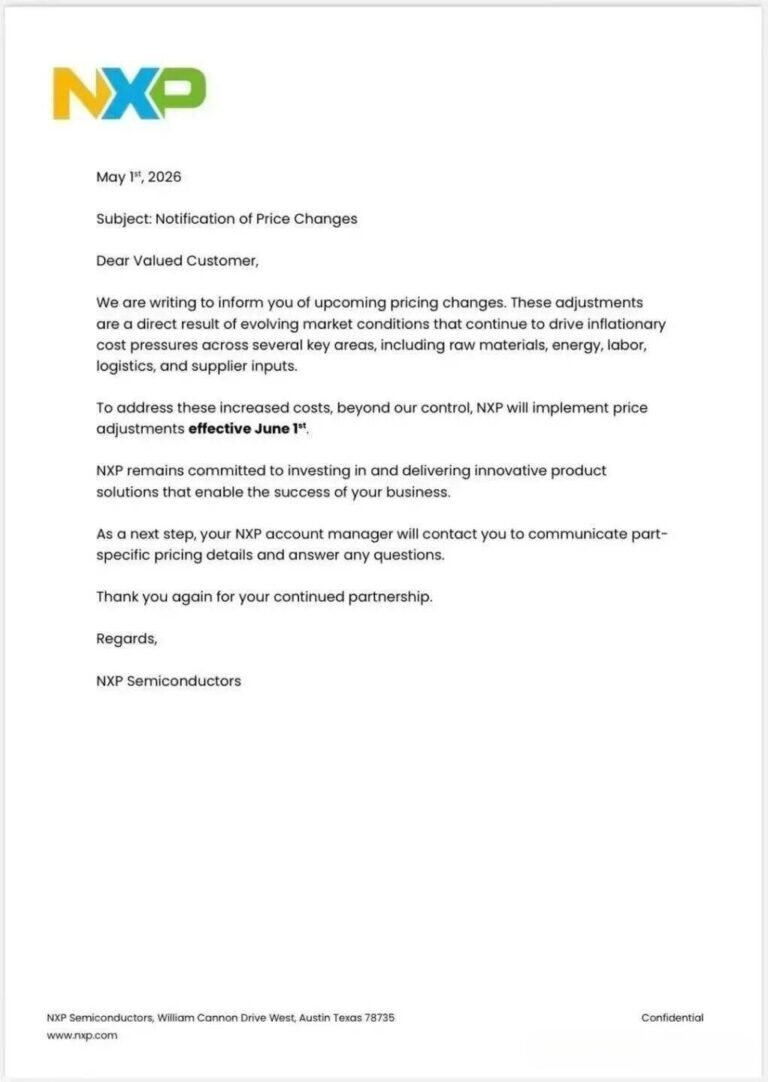
May 8, 2026 – Eindhoven, Netherlands NXP Semiconductors (NXPI), a global leader in automotive and industrial semiconductor solutions, has officially notified its worldwide channel…
Read More
Recently, global semiconductor manufacturers have been constantly making moves in aspects such as technological cooperation, product manufacturing processes, and market layout, demonstrating the rapid…
Read More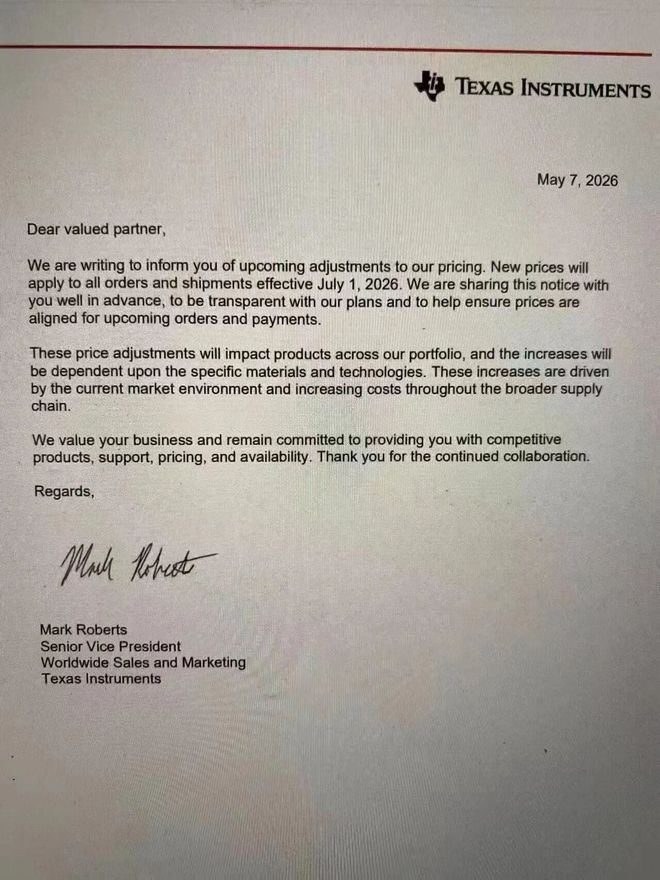
ChipApex – May 8, 2026 Texas Instruments (TI), the global leader in analog and embedded semiconductors, has officially notified customers of an upcoming company-wide…
Read More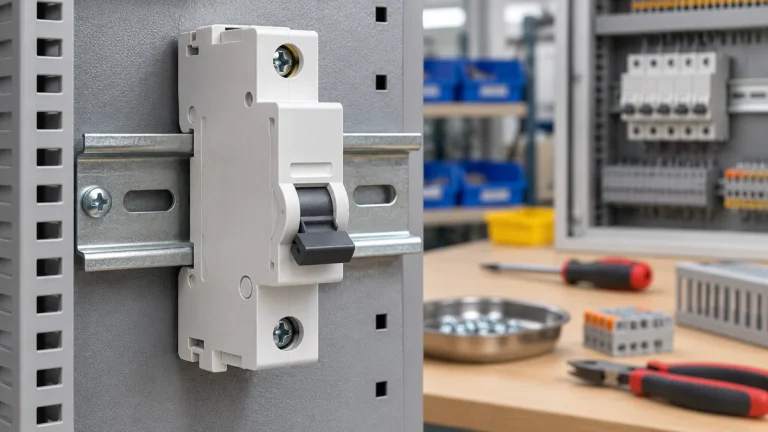
Choose a miniature circuit breaker for a control panel. Compare trip curves, startup duration, interrupting capacity and branch protection requirements.
Read More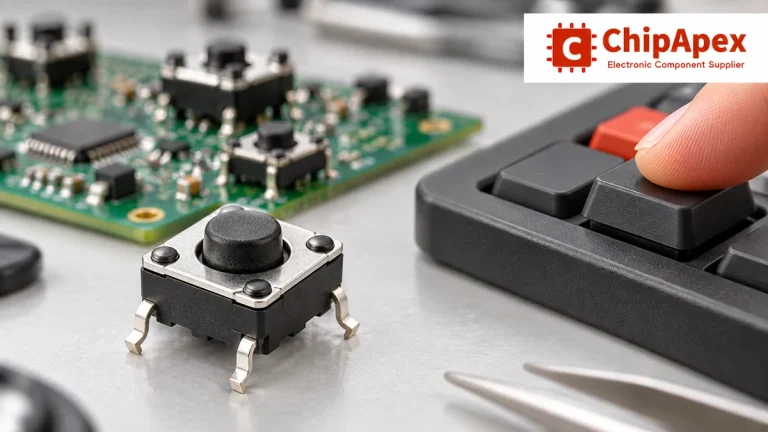
Understand tactile switches, PCB and keyboard differences, four-pin wiring, debounce, force, travel and replacement checks for reliable control inputs.
Read More
The rapid advancement of artificial intelligence (AI) is transforming industries across the globe, and the world of electronic components is no exception. From smarter…
Read More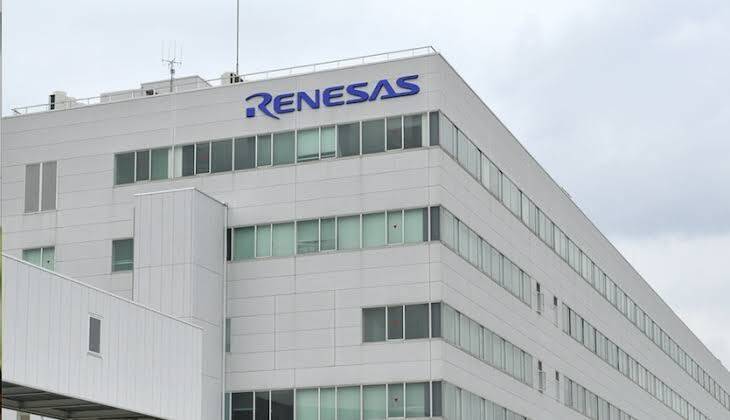
TOKYO, July 31, 2026 — Renesas Electronics Corporation has officially announced a major domestic manufacturing restructuring, confirming plans to gradually discontinue all wafer fabrication…
Read More
In the world of embedded electronics, getting a device to "think" is only half the battle. The other half is getting it to communicate…
Read More
The activity of extra discounts on wholesale prices is in full swing…
Please fill in your contact information and we will send you the latest wholesale price list.

