ChipApex | Global Electronic Components Supplier

SEARCH
Search Product
Search Post
— IC芯片 | 连接器 | 传感器 | 被动器件 —
Search productSearch post
— IC芯片 | 连接器 | 传感器 | 被动器件 —

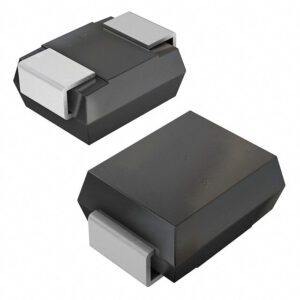
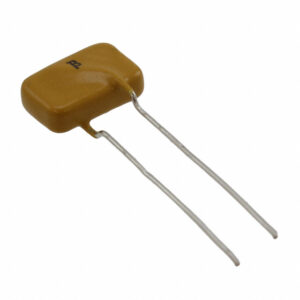
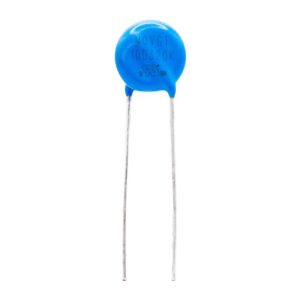
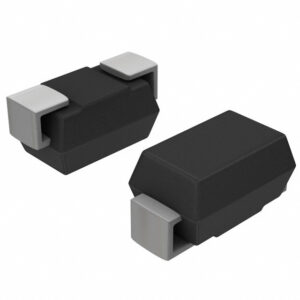
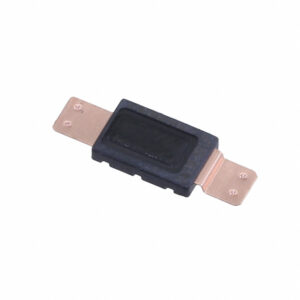
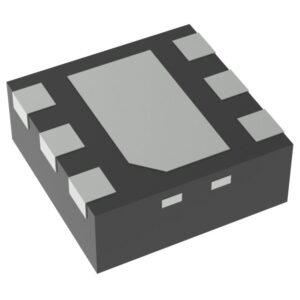
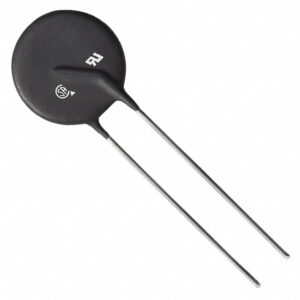
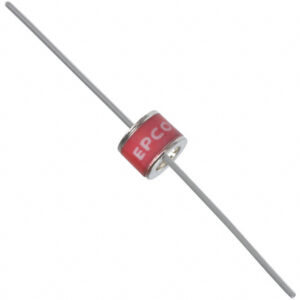
Circuit protection refers to the strategies and components used to shield electrical systems from damage caused by abnormal conditions like short circuits, overcurrent, overvoltage, or excessive temperature. A protected circuit is designed to safely disconnect or redirect dangerous electrical energy before it can harm devices, wiring, or users. Without appropriate protection, faults can cause equipment failure, fire hazards, or even electric shocks, especially in sensitive electronic and motor control applications. Two of the most widely used protection devices are fuses and circuit breakers. A fuse contains a metal wire that melts when the current exceeds a specific threshold, permanently breaking the circuit to prevent further damage. Fuses are simple and cost-effective, but must be replaced once blown. Circuit breakers, in contrast, are mechanical switches that detect overcurrent and trip open—disconnecting power without requiring replacement. These can be reset once the fault is cleared. Ground fault circuit interrupters (GFCIs) are a specialized type of breaker used to protect people from electric shock. They monitor current balance between the hot and neutral lines and trip instantly when leakage to ground is detected, often caused by damaged insulation or contact with water. In modern electronic systems, solid-state circuit protection devices are increasingly important. Components such as varistors—especially metal oxide varistors (MOVs)—and transient voltage suppressors (TVS) are designed to handle voltage spikes or transients caused by inductive loads, lightning strikes, or static discharge. These devices can absorb or redirect excess energy, protecting delicate semiconductors from failure. Other devices like thermal cutoffs (thermal fuses) disconnect circuits when operating temperatures rise too high, while gas discharge tubes (GDT) arresters protect against high-energy surges, especially in communication or low-voltage power lines.

Choose a DIP switch by contact type, coded positions, footprint and signal ratings. Check logic polarity, assembly conditions and PCB configuration behavior.
Read More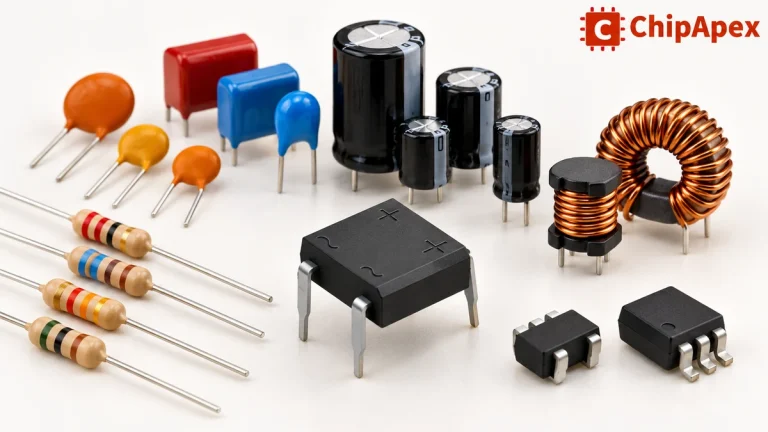
Explore electronic component types, functions, packages and datasheets. Learn selection, replacement and BOM checks before ordering parts for your PCB.
Read More
Understand how oscillators generate timing signals, how they differ from crystals, and which frequency, output and stability specs matter when choosing one.
Read More
PLANO, Texas – March 20, 2026 – Diodes Incorporated (Nasdaq: DIOD), a leading global manufacturer and supplier of high-quality application-specific standard products in the…
Read More
On October 1, 2025 local time, OpenAI, an artificial intelligence research company, announced the establishment of a cooperative relationship with Samsung Electronics and SK…
Read More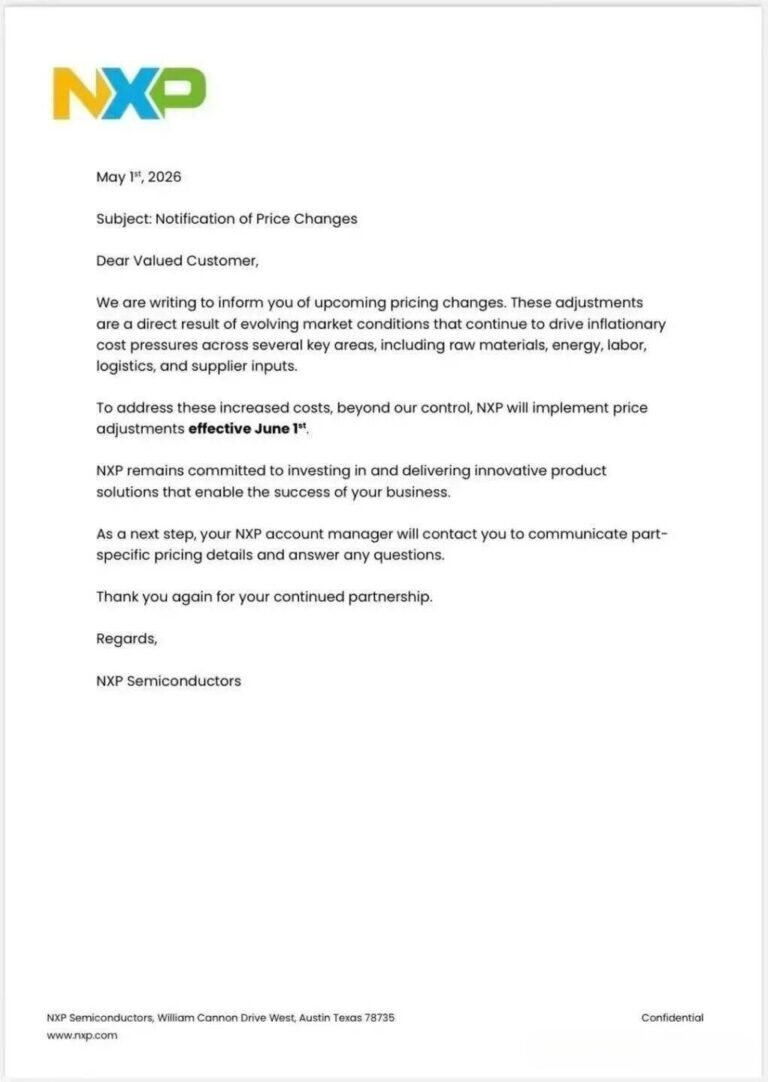
May 8, 2026 – Eindhoven, Netherlands NXP Semiconductors (NXPI), a global leader in automotive and industrial semiconductor solutions, has officially notified its worldwide channel…
Read More
Select a bridge rectifier by reverse voltage, capacitor charging current, startup surge and cooling. Work through a stated DC voltage and ripple example.
Read More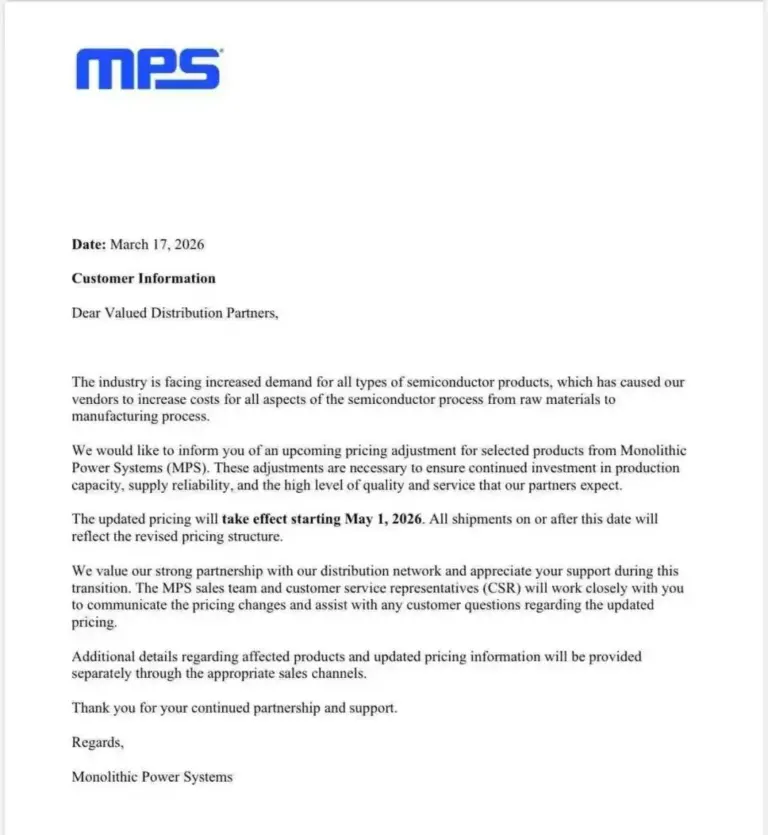
Monolithic Power Systems (MPS), a global leader in analog and mixed-signal semiconductors, has notified its distribution partners of an upcoming price increase for selected…
Read More
Learn how a pressure transducer converts pressure into voltage, current, or digital output, and compare pressure references and key selection specs.
Read More
Compare thermistors, RTDs, thermocouples and temperature ICs. Learn how range, accuracy, response, interfaces and mounting affect component selection.
Read More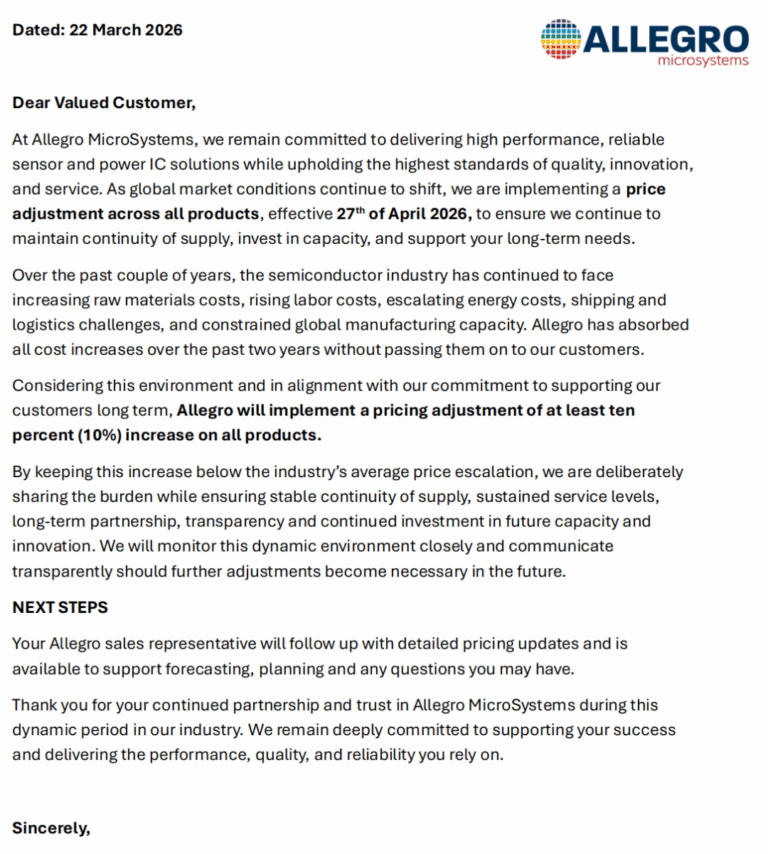
Manchester, New Hampshire, USA – March 22, 2026 – Allegro MicroSystems, Inc. (Nasdaq: ALGM), a global leader in high-performance power and sensing semiconductor solutions…
Read More
Choose logic inverter ICs by thresholds, supply, output drive and delay. Compare standard and Schmitt-trigger inputs, power sequencing and replacement checks.
Read More
The activity of extra discounts on wholesale prices is in full swing…
Please fill in your contact information and we will send you the latest wholesale price list.