 ChipApex | Global Electronic Components Supplier

SEARCH
Search Product
Search Post
Search productSearch post
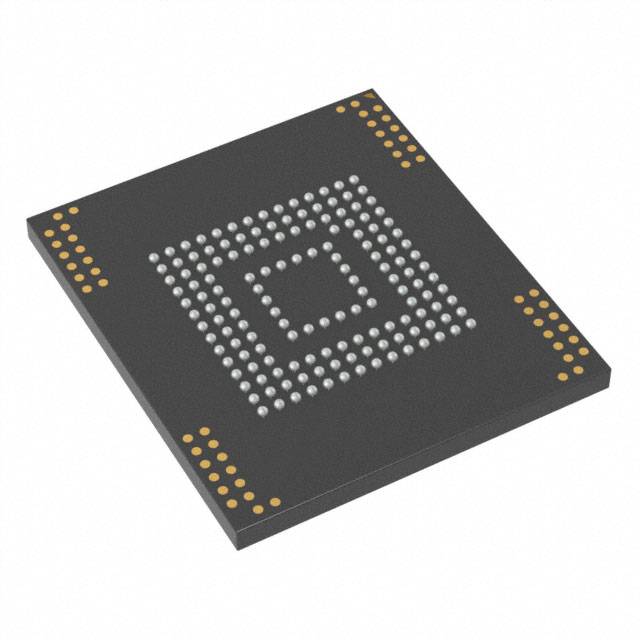
Memory is a semiconductor device that is used as data storage device on an integrated circuit. These devices are available in several formats CBRAM, DRAM, EEPROM, EERAM, EPROM, Flash, FRAM, NVSRAM, PCM (PRAM), PSRAM, RAM, and SRAM in either Non-Volatile or Volatile. These devices memory sizes range from 64 b to 6 Tb with the interface being I2C, MMC, Parallel, eMMC, Serial, Single Wire, SPI, UFS, Xccela Bus, and 1-Wire.
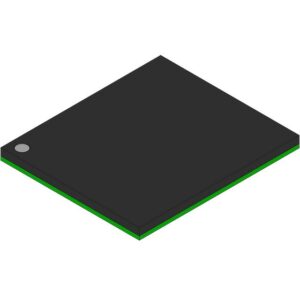 UPD44647366AF5-E25-FQ1View Product
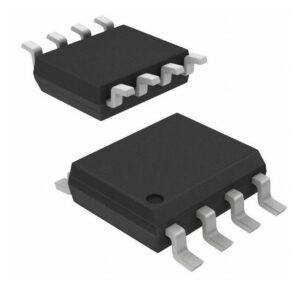 W25Q16DVSSJG TRView Product
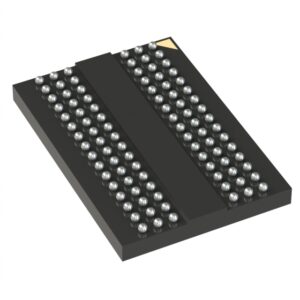 IS46TR16640AL-125JBLA1-TRView Product
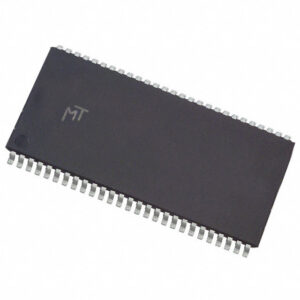 MT48LC16M8A2P-6A IT:L TRView Product
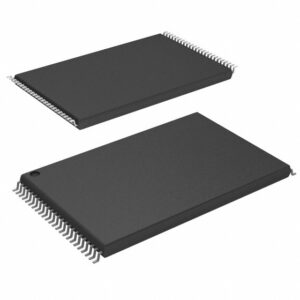 IS34ML01G084-TLI-TRView Product
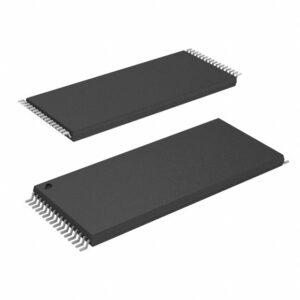 AT27C040-12TIView Product
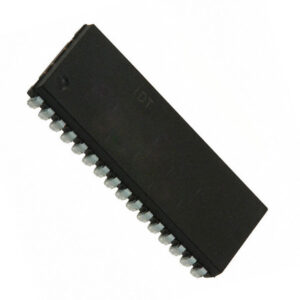 71024S15TYGI8View Product
 AT25080AN-SQ27DBView Product
 AS6C1616B-55BINTRView Product
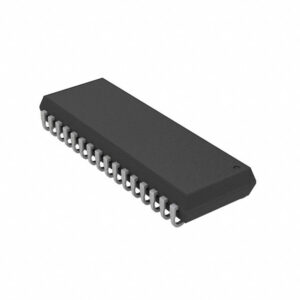 CY7C1049CV33-10VXATView Product
 M27C1001-15F1View Product
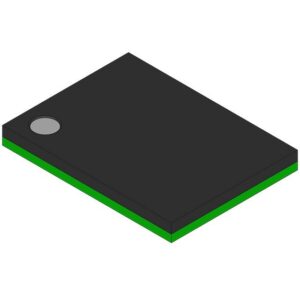 CY62127DV30LL-55BVIView Product
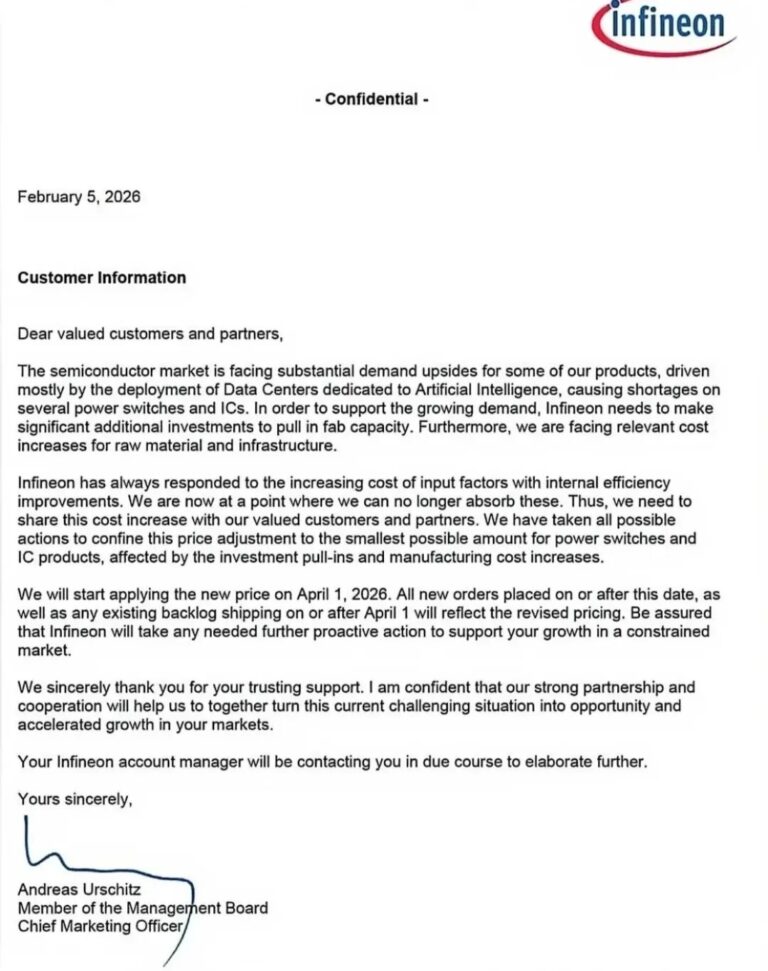
Munich, Germany – February 8, 2026 — Infineon Technologies, the German semiconductor giant, officially issued a price increase notice on February 5, announcing that…
Read More
CHICAGO, USA – May 27, 2026 – Global leading interconnect manufacturer Molex officially issued a global distributor price adjustment notice on May 27, confirming…
Read More
Learn how an analog front end conditions sensor signals. Compare gain, noise, filtering, ADC settling and integration options before selecting components.
Read More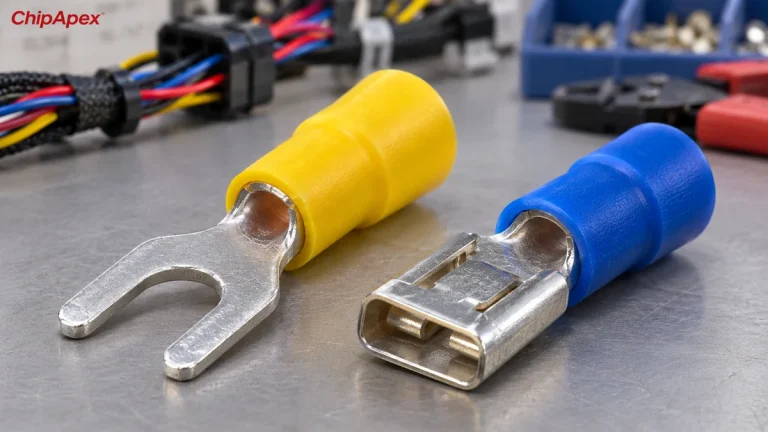
Identify fork terminals and flat-blade spade connectors. Match wire size, tab thickness, insulation and crimp tooling before selecting a replacement.
Read More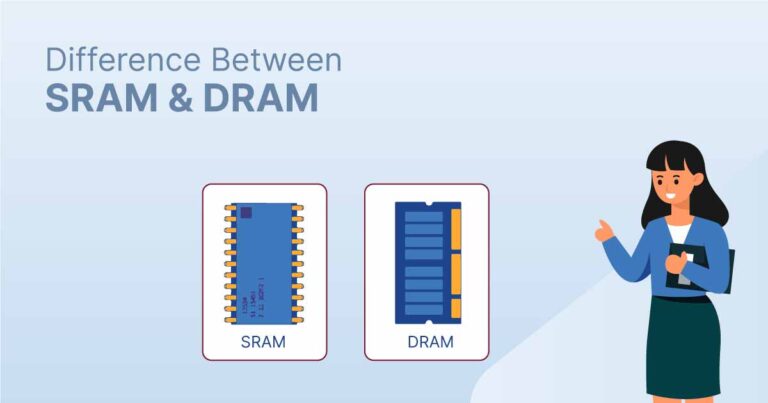
In an era dominated by AI accelerators with terabytes of HBM memory and consumer devices racing toward LPDDR5X bandwidth, it’s easy to wonder: why…
Read More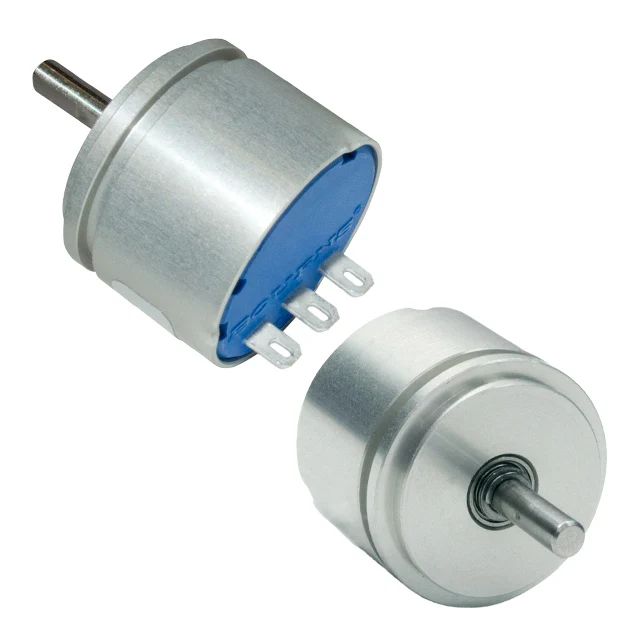
Learn how a TPS reports throttle angle to the ECU, compare potentiometer and magnetic sensors, and see what to verify before diagnosing or replacing…
Read More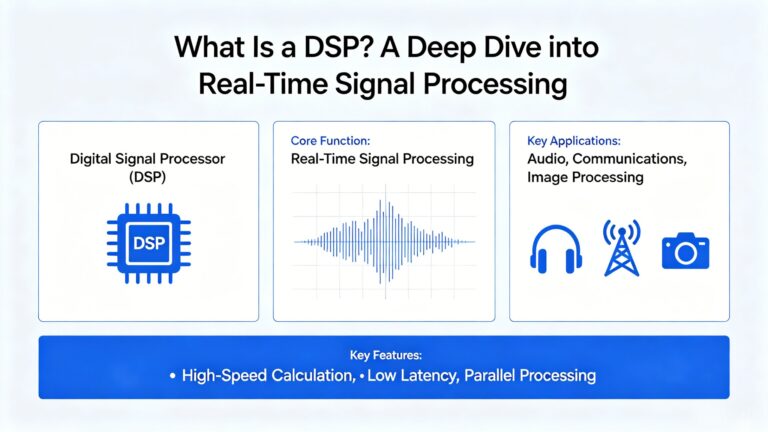
In the embedded world, general-purpose CPUs are great at running operating systems, and MCUs excel at logic control. But when you need to process…
Read More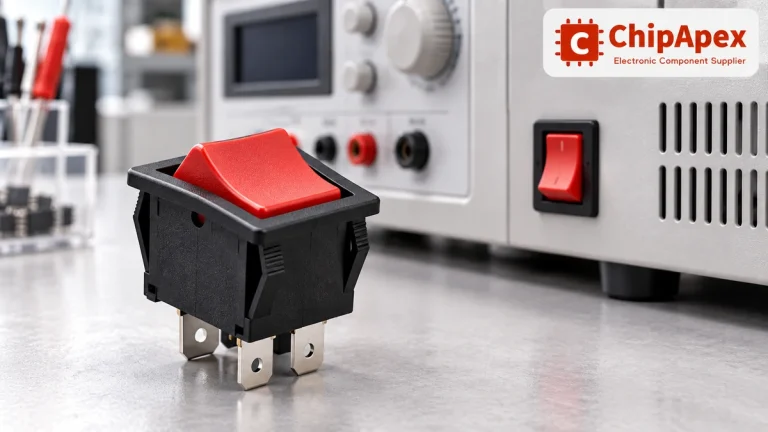
Choose a rocker switch by AC/DC ratings, contact arrangement, illumination, panel fit and sealing. Get practical checks for engineering and component sourcing.
Read More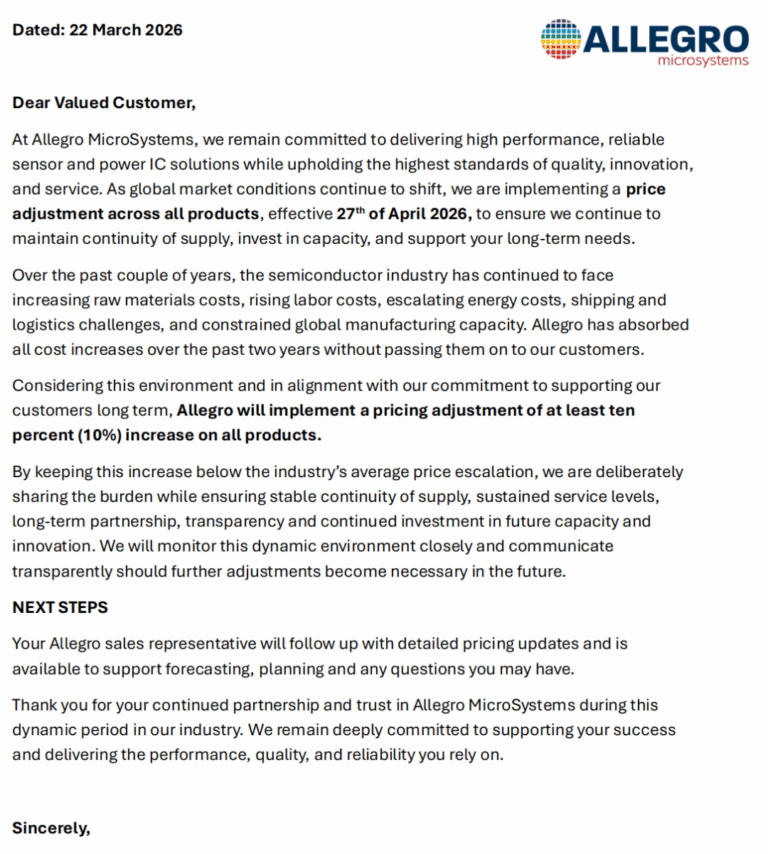
Manchester, New Hampshire, USA – March 22, 2026 – Allegro MicroSystems, Inc. (Nasdaq: ALGM), a global leader in high-performance power and sensing semiconductor solutions…
Read More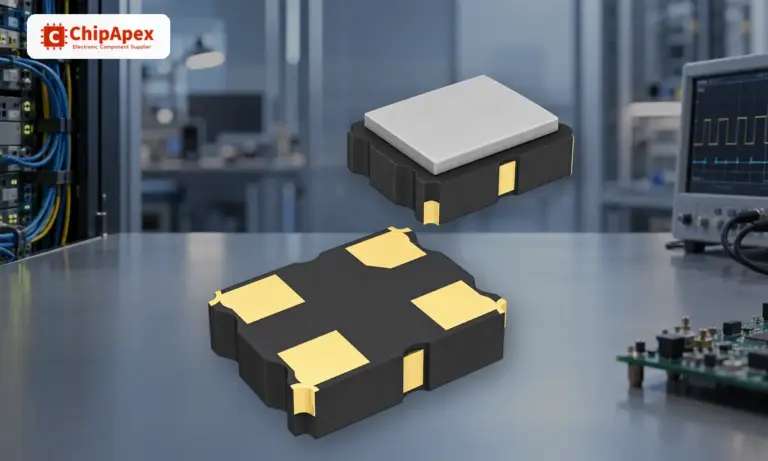
Understand how oscillators generate timing signals, how they differ from crystals, and which frequency, output and stability specs matter when choosing one.
Read More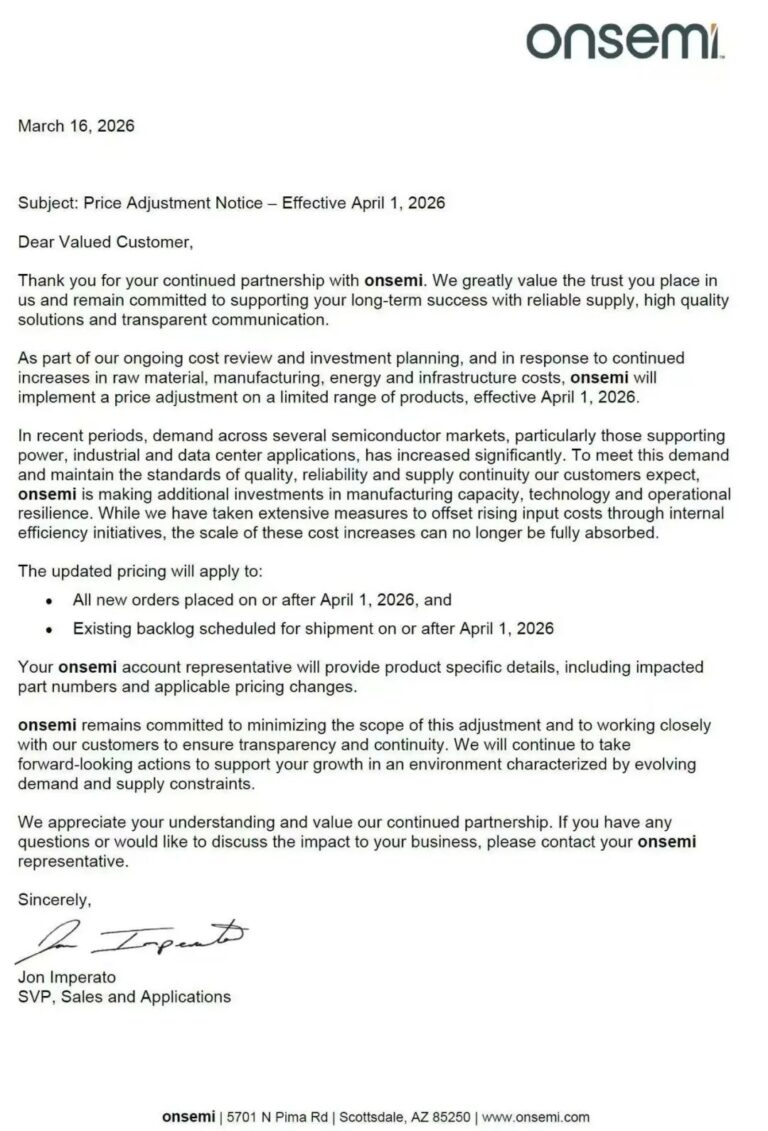
ON Semiconductor (onsemi), a global leader in intelligent power and sensing technologies, has announced plans to implement price adjustments for select product lines, effective…
Read More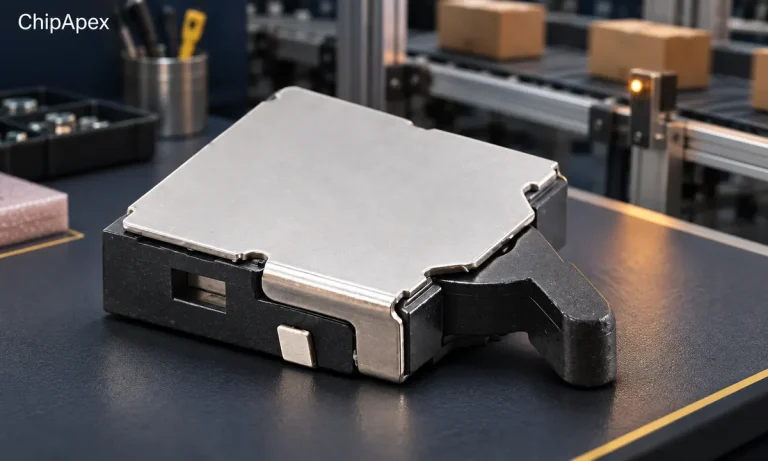
Choose a limit switch by actuator, travel, contact ratings and environment. Understand pretravel, overtravel and practical checks for machine integration.
Read More
The activity of extra discounts on wholesale prices is in full swing…
Please fill in your contact information and we will send you the latest wholesale price list.

